
In This Article
There’s something undeniably magnetic about sliding a sapphire tennis bracelet onto your wrist. The continuous strand of royal blue stones catches light from every angle, transforming a simple gesture into a statement of refined elegance. But here’s what most buyers don’t realize when they start shopping for blue sapphire tennis bracelets: not all sapphires deliver that mesmerizing depth of color, and the difference between a $200 piece and a $2,000 investment often comes down to factors the product listing won’t tell you.
In my years evaluating gemstone jewelry, I’ve noticed a shift in 2026. Buyers are becoming savvier about sapphire quality, asking questions about natural versus lab-created stones, understanding the significance of carat weight distribution, and recognizing that “blue sapphire” can range from pale cornflower to intense royal navy. This guide cuts through the marketing language to show you exactly what separates exceptional blue sapphire tennis bracelets from disappointing purchases.
Whether you’re searching for a meaningful september birthstone jewelry gift, an anniversary sapphire gift that speaks to decades of devotion, or simply want to understand what makes a royal blue gemstone bracelet worth the investment, you’ll find detailed analysis of seven standout pieces currently available. More importantly, I’ll share the practical insights about stone quality, setting durability, and real-world wearability that Amazon product pages simply can’t provide. The blue sapphire tennis bracelets market in 2026 offers unprecedented variety, from budget-friendly lab-created options starting around $100 to natural sapphire and diamond bracelets commanding prices in the thousands. Let’s find which one deserves a place in your jewelry collection.
Quick Comparison: Top Blue Sapphire Tennis Bracelets at a Glance
| Product | Metal Type | Total Carats | Stone Type | Price Range | Best For |
|---|---|---|---|---|---|
| Angara Natural Blue Sapphire | 14K Rose Gold | 6.9ct sapphire + 0.32ct diamond | Natural Grade-A | $1,800-$2,400 | Luxury gifting & special occasions |
| Ross-Simons 16ct Sterling | Sterling Silver | 16ct sapphire | Natural | $400-$600 | Maximum sparkle on budget |
| Gem Stone King Bolo | 18K Rose Gold Plated Silver | 2.68ct total | Created Sapphire | $100-$180 | Adjustable everyday wear |
| Pompeii 3ct White Gold | 14K White Gold | 3ct total | Natural sapphire & diamond | $800-$1,200 | Classic timeless elegance |
| Ross-Simons 7.9ct Round | Sterling Silver | 7.9ct sapphire | Natural | $180-$280 | Entry-level natural stones |
| Ross-Simons 9.1ct Oval | Sterling Silver | 9.1ct sapphire + diamonds | Natural | $200-$320 | Unique oval cut appeal |
| LMDPRAJAPATIS Silver | 925 Sterling Silver | 4.80ct sapphire | Natural | $120-$200 | Unisex versatile design |
Analysis: Looking at this comparison, the sweet spot for natural sapphire quality without breaking the bank sits with the Ross-Simons 16ct option, delivering impressive carat weight at roughly $35-40 per carat. However, if metal quality matters more than stone size, the Angara 14K rose gold piece justifies its premium through superior setting durability and certification. Budget shoppers should note that the Gem Stone King created sapphire sacrifices natural stone authenticity for its low price point, but delivers excellent color saturation that visually rivals natural stones in casual settings.
💬 Just one click — help others make better buying decisions too! 😊
Top 7 Blue Sapphire Tennis Bracelets: Expert Analysis & Reviews
1. Angara Natural 6.9 Ct Blue Sapphire and Diamond Tennis Bracelet — The Luxury Standard
This piece represents what happens when serious craftsmanship meets premium materials. The Angara Natural Blue Sapphire bracelet features 6.9 carats of Grade-A natural blue sapphires interspersed with 0.32 carats of genuine diamonds, all set in 14K rose gold. The 5x3mm stones maintain consistent sizing throughout the 7-inch length, creating that continuous river of color tennis bracelets are famous for.
What the listing doesn’t emphasize is the practical implication of using 14K rose gold instead of sterling silver or plated alternatives. Rose gold at this karat level contains roughly 58% pure gold alloyed with copper and silver, meaning the metal won’t tarnish, won’t turn your skin green after a sweaty workout, and can withstand the daily bumps that silver simply cannot handle without showing wear. For a piece you’ll actually wear regularly rather than save for special occasions only, this matters enormously.
The Grade-A sapphire designation indicates stones with minimal inclusions visible to the naked eye, strong color saturation, and natural origin confirmed through Angara’s certification process. In practical terms, you’re looking at sapphires that maintain their brilliant blue even in dim restaurant lighting, not just under jewelry store spotlights. Customer feedback consistently mentions the surprising weight of this bracelet—at 6.9 carats of sapphire plus diamonds and solid gold, this isn’t a delicate whisper of jewelry but a substantial presence on the wrist.
Pros:
- 14K rose gold withstands daily wear without tarnishing or damage
- Grade-A natural sapphires maintain color in all lighting conditions
- Certificate of Authenticity provides resale value documentation
Cons:
- Premium pricing puts it beyond casual purchase consideration
- Rose gold tone doesn’t suit everyone’s skin undertone preferences
Target buyer: This bracelet makes sense for someone marking a significant milestone who wants an heirloom-quality piece that can transition from boardroom to ballroom. Typically in the $1,800-$2,400 range depending on current market conditions, it’s an investment in genuine materials and lasting construction.
2. Ross-Simons 16.00 ct. t.w. Sapphire Tennis Bracelet — Maximum Impact Per Dollar
Sterling silver gets a bad reputation in fine jewelry circles, but Ross-Simons 16ct Sapphire Tennis Bracelet demonstrates exactly when this metal choice makes strategic sense. This piece packs 16 total carats of oval natural sapphires into a 7-inch sterling silver setting, creating visual impact that rivals pieces costing three times its price range of around $400-$600.
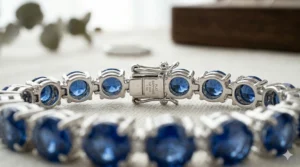
Here’s the reality check most listings won’t provide: those 16 carats translate to larger individual stones than you’ll find on most tennis bracelets in this price category. Oval cuts in sapphires create approximately 10-15% more surface area than round cuts of equivalent weight, meaning each stone appears notably bigger to the eye. The double-latch safety clasp addresses the primary failure point of tennis bracelets—accidental opening—with a backup mechanism that provides genuine peace of mind during active wear.
Ross-Simons sources these sapphires from established suppliers focusing on quantity and color consistency rather than museum-grade perfection. What this means in practice: expect some visible inclusions under close inspection, but strong blue color that photographs beautifully and satisfies the “wow, what’s that?” question from admirers. Multiple buyers mention this bracelet exceeding expectations for the price, specifically noting the depth of blue rather than washed-out pale stones common in budget options.
Pros:
- 16 total carats deliver maximum visual impact at this price point
- Oval cut creates larger-looking stones than round alternatives
- Double-latch clasp system prevents the dreaded “lost bracelet” scenario
Cons:
- Sterling silver requires occasional polishing to prevent tarnish
- Some inclusions visible under magnification may bother perfectionists
Target buyer: Perfect for someone who wants natural sapphire authenticity and serious sparkle without mortgage-level investment. This works beautifully for special events where you want memorable jewelry without the anxiety of wearing your most expensive pieces.
3. Gem Stone King 2.68 Ct Blue Created Sapphire Tennis Bracelet — Smart Lab-Created Option
The Gem Stone King Bolo bracelet represents the growing acceptance of lab-created gemstones in fine jewelry. This adjustable piece features created blue sapphires totaling 2.68 carats in an 18K rose gold plated silver setting, with the signature bolo mechanism allowing custom fit up to 9 inches.
Let me address the elephant in the room: “created sapphire” means laboratory-grown stones with identical chemical composition to natural sapphires but without the geological formation timeline. The Gemological Institute of America confirms these stones share the same hardness (9 on Mohs scale), refractive index, and crystal structure as earth-mined sapphires. What changes is the price—lab-created sapphires typically cost 50-70% less than natural equivalents of similar quality.
The adjustable bolo design solves a practical problem tennis bracelets have struggled with for decades: one-size-fits-all doesn’t actually fit all. Instead of hoping a 7-inch bracelet works for your 6.5-inch wrist or dealing with expensive resizing, you slide the clasp to your exact measurement. This makes the piece particularly suitable for gifting when you can’t discreetly measure someone’s wrist beforehand. Customer reviews highlight the surprising quality of the rose gold plating, noting it maintains its warm tone through months of regular wear.
Pros:
- Lab-created stones deliver brilliant blue color at fraction of natural sapphire cost
- Adjustable bolo mechanism fits wrists from 6 to 9 inches perfectly
- Rose gold plating over silver provides warm tone without solid gold pricing
Cons:
- Plating will eventually wear through with aggressive daily use
- Resale value significantly lower than natural sapphire equivalent
Target buyer: Ideal for someone prioritizing aesthetics over provenance, or testing whether they’ll actually wear a tennis bracelet before investing in natural stones. In the $100-$180 range, this represents an accessible entry point to the sapphire and diamond bracelets style.
4. Pompeii 3ct Blue Sapphire & Diamond Genuine Tennis Bracelet — Classic White Gold Elegance
White gold and blue sapphire create one of jewelry’s most enduring color combinations, and the Pompeii 3ct Sapphire Bracelet executes this pairing with thoughtful design. This piece alternates blue sapphires with white diamonds throughout its 7-inch length, set in 14K white gold with a double-locking clasp for security.
The 3 carat total weight splits between sapphires and diamonds, creating that classic checkerboard pattern of blue and white stones that’s been popular since tennis bracelets exploded in popularity following Chris Evert’s famous 1987 incident. What makes this specific design work particularly well is the prong setting that allows maximum light penetration—each stone is held by small metal claws rather than a bezel that would block light from the sides.
Pompeii’s 50+ years in the gemstone business shows in details like the double-locking clasp construction. Cheaper tennis bracelets use clasps that can pop open with a firm tug, while this mechanism requires deliberate action to release. The 14K white gold resists the yellowing that plated white metals develop over time, though it’s worth knowing that white gold is actually yellow gold alloyed with palladium or nickel, then rhodium-plated for that bright white appearance. Eventually, that rhodium plating wears thin and requires professional re-plating to restore the original brilliance—plan for this maintenance every 2-3 years with regular wear.
Pros:
- Alternating sapphire and diamond pattern creates classic versatile aesthetic
- 14K white gold provides lasting durability compared to plated alternatives
- Prong setting maximizes light reflection for enhanced sparkle
Cons:
- Rhodium plating on white gold requires periodic professional renewal
- Lower total carat weight means smaller individual stones than sapphire-only designs
Target buyer: This bracelet suits someone who values traditional elegance and wants the versatility of a piece that transitions seamlessly from office presentations to evening events. Typically around $800-$1,200, it occupies that middle tier where you’re paying for genuine materials and professional craftsmanship without reaching luxury brand premiums.
5. Ross-Simons 7.90 ct. t.w. Sapphire Tennis Bracelet — Entry-Level Natural Stones
For buyers specifically seeking natural sapphires at an accessible price point, the Ross-Simons 7.9ct Round bracelet delivers surprising value. This sterling silver piece features 7.9 total carats of round natural blue sapphires in prong settings, with a push-button clasp providing streamlined security.
The round brilliant cut represents the standard for tennis bracelets because it maximizes light return compared to fancy cuts like oval or emerald. Each facet is positioned to catch and reflect light, creating that signature tennis bracelet sparkle from every viewing angle. At 7.9 carats distributed across a 7.25-inch length, you’re looking at approximately 35-40 individual stones, each around 0.20 carats—small enough to maintain flexibility but large enough to register as distinct gems rather than gem dust.
What buyers should understand about this price category (typically $180-$280) is the trade-off between quantity and perfection. Ross-Simons sources natural sapphires that prioritize color consistency over flawless clarity. In practical terms, you might spot inclusions if you examine stones individually under bright light, but the overall effect when wearing the bracelet reads as a cohesive line of blue rather than a collection of flawed stones. Multiple customers note this bracelet punching above its weight class in terms of perceived value, with the natural stone authenticity mattering more than technical perfection for their purposes.
Pros:
- Natural sapphire authenticity at price point where many competitors use synthetics
- Round brilliant cut maximizes light performance across all viewing angles
- Figure-8 safety mechanism prevents accidental opening
Cons:
- Sterling silver setting requires regular polishing maintenance
- Inclusions visible under magnification though minimal impact on overall appearance
Target buyer: Perfect for someone who specifically wants natural sapphires but operates on a realistic budget, or anyone building a collection where this piece fills the everyday-wear slot while pricier items stay in the safe. This represents that sweet spot where natural materials meet accessible pricing.
6. Ross-Simons 9.10 ct. t.w. Sapphire Bracelet With Diamonds — Oval Cut Appeal
Oval cuts in colored gemstones create a distinctly different aesthetic from rounds, and the Ross-Simons 9.1ct Oval bracelet showcases why this shape has gained popularity in recent years. This sterling silver piece features 9.1 carats of oval sapphires accented with small diamonds, creating a more contemporary look than traditional round-stone designs.
The elongated shape of oval cuts creates an optical illusion that makes stones appear approximately 10% larger than round cuts of equivalent carat weight. For tennis bracelets where visual impact matters enormously, this translates to more presence on the wrist without proportionally higher cost. The diamond accents between sapphires add textural interest and light reflection points that enhance the overall sparkle factor, though they represent a small fraction of the total stone weight.
What’s particularly interesting about this design is how the oval orientation affects bracelet movement. Ovals set with their long axis parallel to the bracelet length create fluid draping around the wrist, while perpendicular orientation would create a stiffer, more structured feel. Ross-Simons chose the parallel approach, resulting in comfortable flexibility that adapts to wrist movement rather than fighting it. Customer feedback frequently mentions the surprising comfort of this piece during all-day wear, crediting the oval shape with eliminating the pressure points round stones can create.
Pros:
- Oval cut creates larger visual appearance than round stones of same weight
- Diamond accents add texture and light without significant cost premium
- Comfortable flexibility due to thoughtful oval orientation
Cons:
- Oval cuts can show color zoning more obviously than rounds
- Less traditional aesthetic may not appeal to classical taste preferences
Target buyer: This works beautifully for someone wanting something distinctive without venturing into avant-garde territory. In the $200-$320 range, it offers an accessible path to colored stone luxury jewelry with a contemporary edge.
7. LMDPRAJAPATIS Blue Sapphire Tennis Silver Bracelet — Unisex Versatility
The LMDPRAJAPATIS Silver Bracelet takes a different approach to the tennis bracelet formula, featuring larger 8x10mm stones totaling 4.80 carats in a 7-inch sterling silver setting designed for both men and women.
The 8x10mm stone size represents a significant departure from the typical 3-5mm stones found on most tennis bracelets. Larger stones mean fewer stones overall—this bracelet features approximately 12-15 individual sapphires rather than the 30-40 you’d see on designs with smaller gems. This creates a bolder, more substantial aesthetic that reads less delicate and more architectural. For men who’ve wanted tennis bracelets but found traditional designs too feminine, or women who prefer statement jewelry, this sizing makes sense.
LMDPRAJAPATIS, as a family-run gemstone business, emphasizes their sustainable sourcing and direct handling of stones from cutting through setting. While this doesn’t guarantee superior quality at this price point (around $120-$200), it does suggest shorter supply chains potentially translate to better value. Customer reviews split between those who love the larger stone size and those who find it overwhelming, which makes sense—this piece makes a deliberate statement rather than offering subtle elegance.
Pros:
- Larger 8x10mm stones create bold unisex appeal
- September birthstone appropriate sizing for those preferring substantial jewelry
- Sterling silver allows accessible pricing despite impressive stone size
Cons:
- Bolder aesthetic doesn’t suit those preferring delicate jewelry
- Fewer stones overall means less coverage and some gaps between gems
Target buyer: Perfect for someone seeking sapphire tennis bracelet style with more presence, whether that’s a man exploring colored gemstone jewelry or a woman who gravitates toward statement pieces. This represents the precious gemstone bracelets category at its most accessible and bold.
How to Actually Use Your Blue Sapphire Tennis Bracelet: Beyond Special Occasions
Most people buy tennis bracelets with grand intentions of regular wear, then find them sitting in jewelry boxes reserved for “special occasions” that never quite materialize. Here’s how to actually integrate a sapphire tennis bracelet into real life:
For Professional Settings
The secret to office-appropriate sapphire jewelry is pairing it with minimal additional accessories. A tennis bracelet becomes your single statement piece—skip the cocktail ring, drop the chandelier earrings, and let the sapphires do the talking. The continuous line of stones adds polish to business casual without crossing into “trying too hard” territory.
Stacking Strategy
If you own multiple tennis bracelets or want to layer yours with other pieces, follow the “Rule of Three Maximum” to avoid crossing from elegant into excessive. Combine your sapphire bracelet with a simple gold chain bracelet and perhaps a delicate bangle—three pieces total. More than that starts competing for attention rather than complementing.
Maintenance Integration
Here’s what jewelry stores won’t tell you: tennis bracelets need monthly attention, not annual cleaning. Once a month, soak your bracelet in warm water with a drop of dish soap for 15 minutes, then use a soft toothbrush on the underside where skin oils accumulate. This 5-minute routine maintains sparkle and prevents buildup that dulls stones over time.
Travel Wisdom
Never pack your tennis bracelet in checked luggage, obviously. But also avoid wearing it during airport security—remove it beforehand and place it in your carry-on personal item, not the bin that goes through the scanner. Those bins are where most jewelry losses occur. When you reach your destination, store the bracelet in a hard case rather than a soft pouch that allows metal-on-metal contact with other jewelry.
Matching Your Lifestyle to the Right Sapphire Tennis Bracelet
The biggest mistake buyers make is choosing sapphire tennis bracelets based purely on appearance without considering actual wear patterns. Here’s how to match bracelet characteristics to your real life:
The Active Lifestyle Scenario
If your day includes gym sessions, yoga classes, or hands-on work, you need created sapphires in a lower-cost setting. Why? Because insurance deductibles on fine jewelry typically start at $500-$1,000, meaning a $300 bracelet that gets damaged during your morning workout won’t meet the threshold for coverage. The Gem Stone King created sapphire option makes sense here—you get the aesthetic without anxiety.
The Professional Polish Profile
For someone whose jewelry serves as part of professional presentation—lawyers, executives, consultants who meet clients regularly—invest in one exceptional piece rather than several mediocre ones. The Angara 14K rose gold bracelet or Pompeii white gold option communicates refined taste and attention to detail that clients notice subconsciously. This isn’t about showing off; it’s about the psychological impact of well-chosen accessories in professional contexts.
The Special Events Specialist
If your sapphire bracelet will primarily appear at weddings, galas, and milestone celebrations, maximize visual impact through carat weight over metal quality. The Ross-Simons 16ct sterling silver bracelet delivers maximum sparkle at events where you’ll be photographed, then returns to the jewelry box until the next occasion. Sterling silver’s tendency to tarnish matters less when you’re wearing the piece monthly rather than daily.
What Jewelers Don’t Tell You: The Real Cost of Sapphire Tennis Bracelets
Let’s address the financial aspects most buyers discover only after purchase:
The Hidden Ownership Costs
Professional cleaning every 6-12 months typically costs $30-$50 per session. For sterling silver pieces, budget for re-plating rhodium on white gold every 2-3 years at $75-$150. Insurance specifically covering jewelry (your homeowner’s policy likely caps valuable items at $1,500-$2,500) adds approximately $10-$15 per $1,000 of appraised value annually. For a $2,000 bracelet, you’re looking at $200+ in ownership costs over five years.
The Resale Reality
Natural sapphire tennis bracelets from recognized brands like Ross-Simons or Angara typically resell at 40-60% of original retail price in excellent condition through private sales or consignment. Lab-created sapphire pieces have minimal resale value—expect 10-25% of original cost maximum. Sterling silver pieces lose additional value due to metal content worth only a few dollars.
The Insurance Consideration
Most homeowner’s or renter’s insurance policies include jewelry coverage capped at $1,500-$2,500 total for all pieces combined. If your sapphire bracelet exceeds this threshold or you own other valuable jewelry, you need a “jewelry floater” or “scheduled personal property” addition to your policy. This typically costs $10-$15 per $1,000 of appraised value annually, with no deductible.
Blue Sapphire vs. Alternative Gemstone Tennis Bracelets: What Changes
Understanding how sapphires compare to other popular tennis bracelet gemstones helps clarify whether blue sapphire tennis bracelets actually suit your priorities:
Sapphire vs. Diamond Performance
Diamonds win on hardness (10 vs. 9 on Mohs scale) and brilliance, but sapphires deliver color that diamonds obviously cannot match. For someone seeking visual impact through color rather than pure sparkle, sapphires provide more personality. Price-wise, you’ll get approximately 3-4 times the carat weight in quality sapphires versus diamonds at equivalent budget levels.
Sapphire vs. Emerald Durability
While emeralds offer stunning green color, their 7.5-8 Mohs hardness makes them significantly more vulnerable to chips and scratches than sapphire’s 9 rating. For tennis bracelets specifically, where stones face regular impact from desk edges, doorframes, and general wear, sapphire’s superior hardness provides meaningful long-term durability advantages.
Sapphire vs. Ruby Investment
Rubies are simply red sapphires—they’re the same mineral (corundum) with different trace elements creating red versus blue color. Fine rubies typically command higher prices per carat than comparable blue sapphires, with premium-grade rubies reaching $10,000-$15,000 per carat versus $1,000-$5,000 for top blue sapphires. For tennis bracelets where you need multiple stones, sapphires deliver better value.
Decoding Sapphire Quality: What Those Listings Actually Mean
The terminology in precious gemstone bracelets listings can confuse even experienced jewelry buyers. Here’s what the common descriptors actually indicate:
“Natural” vs. “Created” Decoded
Natural sapphires formed underground over millions of years through geological processes. Created (or lab-grown or synthetic) sapphires are grown in laboratories over weeks or months using one of several methods that produce chemically identical stones. Both are “real sapphire”—corundum (Al₂O₃) with trace elements creating blue color. The difference is origin and price, not composition.
Carat Weight Distribution Matters
A bracelet listing “7ct total sapphire” could mean 70 stones at 0.1ct each, or 20 stones at 0.35ct each. Larger individual stones typically indicate higher quality and cost more per carat, but smaller stones create more continuous coverage. Look for actual stone measurements (like 5x3mm) rather than relying on total carat weight alone.
“AA” “AAA” “Grade-A” Clarity Ratings
These grade designations are marketing terms, not standardized industry ratings like diamond clarity grades. Generally, “AAA” or “Grade-A” indicates minimal eye-visible inclusions and strong color saturation, but each seller defines their grading scale differently. Independent certification from GIA (Gemological Institute of America) provides actual objective assessment.
Heat Treatment Disclosure
Approximately 95% of blue sapphires available commercially have been heat-treated to improve color and clarity. This is considered standard practice and permanent—heat treatment doesn’t “wear off” or degrade over time. Untreated natural sapphires command significant premiums but don’t offer meaningfully better appearance to most buyers. If a listing doesn’t mention treatment status, assume heat treatment has occurred.
Common Mistakes When Buying Blue Sapphire Tennis Bracelets (And How to Avoid Them)
After reviewing hundreds of customer experiences and consulting with gemologists, these errors appear repeatedly:
Mistake #1: Prioritizing Total Carats Over Individual Stone Quality
A 16ct bracelet of pale, included sapphires will disappoint compared to a 5ct bracelet of vivid, clean stones. Total carat weight serves as a rough guideline, but color saturation and clarity impact appearance far more dramatically. Always examine close-up photos of individual stones when available, not just the full bracelet glamour shots.
Mistake #2: Ignoring Clasp Construction
The weakest link in any tennis bracelet is literally the clasp. Box clasps with safety latches or double-locking mechanisms cost manufacturers $5-$10 more than basic lobster clasps, but prevent the heartbreak of losing a bracelet mid-day. If a listing doesn’t specify clasp type, assume it’s the cheapest option.
Mistake #3: Assuming All Sterling Silver Performs Equally
Sterling silver quality varies based on alloy composition and finishing processes. Higher-quality sterling undergoes rhodium plating for tarnish resistance, while budget pieces skip this step and oxidize quickly. Look for mentions of “polished sterling” or “rhodium finish” indicating additional protective measures.
Mistake #4: Overlooking Bracelet Length Implications
Most tennis bracelets come in 7-inch or 7.25-inch lengths, suitable for average wrists (6-6.5 inches). If your wrist measures below 6 inches or above 7 inches, standard lengths will fit poorly—too loose or too tight. Adjustable bolo designs or custom sizing (usually available on higher-end pieces) matter more than buyers realize.
Mistake #5: Buying Sapphire Color Sight-Unseen
“Royal blue” “cornflower blue” “navy blue” describe subjective color ranges that vary by lighting and photographer. The same sapphire can photograph dramatically different under daylight versus incandescent light versus flash photography. If possible, order from sellers with free returns to evaluate color in your actual wearing environment.
The Truth About Sapphire Treatments and What They Mean for You
According to the Gemological Institute of America, virtually all commercially available blue sapphires undergo enhancement treatments. Understanding these processes helps set realistic expectations:
Heat Treatment: Industry Standard
Heat treatment involves heating sapphires to 800-1,800°C to improve color and clarity. This process is permanent, stable, and doesn’t require special care. The GIA estimates 95% of blue sapphires have been heat-treated. This treatment is accepted industry-wide and doesn’t significantly affect value compared to untreated stones of similar appearance.
Beryllium Diffusion: Proceed with Caution
This treatment diffuses beryllium into the stone’s surface layer to improve color. While permanent, it affects only the surface—if the stone is recut or damaged, the treatment reveals itself through color concentration at certain areas. Many major retailers refuse to sell beryllium-treated sapphires due to disclosure complications.
Glass Filling: Avoid Entirely
Some low-quality sapphires with significant fractures undergo glass filling to improve apparent clarity. This treatment requires careful handling (ultrasonic cleaners can damage it) and may deteriorate over time. Quality sellers disclose this treatment prominently; if a budget bracelet has suspiciously high clarity, question whether glass filling is involved.
Caring for Your Sapphire Tennis Bracelet: The 30-Day Maintenance Cycle
Professional jewelers recommend this maintenance routine for anniversary sapphire gifts and daily-wear pieces:
Weekly Quick Clean (5 minutes)
Rinse bracelet under warm running water while gently brushing the underside with a soft toothbrush. This removes body oils and cosmetic residue that dull stones. Pat dry with lint-free cloth. Do this weekly if you wear the piece 3+ times per week.
Monthly Deep Clean (15 minutes)
Create a solution of warm water with two drops of gentle dish soap. Soak bracelet for 15 minutes, then use a soft toothbrush to clean around prong settings where debris accumulates. Rinse thoroughly under warm running water and air dry on a soft towel.
Quarterly Professional Check (30 minutes)
Take your bracelet to a jeweler for professional inspection of prong settings and clasp mechanism. Prongs can loosen over time from normal wear, and a jeweler can tighten them before stones fall out. Most jewelry stores offer this service free, hoping you’ll eventually buy something.
Annual Professional Cleaning
Once yearly, have your bracelet professionally cleaned using ultrasonic or steam cleaning equipment. This removes buildup in areas you cannot reach with home cleaning. For sterling silver pieces, this is when you’ll also want rhodium re-plating if the finish has dulled.
Blue Sapphire Tennis Bracelets for Men: Breaking the Traditional Boundaries
The colored stone luxury jewelry market has traditionally marketed heavily to women, but men’s interest in gemstone jewelry is growing. Here’s how sapphire tennis bracelets work for masculine style:
Sizing and Scale Differences
Men’s wrists average 7-8 inches versus women’s 6-7 inches, meaning standard 7-inch bracelets fit too tightly. Look for 8-inch options or adjustable designs. Stone size also matters—the 8x10mm stones on the LMDPRAJAPATIS bracelet work better for masculine aesthetics than delicate 3mm rounds.
Metal Choice Psychology
While personal preference rules, men’s jewelry trends currently favor white metals (sterling silver, white gold, platinum) over yellow or rose gold for contemporary style. The exception: men over 50 often prefer yellow gold as it aligns with traditional jewelry conventions from their formative years.
Styling for Masculine Wardrobes
A sapphire tennis bracelet on a man reads most successfully when it’s the only jewelry beyond a watch and wedding band. Stacking multiple bracelets or adding rings risks crossing from intentional style into excessive accessorizing. The bracelet should complement the watch, not compete with it.
September Birthstone Jewelry: Making Sapphire Tennis Bracelets Meaningful Gifts
As the official September birthstone, sapphires carry specific symbolism that makes them meaningful anniversary sapphire gifts or birthday presents:
The Historical Significance
According to GIA’s birthstone guide, sapphires have symbolized truth, sincerity, faithfulness, and nobility since ancient times. Kings and queens wore blue sapphires believing they protected against envy and harm. This historical weight gives sapphire gifts deeper resonance than many other gemstones.
5th and 45th Anniversary Traditional Gift
Sapphire represents both 5-year and 45-year wedding anniversaries in traditional gift-giving guides. The 5-year anniversary celebrates moving beyond the newlywed phase, while the 45-year anniversary honors nearly half a century together—both milestones where colored gemstone jewelry makes symbolic sense.
Choosing Based on Birth Year Context
For milestone birthdays (21, 30, 40, 50), september birthstone jewelry connects the recipient to their birth month while marking the specific year. A mother’s 50th birthday gift of a sapphire tennis bracelet honors both her September birthday and five decades of life, creating layered meaning beyond just “I bought you jewelry.”
Frequently Asked Questions About Blue Sapphire Tennis Bracelets
❓ What should I expect to pay for a quality blue sapphire tennis bracelet in 2026?
❓ How can I tell if my blue sapphire tennis bracelet has natural or lab-created stones?
❓ Can I wear my sapphire tennis bracelet in the shower or swimming pool?
❓ How do I choose between sterling silver and 14K gold for my sapphire bracelet?
❓ What's the difference between round and oval sapphires in tennis bracelets?
Conclusion: Finding Your Perfect Blue Sapphire Tennis Bracelet Match
The blue sapphire tennis bracelets market in 2026 offers unprecedented variety across price points, metal types, and stone qualities. Whether you’re drawn to the investment-grade luxury of the Angara 14K rose gold piece, the accessible natural stone value of Ross-Simons options, or the budget-friendly sparkle of created sapphires, understanding what distinguishes exceptional pieces from disappointing purchases matters enormously.
The key takeaway from this analysis: prioritize your actual wearing patterns and budget realities over aspirational thinking. A $300 bracelet you’ll actually wear three times weekly delivers more joy than a $2,000 piece that stays locked away for “special occasions” that never quite materialize. Similarly, lab-created sapphires offer legitimate beauty for buyers prioritizing aesthetics over provenance, while natural stones satisfy those who value geological authenticity.
Before making your final decision, revisit the comparison table, consider the lifestyle matching scenarios, and honestly assess your maintenance commitment. A sapphire tennis bracelet represents both beauty and responsibility—the right choice acknowledges both aspects. Whether you ultimately choose budget-friendly options or invest in precious gemstone bracelets at premium price points, may your selection bring daily joy and stand the test of time.
Recommended for You
- 7 Best Cubic Zirconia Tennis Bracelets That Look Real 2026
- 7 Best Diamond Tennis Bracelets for Women in 2026
- 7 Best Vintage Charm Bracelets Sterling Silver – 2026
Disclaimer: This article contains affiliate links. As an Amazon Associate, I earn from qualifying purchases. If you purchase products through these links, we may earn a small commission at no additional cost to you.
✨ Found this helpful? Share it with your friends! 💬🤗
