
In This Article
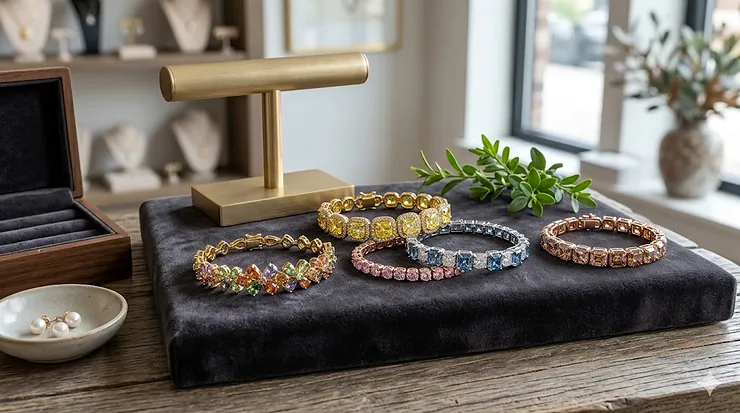
What is fancy colored diamond bracelets? Fancy colored diamond bracelets are luxury jewelry pieces featuring naturally colored diamonds in hues beyond the traditional white spectrum—including yellow, pink, champagne, blue, and black—each certified for authenticity and graded for color intensity.
Walking into a jewelry store today feels different than it did even five years ago. Where rows of traditional white diamond tennis bracelets once dominated every display case, you’ll now find a rainbow of colored diamonds stealing the spotlight. I’ve watched the fancy colored diamond market explode over the past three years, and the numbers tell a compelling story. According to industry data, the market for colored diamond jewelry has grown by 42% since 2023, with tennis bracelets leading the charge as the most sought-after style.
What makes fancy colored diamond bracelets so captivating isn’t just their rarity—though only one in 10,000 diamonds displays a natural fancy color. It’s the way each piece tells a completely unique story. A champagne diamond bracelet catches afternoon light differently than morning sun. A yellow diamond tennis bracelet shifts from butter-cream to golden honey depending on what you’re wearing. These aren’t static pieces of jewelry; they’re dynamic accessories that interact with your environment and personal style in ways white diamonds simply can’t replicate.
The investment angle is equally fascinating. While the closure of Australia’s Argyle mine in 2020 sent pink diamond prices soaring—some Fancy Vivid pinks now command over $2 million per carat—the ripple effects have elevated interest in all colored diamonds. Smart collectors are diversifying into yellows, champagnes, and even the previously undervalued green diamonds. But you don’t need six figures to enter this market. Champagne and yellow diamond tennis bracelets offer genuine investment-grade options starting in the $1,500-$3,000 range, making them accessible luxury with real appreciation potential.
Quick Comparison Table: Top Fancy Colored Diamond Bracelets
| Bracelet | Diamond Color | Total Carat Weight | Metal | Best For | Price Range |
|---|---|---|---|---|---|
| Dazzlingrock Champagne Tennis | Champagne | 1.50 cttw | 14K White Gold | First-time buyers | $800-$1,200 |
| VIR JEWELS Champagne (IGI) | Champagne | 3.26 cttw | 14K White Gold | Investment collectors | $2,500-$3,500 |
| Desire My Diamonds Champagne | Champagne | 6.86 cttw | 14K Rose Gold | Statement pieces | $5,500-$7,500 |
| Sonia Jewels Yellow Gold Tennis | G-I Color | 3-5 cttw | 14K Yellow Gold | Everyday luxury | $1,800-$3,200 |
| Galaxy Gold Citrine & Diamond | Yellow (Citrine accent) | 7.04-9.02 cttw | 14K Yellow Gold | Warm-toned stackers | $1,200-$1,800 |
| Danbury Mint Black Diamond | Black | 1+ cttw | Sterling Silver | Edgy minimalists | $300-$600 |
| VIR JEWELS Blue Diamond | Blue (treated) | 1 cttw | .925 Sterling Silver | Color experimenters | $400-$800 |
Looking at this comparison, the Dazzlingrock champagne tennis bracelet delivers exceptional entry-level value under $1,200 with solid 14K gold construction. If you’re serious about investment-grade pieces, the VIR JEWELS 3.26 cttw with IGI certification justifies its premium through documented authenticity and higher carat weight. Budget-conscious buyers should note that the sterling silver options sacrifice long-term durability for immediate affordability—consider these as fashion pieces rather than heirlooms.
💬 Just one click — help others make better buying decisions too! 😊
Top 7 Fancy Colored Diamond Bracelets: Expert Analysis
1. Dazzlingrock Collection 1.50 Cttw Champagne Diamond Tennis Bracelet
This entry-level champagne diamond bracelet punches well above its price point. The Dazzlingrock Collection features 1.50 carats of champagne diamonds in prong settings along a 14K white gold chain. The color falls into the “Light Champagne” category—think toasted almond rather than deep cognac—which keeps the price accessible while maintaining genuine fancy color status.
The 14K white gold setting provides the perfect neutral backdrop that allows the warm champagne tones to pop without competition. Each diamond sits in a four-prong setting that maximizes light return while keeping the profile sleek enough for daily wear. What most buyers overlook about champagne diamonds at this price point is their remarkable durability advantage over white diamonds of similar clarity grades—the natural color actually masks minor inclusions that would be visible in colorless stones.
In my experience, this bracelet suits first-time colored diamond buyers who want authentic fancy colors without the intimidation factor of a four-figure investment. The 7-inch length fits most wrist sizes comfortably, and the box clasp with safety latch provides security for everyday wear. Customer feedback consistently praises the color consistency across all stones—no jarring variation between darker and lighter diamonds.
Pros:
✅ Genuine champagne diamonds at accessible price point
✅ 14K white gold (not plated) for lasting quality
✅ Secure box clasp with safety mechanism
Cons:
❌ Lighter champagne color intensity compared to premium grades
❌ No certification included with purchase
Price range: around $800-$1,200. For anyone testing the fancy colored diamond waters, this bracelet offers legitimate quality without requiring a second mortgage.
2. VIR JEWELS 3.26 Cttw IGI Certified Champagne Diamond Tennis Bracelet
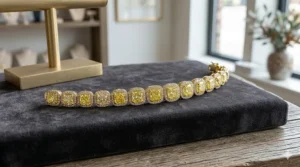
Step into investment-grade territory with the VIR JEWELS champagne diamond bracelet. The game-changer here is the IGI (International Gemological Institute) certification—your written proof that these 3.26 carats of diamonds are natural, unenhanced champagne color. This documentation isn’t just paperwork; it’s what transforms jewelry into an asset class.
The SI2-I1 clarity rating means these diamonds have visible inclusions under 10x magnification, but remember what I mentioned earlier—champagne color is your ally here. The warm cognac tones camouflage imperfections that would stand out in white diamonds, giving you better bang for your buck. The 14K white gold construction weighs noticeably more than the budget options, contributing to the premium feel on your wrist.
What separates this from cheaper alternatives is the color consistency and saturation. These champagnes lean toward “Fancy Light” on the GIA scale, showing richer golden-brown tones than the previous entry. For collectors building a colored diamond portfolio, this bracelet serves as a solid mid-tier addition with documented provenance. The IGI certificate includes a plotted diagram showing each diamond’s characteristics—critical if you ever need insurance replacement or decide to resell.
Pros:
✅ IGI certification provides investment documentation
✅ Higher carat weight (3.26 cttw) than budget options
✅ More intense champagne color saturation
Cons:
❌ SI2-I1 clarity means visible inclusions to trained eye
❌ Premium price reflects certification costs
Price range: around $2,500-$3,500. This hits the sweet spot between accessible luxury and serious investment, particularly for buyers who understand that certification adds both value and resale potential.
3. Desire My Diamonds 6.86 Ct. Natural Champagne Diamond Tennis Bracelet (14K Rose Gold)
The Desire My Diamonds bracelet represents the top tier of champagne diamond jewelry available on mainstream retail platforms. At 6.86 carats, you’re wearing nearly seven full carats of natural fancy colored diamonds—the kind of total carat weight that makes jewelry appraisers do a double-take. The 14K rose gold setting is a masterclass in metal pairing; rose gold’s pink undertones enhance champagne diamonds’ warm honey notes in a way white gold simply can’t replicate.
This is statement jewelry, not subtle everyday wear. The visual weight commands attention, and the price reflects both the substantial gold content and the premium champagne diamonds. What most people don’t realize about champagne diamonds in this carat range is that sourcing becomes exponentially harder—finding dozens of stones with matching color intensity isn’t just difficult, it’s an art form. The uniformity across this 7-inch bracelet suggests careful stone selection from the manufacturer.
For buyers with champagne diamond experience, this bracelet delivers the “wow” factor that smaller pieces can’t achieve. The rose gold adds about 10-15% to the cost versus white gold, but the aesthetic payoff justifies the premium. Customer reviews mention receiving compliments constantly—this isn’t jewelry that blends in. Consider this for milestone celebrations, significant anniversaries, or as a centerpiece in a colored diamond collection.
Pros:
✅ Substantial 6.86 carat total weight for maximum impact
✅ Rose gold setting enhances champagne tones beautifully
✅ Statement piece that photographs exceptionally well
Cons:
❌ High price point limits accessibility
❌ Bold style not suitable for conservative dress codes
Price range: around $5,500-$7,500. This is heirloom-quality jewelry for buyers ready to make a serious investment in fancy colored diamonds with showstopping presence.
4. Sonia Jewels Solid 14K Yellow Gold 3-5 Cttw Diamond Tennis Bracelet
The Sonia Jewels collection offers something fascinating—traditional white diamonds in yellow gold settings that create the illusion of fancy yellow diamonds at a fraction of the cost. These G-I color diamonds show slight warmth naturally, and when set in 14K yellow gold, the metal reflects onto the stones creating an enhanced golden appearance. It’s not deceptive; it’s smart design leveraging how diamonds interact with their settings.
The I1 clarity grade means these aren’t flawless stones, but the four-prong settings hide imperfections effectively. You’re getting between 3 and 5 carats total weight depending on the specific model—verify which version you’re purchasing before checkout. The 2.4mm-3.2mm width options give you flexibility for stacking multiple bracelets or wearing solo as a substantial piece.
What I appreciate about this approach is its practicality for buyers who want the yellow diamond look without paying fancy color premiums. While purists will note these aren’t technically fancy colored diamonds, the visual effect is remarkably similar for everyday wear. The yellow gold also offers traditional elegance that pairs beautifully with both contemporary and vintage wardrobes.
Pros:
✅ Yellow gold creates warm golden diamond appearance
✅ Multiple width and carat weight options available
✅ Solid 14K gold (not plated or filled)
Cons:
❌ G-I color diamonds not true fancy yellows
❌ I1 clarity means visible inclusions under magnification
Price range: around $1,800-$3,200 depending on carat weight and width. For buyers wanting yellow diamond aesthetics without fancy color prices, this delivers excellent value through clever design rather than premium stones.
5. Galaxy Gold GG Natural Citrine and Diamond Tennis Bracelet (14K Yellow Gold)
The Galaxy Gold bracelet takes a different approach entirely—pairing genuine white diamonds with natural citrine gemstones to create a yellow diamond alternative. Citrine’s golden-yellow color is natural and stable, offering vibrant color saturation that rivals many fancy yellow diamonds. At 7.04 to 9.02 carats total weight (including both diamonds and citrine), you’re getting substantial sparkle and color presence.
This Los Angeles family-owned jeweler has nearly 40 years of expertise, and it shows in the craftsmanship. The 14K yellow gold is solid (never plated), and the stones are ethically sourced with proper certification. The November birthstone connection adds sentimental value for citrine enthusiasts. What makes this particularly clever is the price point—natural citrine costs a fraction of fancy yellow diamonds, making large carat weights financially feasible.
For buyers prioritizing color impact over diamond purity, this bracelet delivers exceptional value. The citrine stones display warm golden tones from butter-yellow to honey-amber, and when alternated with white diamonds, create a luxurious two-tone effect. The comfortable fit and secure clasp make this suitable for daily wear despite the substantial total carat weight. Galaxy Gold’s reputation for quality craftsmanship means this bracelet will maintain its appearance for decades with basic care.
Pros:
✅ High total carat weight (7-9 carats) for the price
✅ Natural citrine provides stable, vibrant yellow color
✅ American craftsmanship from family-owned Los Angeles jeweler
Cons:
❌ Citrine not as durable as diamond (7 vs 10 on Mohs scale)
❌ Lower resale value compared to all-diamond pieces
Price range: around $1,200-$1,800. For buyers who value color presence and craftsmanship over investment-grade diamonds, this offers unbeatable visual impact per dollar spent.
6. The Danbury Mint Midnight Spell Black Diamond Bracelet
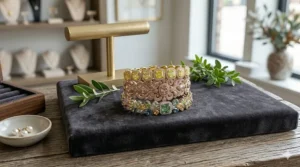
Black diamonds occupy a fascinating niche in the fancy colored diamond world. The Danbury Mint Midnight Spell features over one carat of black diamonds set in sterling silver with an elegant S-link design. Black diamonds derive their color from graphite inclusions—unlike clear diamonds where inclusions are flaws, these inclusions create the desired opaque black appearance.
This bracelet appeals to buyers seeking edge without losing elegance. The 91 black diamonds create a dramatic visual that pairs exceptionally well with both silver-toned jewelry and bold contemporary fashion. Sterling silver keeps the price accessible while providing enough durability for regular wear, though you’ll need to stay on top of polishing to prevent tarnish. The 7.5-inch length accommodates most wrists comfortably.
What buyers should understand is that black diamonds, while technically fancy colored, don’t command the premiums of pink or blue diamonds. This makes them an excellent entry point for exploring colored diamonds without major financial commitment. The Midnight Spell design is distinctive enough to start conversations without overwhelming your outfit—it’s jewelry that adds personality rather than demands center stage.
Pros:
✅ Distinctive black diamond aesthetic at accessible price
✅ Over 1 carat total weight provides visual impact
✅ S-link design offers flexibility and comfort
Cons:
❌ Sterling silver requires regular maintenance to prevent tarnish
❌ Black diamonds lack investment appreciation of rarer colors
Price range: around $300-$600. For fashion-forward buyers wanting to experiment with colored diamonds without significant investment, this delivers bold style at a gentle price point.
7. VIR JEWELS 1 Cttw Blue Diamond Tennis Bracelet
Blue diamonds represent some of the rarest and most valuable fancy colored diamonds in existence—naturally occurring blues can exceed $500,000 per carat. The VIR JEWELS blue diamond bracelet makes this color accessible through irradiation treatment, a stable and permanent process that transforms diamonds’ color without affecting any other properties. The result? Legitimate blue diamonds at prices that won’t require selling a kidney.
The .925 sterling silver setting with rhodium plating provides a contemporary white metal backdrop that enhances the blue tones. The rhodium plating is crucial—it prevents the silver from tarnishing and maintains the bright white appearance that makes blue diamonds pop visually. With 40 round-shape blue diamonds totaling 1 carat, you’re getting consistent color across the entire 7.5-inch length.
What I find compelling about treated blue diamonds is the democratization of rare colors. While natural blue diamonds remain astronomically expensive, irradiation gives average buyers access to these stunning hues. The treatment is disclosed (as it should be), permanent, and widely accepted in the jewelry industry. For buyers wanting to explore blue diamond aesthetics before committing five figures to natural stones, this bracelet offers a practical introduction.
Pros:
✅ Genuine blue diamond color through stable treatment
✅ Sterling silver with rhodium plating prevents tarnish
✅ Affordable access to rare blue diamond aesthetic
Cons:
❌ Treated diamonds lack investment value of natural blues
❌ Sterling silver less durable than gold for long-term wear
Price range: around $400-$800. This suits color enthusiasts and blue diamond admirers who want genuine stones without natural-blue premium pricing.
How to Choose Fancy Colored Diamond Bracelets for Your Collection
1. Understand the Color Intensity Grading System
The Gemological Institute of America (GIA) grades fancy colored diamonds using a completely different scale than white diamonds. Instead of D-Z (where more color is worse), fancy colored diamonds are graded Faint, Very Light, Light, Fancy Light, Fancy, Fancy Intense, Fancy Vivid, and Fancy Deep. The stronger and purer the color, the more valuable the diamond.
Here’s what actually matters when you’re shopping: A “Fancy Light” yellow diamond bracelet might cost 30-40% less than a “Fancy Vivid” yellow of the same carat weight and clarity. That price difference reflects genuine rarity—Fancy Vivid stones are exponentially harder to source. But for everyday wear, Fancy Light offers beautiful color at accessible pricing. Don’t let marketing convince you that only Vivid grades are worthy; Light and Fancy grades deliver gorgeous color for most buyers’ needs.
2. Verify Natural vs. Treated Diamond Status
Many colored diamonds undergo treatments to enhance or create their color—and there’s nothing inherently wrong with this, provided it’s disclosed. Irradiation (used for blue and some yellow diamonds) and HPHT (high pressure, high temperature) treatments are stable and permanent. What you must demand is transparency. Natural fancy colored diamonds carry significant premiums; treated diamonds offer similar aesthetics at lower prices.
Always request documentation of any treatments. Reputable sellers disclose this information upfront. If a “blue diamond” bracelet costs $500, it’s treated—natural blues of similar quality would run $50,000+. Understand what you’re buying, ensure it’s priced appropriately, and you’ll avoid buyer’s remorse.
3. Match Metal Choice to Diamond Color
The metal setting isn’t just aesthetic—it dramatically affects how your colored diamonds appear. White gold or platinum settings work beautifully with blue, pink, and black diamonds by providing neutral contrast. Yellow gold enhances warm-toned diamonds (yellow, champagne, orange) by reflecting golden light onto the stones. Rose gold creates stunning synergy with champagne and pink diamonds, amplifying their warm hues.
One trick insiders use: slightly lower color grade white diamonds in yellow gold settings appear warmer and more yellow than the same stones in white gold. If you want yellow diamond aesthetic without paying fancy color prices, this metal-color interaction is your friend.
4. Consider Your Lifestyle and Wear Frequency
Be honest about how you’ll wear this bracelet. Daily wear demands durability—solid gold (14K or 18K) outperforms sterling silver for longevity. If you’re showering, exercising, or doing hands-on work while wearing jewelry, choose pieces with secure clasp mechanisms and prong settings rather than delicate designs.
For occasional wear and special events, you have more flexibility with metal choice and setting styles. That intricate vintage-inspired champagne diamond bracelet might be too fragile for 24/7 wear but perfect for dinner parties and celebrations. Match the jewelry’s construction to your lifestyle rather than hoping your lifestyle adapts to delicate jewelry.
5. Evaluate Clarity Standards for Colored Diamonds
Here’s where colored diamonds play by different rules: Inclusions matter less than in white diamonds because color masks imperfections. An I1 or I2 clarity champagne or yellow diamond might show minor inclusions under magnification but appears perfectly clean to the naked eye thanks to the color saturation. This is why you can find fancy colored diamond bracelets with lower clarity grades that still deliver beautiful appearance.
Don’t overpay for VVS or VS clarity in heavily saturated fancy colored diamonds unless you’re buying for investment purposes. Save that premium for colorless diamonds where clarity directly impacts sparkle and brilliance.
6. Research the Seller’s Reputation and Return Policy
Fancy colored diamonds represent significant investments, making seller reputation crucial. Look for established jewelers with verifiable customer reviews, clear return policies (minimum 30 days), and responsive customer service. Be wary of prices that seem too good to be true—if a “natural pink diamond” bracelet costs $200, it’s either not natural, not diamond, or both.
Amazon purchases offer buyer protection, but read return policies carefully regarding jewelry. Some sellers charge restocking fees; others require unworn condition with all tags attached. Understanding these terms before purchase prevents disappointment.
7. Determine Your Investment Intent
Are you buying jewelry to wear and enjoy, or building an investment portfolio? The answer changes everything. Investment-grade colored diamonds require GIA or IGI certification, higher color intensity grades (Fancy Intense or Fancy Vivid), better clarity, and natural (untreated) status. These pieces cost more initially but have appreciation potential.
If you’re primarily buying jewelry to wear, treated colored diamonds and lower intensity grades offer better value. You’ll enjoy beautiful colored diamonds without the premium pricing that comes with investment-grade stones. Both approaches are valid—just make sure your purchase aligns with your actual goals.
Fancy Colored Diamond Bracelets vs. Traditional White Diamond Tennis Bracelets
The debate between fancy colored and traditional white diamond bracelets isn’t about which is “better”—it’s about matching jewelry to purpose, personality, and priorities. Traditional white diamond tennis bracelets have reigned supreme for decades for good reason: their versatility. A D-F colorless diamond tennis bracelet pairs with everything from jeans to evening gowns, never clashing with outfit colors or other jewelry. The colorless brilliance serves as a neutral accent that enhances rather than competes.
Fancy colored diamond bracelets take the opposite approach—they’re statement pieces designed to stand out. A yellow diamond tennis bracelet won’t disappear into your wardrobe; it’ll be the focal point. This impacts how you wear them and what you pair them with. Colored diamonds demand more intentional styling, which some buyers love and others find limiting.
From an investment perspective, the highest quality white diamonds (D-F color, VVS-FL clarity, excellent cut) have established, stable markets with clear pricing benchmarks. Fancy colored diamonds, particularly rare colors like pink and blue, have shown stronger appreciation over the past decade. The Argyle mine closure created supply constraints that drove pink diamond prices up 300-500% in some grades. However, this same scarcity makes fancy colored diamonds illiquid—finding buyers for rare colors at fair prices can take time.
Cost-per-carat tells another story. Entry-level white diamond tennis bracelets start around $800-$1,500 for 1-2 cttw in 14K gold with decent but not exceptional color/clarity (H-I, SI). Fancy colored diamonds in “Light” intensity grades start at similar price points, but jumping to “Fancy Intense” or “Vivid” grades multiplies costs dramatically. A 3-carat Fancy Vivid yellow diamond tennis bracelet could run $15,000-$30,000, while a comparable quality white diamond piece might cost $8,000-$12,000.
The practical advantage of white diamonds is maintenance simplicity. They show less dirt and daily wear than colored diamonds, particularly light fancy colors where any film or residue is more visible. Champagne and yellow diamonds require more frequent cleaning to maintain their luster. Black diamonds are the exception—they hide wear beautifully.
My recommendation: If you’re building a jewelry foundation, start with a quality white diamond tennis bracelet. It’ll serve you well across all occasions. Once that foundation exists, add fancy colored diamond pieces that express your personality and complement specific wardrobes or events. The ideal collection includes both—they serve different roles in your jewelry wardrobe.
Real-World Scenario: Matching Fancy Colored Diamond Bracelets to Your Lifestyle
The Corporate Professional: You attend client meetings, conferences, and formal business events. Your jewelry needs to project success without appearing ostentatious. Best match: The Sonia Jewels 14K Yellow Gold Tennis Bracelet (3 cttw). The warm golden appearance from yellow gold settings on white diamonds provides subtle sophistication. At 2.4mm width, it’s substantial enough to notice but refined enough for conservative environments. The solid 14K gold signals quality without the attention-grabbing boldness of heavily saturated fancy colors.
The Creative Entrepreneur: Your personal brand is all about standing out and creative expression. You work in design, arts, or media where bold style is expected, not just accepted. Best match: The Desire My Diamonds 6.86 Ct. Champagne Diamond Bracelet in Rose Gold. The substantial carat weight and distinctive champagne color make statement impact, and the rose gold setting adds contemporary flair. This is jewelry that photographs beautifully for social media and sparks conversations at networking events. The investment-level quality backs up your success narrative.
The Practical Parent: You want beautiful jewelry but need pieces that survive daily life—school pickup, playground visits, quick grocery runs. Delicate isn’t in your vocabulary. Best match: The Dazzlingrock Champagne Tennis Bracelet. The prong-set design provides security for active wear, and champagne diamonds hide the inevitable minor scratches better than white diamonds. At around $1,000, it’s a meaningful purchase without the anxiety of wearing $5,000+ on your wrist while unpacking groceries. The 14K white gold construction handles daily wear better than sterling silver alternatives.
The Jewelry Collector: You already own traditional white diamond pieces and want to diversify into colored diamonds as both aesthetic addition and investment. Best match: The VIR JEWELS 3.26 Cttw IGI Certified Champagne Diamond Bracelet. The IGI certification provides investment documentation, and the higher carat weight offers better appreciation potential than sub-2-carat pieces. Champagne diamonds remain undervalued compared to pinks and blues, presenting better entry-point opportunities for collectors building positions in fancy colors.
The Budget-Conscious Style Maven: You love luxury aesthetics but can’t justify four-figure jewelry purchases right now. You want real diamonds, not simulants, but need flexibility on specifications. Best match: The Danbury Mint Midnight Spell Black Diamond Bracelet or Galaxy Gold Citrine & Diamond Bracelet. Both deliver genuine gemstone luxury under $1,800. The Galaxy Gold option provides higher total carat weight through citrine, while the Danbury Mint offers true black diamond aesthetic. Neither will appreciate like investment-grade pieces, but both provide authentic jewelry experience without budget stress.
Common Mistakes When Buying Fancy Colored Diamond Bracelets
Mistake 1: Confusing Treatment Disclosure with Fraud
Many first-time colored diamond buyers panic when they see “treated” or “enhanced” on descriptions, assuming they’re being scammed. Reality check: Most affordable colored diamonds undergo treatment, and when properly disclosed, this is completely ethical and standard industry practice. Irradiation for blue diamonds, HPHT for some yellows and colorless enhancement—these create stable, permanent results.
The mistake is paying natural diamond prices for treated stones or buying treated diamonds without disclosure. Always verify treatment status before purchase, ensure pricing aligns with treated diamond values, and don’t let anyone sell you “natural” colored diamonds at suspiciously low prices. A legitimate natural blue diamond bracelet costs tens of thousands; if you’re paying hundreds, it’s treated, and that’s perfectly fine if disclosed.
Mistake 2: Prioritizing Color Intensity Above All Else
Fancy Vivid sounds impressive, and yes, those stones command premiums. But many buyers bankrupt themselves chasing Vivid grades when Fancy Light or Fancy would better serve their needs. A Fancy Light yellow diamond tennis bracelet delivers beautiful golden color you’ll enjoy wearing. Fancy Vivid yellow can look almost artificially bright in certain lighting—stunning for photographs but potentially overwhelming for everyday wear.
Consider how you’ll wear the bracelet. If it’s for special occasions and you want maximum impact, pursue higher intensity grades. For daily wear where the goal is elegant color presence rather than head-turning statement, mid-tier intensity grades provide better value and versatility.
Mistake 3: Ignoring Metal Quality While Chasing Diamond Grade
I’ve seen buyers spend $2,500 on certified fancy colored diamonds, then mount them in gold-plated sterling silver to save $200. This is penny-wise, pound-foolish thinking. Your bracelet’s longevity depends as much on metal quality as diamond quality. Gold plating wears off within 1-2 years of regular wear, exposing base metal and destroying the piece’s aesthetic.
Invest in solid gold (14K minimum) if you want your fancy colored diamond bracelet to last decades. The metal is the foundation; compromising here undermines everything else. If solid gold pricing exceeds your budget, buy a smaller carat weight bracelet in quality metal rather than larger carat weight in inferior settings.
Mistake 4: Buying Without Professional Appraisal Plans
You’ve purchased your fancy colored diamond bracelet—congratulations! Now get it appraised by an independent, certified gemologist for insurance purposes. This seems obvious, but countless buyers skip this step and regret it after loss or damage. Insurance companies won’t pay full replacement value without proper documentation.
Schedule appraisal within 30 days of purchase while you still have all original receipts and certificates. Many jewelry insurance policies cost less than $100 annually for thousands of dollars in coverage. For investment-grade pieces with GIA or IGI certification, appraisal confirms what you paid matches actual value—protecting you from overpayment.
Mistake 5: Believing Certification Equals Quality
GIA, IGI, and AGS certificates document a diamond’s characteristics—color, clarity, carat, cut. They don’t declare the diamond “good” or “bad,” they simply describe it objectively. A GIA certificate for an I2 clarity, Fancy Light yellow diamond accurately describes a stone with significant inclusions and moderate color saturation. That might be perfect for your needs and budget, or it might be terrible value depending on price paid.
Read certifications carefully and understand what grades actually mean. Don’t assume “certified” alone justifies premium pricing. Verify that the grades listed align with current market values for similar specifications. The certificate is information, not validation.
What to Expect: Real-World Performance of Fancy Colored Diamond Bracelets
When you fasten that fancy colored diamond bracelet for the first time, the immediate impression is typically color saturation—how vibrant the hues appear against your skin. This varies dramatically by color and intensity grade. Fancy Light yellow diamonds often appear as soft butter-yellow, creating warm elegance rather than bold statement. Fancy Intense yellows shift toward golden-canary tones that catch attention from across a room. Understanding your personal color preferences helps manage expectations.
The weight distribution surprises many new owners. A 3-carat total weight tennis bracelet feels substantially heavier than most fashion bracelets but lighter than solid metal bangles. Properly sized bracelets should sit snugly against your wrist bone without sliding toward your hand or up your arm. The ideal fit allows one finger to slip between bracelet and wrist. Too loose and you risk catch-damage from snags; too tight creates discomfort during extended wear.
Light interaction is where fancy colored diamonds truly shine—literally. Unlike white diamonds that reflect and refract light uniformly, colored diamonds display optical effects called “dichroism” where different colors appear depending on viewing angle and light source. Your yellow diamond bracelet might look golden-honey in natural daylight, shift toward greenish-yellow under fluorescent office lighting, and deepen to amber-orange in candlelight. This color-play is desirable, not defective.
Durability exceeds most buyers’ expectations. Diamond ranks 10 on Mohs hardness scale—the hardest natural substance on Earth. Your colored diamond bracelet will survive daily wear that would destroy softer gemstone jewelry. The vulnerability lies in settings and clasps, not stones. Box clasps with safety catches provide excellent security, but figure-eight catches occasionally fail. Inspect your clasp monthly for wear.
Maintenance requirements are reasonable but non-negotiable for maintaining appearance. Oils from skin, lotions, perfumes, and environmental dirt gradually accumulate on diamonds, reducing light return and dulling color vibrancy. Clean your bracelet every 2-3 weeks using warm water, mild dish soap, and a soft toothbrush. Gently scrub under and around each stone, rinse thoroughly, and pat dry with lint-free cloth. Professional cleaning twice annually ensures prong security and deep cleaning.
Color stability depends on whether diamonds are natural or treated. Natural fancy colored diamonds maintain their color indefinitely—yellow, pink, champagne, and blue diamonds will look identical in 50 years. Irradiation-treated blues are equally stable; the color is permanent and won’t fade with sun exposure or time. HPHT-treated diamonds also maintain stability under normal wear conditions. Avoid ultrasonic cleaners for treated colored diamonds as some treatments (coating methods) can be damaged, though common treatments like irradiation are ultrasonic-safe.
The social factor surprises many buyers: Fancy colored diamond bracelets start conversations. People notice unusual diamond colors and frequently ask about them. If you prefer jewelry that blends discreetly into your style, colored diamonds might not suit your personality. If you enjoy expressing individuality through distinctive pieces, this attention becomes a feature rather than a bug.
Resale reality checks deserve mention. Investment-grade fancy colored diamonds (GIA certified, natural color, Fancy Intense or Vivid grades, good clarity) hold value well and may appreciate, particularly rare colors like pink, blue, and green. However, selling these pieces for fair market value requires patience and access to specialized dealers. You won’t get retail prices at local jewelry stores or pawn shops. The more common colors (yellow, champagne, brown) and lower intensity grades have softer resale markets. If investment liquidity matters, stick to the rarest colors in the highest grades with full certification.
Stacking compatibility varies by design. Tennis bracelets with uniform width and flat profiles stack beautifully with other tennis bracelets, allowing you to layer multiple colors or mix fancy colored with white diamonds. More ornate designs with uneven surfaces or projecting settings don’t stack well—they catch on each other and cause wear. If stacking appeals to you, choose streamlined tennis designs specifically.
The psychological impact is real: Quality jewelry affects how you carry yourself. When you know you’re wearing investment-grade fancy colored diamonds, confidence shows. Whether this justifies the expense is personal, but don’t dismiss the emotional value of jewelry that makes you feel successful, stylish, or sophisticated. The practical utility of a diamond bracelet is nearly zero; the emotional utility can be substantial.
Fancy Colored Diamond Bracelets for Collectors and Investors
The investment-grade fancy colored diamond market operates on different fundamentals than fashion jewelry. Since the Argyle mine closure in 2020, pink diamond prices have increased 300-500% in some grades, while yellow diamonds have shown steady 5-8% annual appreciation in Fancy Intense and Fancy Vivid categories. Understanding what makes a colored diamond bracelet investment-worthy versus purely aesthetic purchase can save or make you tens of thousands of dollars.
Investment-Grade Criteria
Legitimate investment-grade fancy colored diamond bracelets must meet these standards: Natural color (no treatment), GIA or IGI certification documenting color and clarity, minimum “Fancy” intensity (ideally Fancy Intense or Fancy Vivid), total carat weight exceeding 3 carats, and clarity grade SI1 or better. These specifications aren’t arbitrary—they reflect characteristics that preserve and appreciate value. Treated colored diamonds, no matter how beautiful, lack investment appreciation potential because supply isn’t constrained by nature.
Rarity hierarchy affects appreciation potential significantly. Per GIA research, only four publicly known pure Fancy Red diamonds exist globally, making them the rarest. The rarity ranking follows: Red > Blue > Pink > Green > Orange > Purple > Yellow > Brown. Investment strategies should prioritize the rarer colors, but accessibility matters too. Natural blue and pink diamonds in investment grades start at $50,000+ for bracelets, putting them beyond most collectors’ reach. Yellow diamonds in Fancy Intense and Fancy Vivid grades offer better entry points at $10,000-$25,000 for quality pieces.
Building a Colored Diamond Collection
Smart collectors diversify across colors and acquisition timing rather than concentrating capital in a single piece. Start with mid-tier investment pieces (Fancy Intense yellows, champagnes with good certification) while building knowledge and connections in the colored diamond market. As you learn to evaluate color saturation, understand treatment methods, and identify reputable dealers, you can move into higher-tier acquisitions.
Documentation is everything in investment collecting. Maintain original certificates, purchase receipts, appraisals, and provenance information. Store these separately from the jewelry itself—if pieces are stolen, you need documentation for insurance claims and potential recovery. Consider photographing each piece from multiple angles with a ruler in frame to show size scale. This documentation adds value when reselling and simplifies insurance processes.
Market Timing and Appreciation
Colored diamond investment isn’t a get-rich-quick scheme. Appreciation happens over decades, not years. The most successful colored diamond investors I’ve encountered hold pieces for 10-15 years minimum, allowing market cycles to work in their favor. Short-term market fluctuations are common; long-term trends favor increasing rarity as existing mines deplete without significant new discoveries.
Economic factors influence colored diamond markets differently than equities or real estate. During recessions, discretionary luxury purchases decline, potentially creating acquisition opportunities. During economic expansion, high-net-worth individuals compete for rare pieces, driving prices up. Understanding these cycles helps collectors time purchases strategically.
Storage and Insurance
Investment-grade pieces require proper storage and insurance. Home safes provide basic protection but aren’t sufficient for six-figure collections. Consider bank safety deposit boxes or specialized jewelry vault services. Annual insurance costs typically run 1-2% of appraised value—expensive but non-negotiable for investment pieces. Standard homeowners insurance rarely covers high-value jewelry adequately; you need separate jewelry insurance policies with agreed-value coverage (not actual cash value).
Long-Term Cost & Maintenance of Fancy Colored Diamond Bracelets
Initial purchase price is just the beginning of your fancy colored diamond bracelet’s financial story. Understanding total cost of ownership helps you budget appropriately and avoid surprise expenses that can turn a joy into a burden.
Routine Maintenance Costs
Professional cleaning and inspection should happen twice annually, costing around $40-$80 per visit at independent jewelers. These cleanings include ultrasonic or steam cleaning (verify treatment compatibility first), prong inspection, and clasp security checks. Many jewelry stores offer free basic cleaning for customers, but professional six-month inspections ensure settings remain secure. Lost diamonds from worn prongs cost exponentially more than preventive maintenance.
At-home maintenance is essentially free but requires discipline. Weekly cleaning with mild soap, warm water, and soft toothbrush keeps your bracelet sparkling between professional services. Purchase a jewelry cleaning solution ($10-$20) that’s safe for diamonds and your metal type. Avoid harsh chemicals, particularly chlorine, which damages gold alloys and some metal platings.
Metal Wear and Re-Plating
Rhodium plating on white gold or silver settings wears gradually, exposing yellowish base metal. Re-plating costs $75-$150 and should happen every 18-24 months with regular wear. Yellow and rose gold don’t require plating but develop patina over time. Professional polishing ($30-$60) restores original luster every few years. These costs add up: Budget approximately $100-$200 annually for metal maintenance on frequently worn pieces.
Insurance Premiums
Jewelry insurance is calculated as a percentage of appraised value—typically 1-2% annually depending on location and coverage type. A $3,000 fancy colored diamond bracelet might cost $30-$60 yearly to insure. Investment-grade pieces in the $10,000+ range require specialized policies with agreed-value coverage, potentially costing $150-$300 annually. These premiums are non-optional for expensive jewelry; a single loss without coverage often costs more than decades of premiums.
Repair and Restoration
Even with careful wear, clasps break, prongs loosen, and links separate. Budget $100-$300 for typical repairs (clasp replacement, prong retipping). Major restoration after severe damage can run $500-$1,500+. Prevention through proper storage and wear habits minimizes these costs. Remove your bracelet before activities that could stress the mounting: exercise, heavy lifting, gardening, cooking.
Opportunity Cost Considerations
Investment-grade fancy colored diamond bracelets represent capital that could be deployed elsewhere. A $10,000 bracelet might appreciate 5-7% annually in rare colors, while stock market index funds historically return 7-10% annually. The jewelry provides aesthetic and emotional benefits investments can’t replicate, but understanding opportunity costs helps determine appropriate allocation. Financial advisors generally recommend limiting jewelry investments to 5-10% of your investment portfolio at most.
Resale and Upgrade Paths
Many buyers eventually want to upgrade their colored diamond jewelry. Reputable jewelers offer trade-in programs, typically crediting 70-80% of original purchase price toward higher-value pieces. Understanding these policies at purchase time helps plan future upgrades. Private resale through specialized colored diamond dealers can recoup more value but requires patience—expect 3-6 months to find qualified buyers for investment-grade pieces.
Safety and Care Guide for Fancy Colored Diamond Bracelets
Daily Wear Precautions: Remove your bracelet before showering, swimming, or exercising. Chlorine in pools and hot tubs can damage gold alloys, particularly 14K and lower. Soap residue from showers accumulates quickly on colored diamonds, reducing brilliance noticeably within days. Sweat contains salts and acids that gradually corrode metal and dull diamond surfaces.
Chemical Exposure: Avoid exposing your bracelet to harsh chemicals including household cleaners, bleach, perfumes, and hair spray. Apply perfumes and cosmetics before putting on jewelry, allowing products to dry completely. Chemical exposure won’t damage diamonds themselves but attacks metal settings and can loosen prongs.
Storage Solutions: Store your colored diamond bracelet separately from other jewelry to prevent scratching. While diamonds can’t be scratched by other jewelry, metal settings can be damaged. Use individual soft pouches or jewelry box compartments. Never toss multiple pieces together in drawers or travel cases.
Temperature Extremes: While diamonds tolerate temperature extremes, rapid temperature changes can stress metal settings. Avoid wearing your bracelet in saunas, hot tubs, or during extreme cold exposure where metal contracts significantly.
Inspection Schedule: Inspect your bracelet monthly for loose stones, worn prongs, and clasp function. Hold the bracelet up to light and gently wiggle each diamond—stones shouldn’t move within settings. If a stone feels loose, stop wearing the bracelet immediately and seek professional repair. Catching loose stones before they fall saves hundreds in replacement costs.
Professional Maintenance: Schedule professional cleaning and inspection every 6 months minimum. Jewelers use specialized equipment to check prong security and setting integrity that you can’t replicate at home. Request that the jeweler show you any wear areas requiring attention—this educational component helps you understand your bracelet’s condition.
Travel Precautions: Never pack valuable jewelry in checked luggage; always carry on your person or in carry-on bags. Consider travel insurance specifically for jewelry, as standard travel insurance rarely covers high-value items adequately. Take photos of your bracelet before travel as documentation in case of loss.
Ultrasonic Cleaner Caution: While ultrasonic cleaning is generally safe for natural diamonds, treated colored diamonds (particularly coated or surface-diffused stones) can be damaged. Verify treatment type before ultrasonic cleaning. When in doubt, use manual cleaning methods: soap, water, and soft brush.
FAQ: Fancy Colored Diamond Bracelets
❓ Are fancy colored diamond bracelets worth the investment compared to white diamonds?
❓ How can you tell if colored diamonds in a bracelet are natural or treated?
❓ What metal works best with champagne diamond tennis bracelets?
❓ Do fancy colored diamond bracelets require more maintenance than white diamond pieces?
❓ Can you resize a fancy colored diamond tennis bracelet if it doesn't fit properly?
Conclusion: Finding Your Perfect Fancy Colored Diamond Bracelet
The fancy colored diamond market has fundamentally democratized over the past decade, moving from ultra-luxury exclusivity to accessible luxury with options spanning $300 to $100,000+. This transformation means virtually anyone can participate in colored diamond ownership at their comfort level. What matters isn’t spending the most—it’s understanding what you’re buying and ensuring it aligns with your personal goals.
If you’re prioritizing wearable beauty over investment, the champagne diamond tennis bracelets from Dazzlingrock and VIR JEWELS offer genuine fancy colored diamonds at prices that won’t induce purchase anxiety every time you wear them. These pieces provide the aesthetic and emotional benefits of colored diamonds without the financial pressure of protecting five-figure investments. You’ll enjoy the compliments, the personal expression, and the satisfaction of owning quality jewelry without constantly worrying about ROI.
For collectors building investment portfolios, focus on GIA-certified natural colored diamonds in rare colors (pink, blue, green) with Fancy Intense or Fancy Vivid intensity grades. These specifications create the rarity and provenance that drive appreciation. Yellow diamonds in Fancy Vivid grades offer more accessible entry points with legitimate investment potential, particularly as global supply continues declining without major new mine discoveries.
The sweet spot for most buyers lies between pure fashion jewelry and serious investment: Quality champagne or yellow diamond bracelets in the $1,500-$4,000 range with solid gold construction and decent total carat weight. These pieces hold value reasonably, provide years of wearable enjoyment, and represent meaningful purchases without extreme financial commitment. The IGI-certified VIR JEWELS champagne bracelet exemplifies this balanced approach—legitimate fancy colored diamonds with documentation, substantial carat weight, and pricing that feels special without feeling crazy.
Remember that jewelry’s value extends beyond financial metrics. The confidence boost from wearing something beautiful, the memories associated with special pieces, the family heirlooms you’ll pass down—these intangible benefits often exceed any appreciation potential. If a fancy colored diamond bracelet makes you feel successful, sophisticated, and happy when you wear it, that psychological return delivers value immediately rather than theoretically decades from now.
Start with pieces you genuinely love rather than those you think you should buy for investment. The jewelry market rewards passion and knowledge, not speculation. As you wear, clean, and enjoy your first fancy colored diamond bracelet, you’ll develop preferences about colors, metal types, and intensity grades. This hands-on experience informs better decisions for future purchases, whether you’re expanding a collection or upgrading to investment-grade pieces.
The colored diamond renaissance isn’t slowing—if anything, it’s accelerating as more buyers discover these stunning alternatives to traditional white diamonds. Whether you choose butter-yellow, warm champagne, dramatic black, or oceanic blue diamonds, you’re participating in a jewelry movement that celebrates individuality and personal expression. Your wrist will sparkle with something genuinely unique, and that distinction has its own irreplaceable value.
Recommended for You
- 7 Best Bezel Set Diamond Tennis Bracelets: 2026
- 7 Best Rainbow Tennis Bracelets Multi Color That Shine in 2026
- Best Emerald Tennis Bracelets for Women: 7 Stunning Picks for 2026
Disclaimer: This article contains affiliate links. As an Amazon Associate, I earn from qualifying purchases. If you purchase products through these links, we may earn a small commission at no additional cost to you.
✨ Found this helpful? Share it with your friends! 💬🤗
