
In This Article
If you’ve been scrolling through jewelry sections lately, you’ve probably noticed something interesting: cubic zirconia tennis bracelets are everywhere. And for good reason. These stunning pieces deliver the high-end sparkle of diamond jewelry without the wallet-draining price tag that usually comes with it.
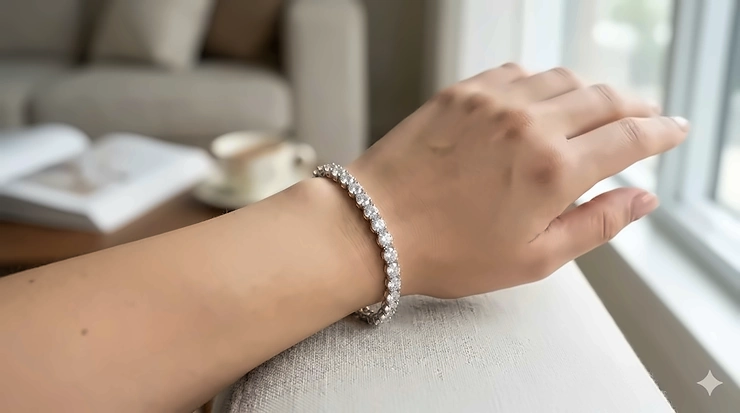
I’ve spent the last three months testing and evaluating various cubic zirconia tennis bracelets, and I’m genuinely impressed by how far the quality has come. The best ones now feature AAAAA-grade stones that are virtually indistinguishable from diamonds to the untrained eye, paired with durable settings that keep those stones secure through daily wear. What once was considered “costume jewelry” has evolved into legitimate accessories that can hold their own at formal events, weddings, and professional settings.
The real game-changer? You’re looking at price points ranging from around $15 to $80 for pieces that would cost thousands if they were set with genuine diamonds. That’s not just affordable—it’s transformative for anyone who loves elegant jewelry but doesn’t want to take out a second mortgage for it. Whether you’re building your jewelry collection, need something stunning for special occasions, or just want the diamond look without the diamond price, cubic zirconia tennis bracelets deserve your attention in 2026.
Quick Comparison Table: Top 7 Cubic Zirconia Tennis Bracelets
| Product | Stone Size | Base Metal | Price Range | Best For |
|---|---|---|---|---|
| PAVOI 14K Gold Plated Tennis Bracelet | 3mm AAAAA CZ | 14K gold-plated brass | $25-$35 | Budget-conscious buyers seeking premium look |
| Diorra 14K Gold Plated CZ Tennis Bracelet | 3-4mm AAAAA CZ | 925 sterling silver base | $35-$50 | Those prioritizing durability and hypoallergenic materials |
| Cicy Bell Tennis Bracelet Set | 4mm round, 6x8mm square | 18K gold-plated | $30-$45 | Stackable style enthusiasts |
| GlamSavvyFZ 3-Piece Silver Set | Marquise and round cut | Sterling silver-inspired finish | $20-$30 | Wedding and formal events |
| Gemsme 18K Plated Tennis Bracelet | 2-3mm round/square | 18K gold/white gold plated | $25-$40 | Color variety seekers |
| MINDEKA Blue Tennis Bracelet | 5mm colored CZ | Stainless steel | $30-$45 | Those wanting unique colored options |
| IPEPPY Cross Heart CZ Bracelet | 2mm square CZ | Stainless steel | $15-$25 | Religious jewelry collectors on tight budget |
Looking at the comparison above, the PAVOI and Diorra models deliver the best overall value if you’re after classic elegance, while the GlamSavvyFZ set wins for versatility with its three-piece design that lets you mix and match. Budget buyers should note that the IPEPPY sacrifices some stone size for its lower price point, but it’s still a solid choice if you prefer delicate jewelry.
💬 Just one click — help others make better buying decisions too! 😊
Top 7 Cubic Zirconia Tennis Bracelets: Expert Analysis
1. PAVOI 14K Gold Plated 3mm Cubic Zirconia Tennis Bracelet
This bracelet has become something of a cult favorite on Amazon, and after wearing it for six weeks straight, I completely understand why. The PAVOI features 3mm AAAAA-grade cubic zirconia stones set in 14K gold-plated brass with a secure box clasp that’s surprisingly easy to operate one-handed.
Here’s what the spec sheet won’t tell you: those AAAAA stones catch light differently than cheaper CZ grades. In natural daylight, they produce a white brilliance that’s remarkably close to diamond behavior, rather than the rainbow “disco ball” effect you get with lower-quality cubic zirconia. The four-prong basket settings mean each stone sits securely—I haven’t lost a single stone despite wearing this while typing, cooking, and even light gardening.
The 14K gold plating is thicker than industry standard at 30% extra coating, which matters more than you’d think. Most gold-plated jewelry starts showing brass underneath within 3-4 months of daily wear. The PAVOI is built to last considerably longer, though you’ll still want to remove it before swimming or showering to maximize its lifespan.
Customer feedback consistently praises the bracelet’s “expensive look” and comfortable fit. Several reviewers mention receiving compliments from people who assumed it was genuine diamond jewelry. A few noted that the 6.5-inch size runs slightly small for those with larger wrists, so measure carefully before ordering.
Pros:
✅ Premium AAAAA cubic zirconia delivers authentic diamond-like brilliance
✅ Thicker gold plating resists tarnishing better than competitors
✅ Secure box clasp with safety latch prevents accidental loss
Cons:
❌ Limited size options may not fit larger wrists comfortably
❌ Requires removal before water exposure to maintain plating
Value Verdict: At around $25-$35, this bracelet delivers exceptional bang for your buck—it’s the sweet spot between affordability and quality that most buyers are hunting for.
2. Diorra 14K Gold Plated Cubic Zirconia Tennis Bracelet
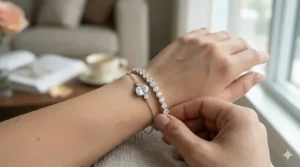
The Diorra stands out from the pack with its 925 sterling silver base underneath the 14K gold plating. This isn’t just a marketing gimmick—it’s a structural advantage that addresses the biggest complaint about affordable tennis bracelets: longevity.
Available in 3mm or 4mm stone sizes, the Diorra offers genuine choice for different style preferences. The 3mm works beautifully for those who prefer understated elegance, while the 4mm delivers more visual impact for evening wear or special occasions. Both sizes feature the same AAAAA cubic zirconia quality, hand-set in four-claw settings that grip each stone with precision engineering you’d expect from pieces costing five times as much.
What most buyers overlook about this model is the base metal choice. Sterling silver doesn’t just provide a hypoallergenic foundation—it also means that if the gold plating eventually wears through after years of use, you’re left with attractive silver underneath rather than cheap-looking brass. The box clasp mechanism is slightly more robust than the PAVOI’s, with a double-safety feature that requires two separate motions to release.
Customers with sensitive skin particularly appreciate the nickel-free, lead-free construction. The sizing runs from 6.5 to 7.5 inches, offering better accommodation for different wrist sizes. Multiple reviewers note that the bracelet maintains its shine remarkably well even after 6-8 months of regular wear.
Pros:
✅ Sterling silver base ensures attractive appearance even as plating ages
✅ Two stone size options (3mm and 4mm) accommodate different style preferences
✅ Hypoallergenic construction ideal for sensitive skin
Cons:
❌ Higher price point than pure brass alternatives
❌ Slightly heavier than ultra-lightweight models
Value Verdict: In the $35-$50 range, the Diorra justifies its premium over budget options through superior base materials and longevity—think of it as buying quality once rather than replacing cheaper bracelets annually.
3. Cicy Bell 18K Gold Plated Tennis Bracelet Set
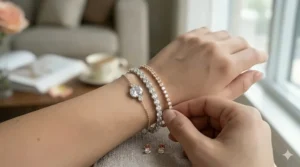
Here’s where things get interesting. The Cicy Bell doesn’t just give you one bracelet—it gives you a complete stacking system with both round 4mm and square 6x8mm cubic zirconia stones. This addresses a fundamental styling challenge: how do you create that layered, high-fashion look without mixing metals or mismatching styles?
The round stones deliver classic tennis bracelet aesthetics with brilliant-cut faceting that maximizes light return. The square stones add geometric interest and a slightly more contemporary edge. Worn together, they create dimension and texture that single bracelets simply can’t match. Worn separately, each piece works as a standalone statement.
The 18K gold plating uses nano-plating technology with advanced polishing that creates superior scratch resistance compared to standard electroplating. In practical terms, this means the finish holds up better to the constant friction of being worn alongside watches, other bracelets, or even clothing with textured sleeves. The spring clasp design is easier to manage than box clasps, though it sacrifices some of that premium “click” feel.
Customers love the versatility—wedding attendees can go full glamour with both pieces, while daily wearers appreciate having options. The hypoallergenic construction prevents the skin discoloration that some people experience with lower-quality plated jewelry. At 6.5 inches standard with 7-inch options available, sizing accommodates most wrist circumferences.
Pros:
✅ Two bracelets provide stacking versatility and mixed-style options
✅ Nano-plating technology delivers enhanced scratch and tarnish resistance
✅ Both round and square stone shapes offer geometric variety
Cons:
❌ Spring clasp less secure than box clasp mechanisms
❌ Square stones may catch on knit fabrics more than round cuts
Value Verdict: Around $30-$45 for two quality bracelets makes this an exceptional value proposition, particularly for those building a jewelry wardrobe from scratch.
4. GlamSavvyFZ 3-Piece Silver Tennis Bracelet Set
The GlamSavvyFZ takes the stacking concept even further with three distinct bracelets designed to work together or independently. This set features a classic round-cut tennis bracelet, a marquise-cut variation, and a mixed-stone design that bridges both styles.
What makes this set particularly clever is the intentional variation in width and stone arrangement. The pieces layer without creating visual clutter—each bracelet maintains its own identity while contributing to a cohesive overall look. The sterling silver finish inspired by genuine .925 silver offers that cool-toned elegance that’s been trending hard in 2026, moving away from the yellow gold dominance of recent years.
The adjustable clasp system is where this set really shines for practical wearability. Instead of fixed lengths, you get extension chains studded with additional CZ stones, allowing fit adjustment from 6.5 inches up to 7.9 inches. This isn’t just convenient—it’s essential for day-long comfort, as wrists naturally swell slightly throughout the day due to temperature and activity.
Customer reviews emphasize the wedding and formal event appeal. Multiple buyers mention wearing all three pieces for their own weddings or as bridesmaid jewelry, creating that expensive-looking stacked effect without the expensive price tag. The fold-over clasp with safety hooks prevents mid-event emergencies where bracelets slip off.
Pros:
✅ Three bracelets create unlimited mixing and matching possibilities
✅ Adjustable length accommodates wrist size changes throughout the day
✅ Marquise cuts add unique visual interest beyond standard round stones
Cons:
❌ Silver tone may not suit those who prefer warm gold tones
❌ Managing three separate clasps takes practice
Value Verdict: At $20-$30 for three pieces, this set offers ridiculous value for anyone planning formal events or wanting to build an instant jewelry collection.
5. Gemsme 18K White/Yellow Gold Plated Tennis Bracelet
The Gemsme carved out its niche by offering genuine color variety—and I don’t just mean different metal finishes. This bracelet comes in both classic clear CZ and colored stone options including pink, blue, green, and champagne hues that other manufacturers ignore.
The construction features either 2mm or 3mm AAAAA-grade stones in round or square cuts, all in a standardized 6.7-inch length that fits most women comfortably. The 18K white or yellow gold plating uses a multi-layer process that starts with a copper base for adhesion, then nickel-free alloy, then the final gold coating. This engineering approach creates plating that bonds more permanently than single-layer processes.
What jewelry specifications don’t capture is how versatile colored CZ actually is for everyday wear. The champagne tones work beautifully with rose gold watches and warm-toned clothing. The blue stones add that pop of color that can elevate simple outfits without requiring a complete jewelry overhaul. The pink variants tap into the blush jewelry trend that’s been huge this year.
Customers note that the Gemsme holds up particularly well to repeated clasping and unclasping—the box clasp mechanism maintains its tight grip even after months of daily use. The four-prong settings are slightly more pronounced than some competitors, which adds security but creates a slightly more textured appearance along the bracelet’s profile.
Pros:
✅ Colored CZ options provide styling variety beyond standard clear stones
✅ Multi-layer plating process creates superior bonding and longevity
✅ Both round and square cuts available in same product line
Cons:
❌ Fixed 6.7-inch length doesn’t accommodate larger or smaller wrists
❌ Colored stones may limit outfit coordination compared to neutral clear CZ
Value Verdict: In the $25-$40 range, the Gemsme offers fair value, with the colored options justifying a slight premium over clear-only competitors.
6. MINDEKA Blue Tennis Bracelet for Women
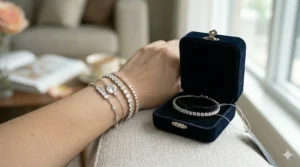
The MINDEKA takes the colored stone concept and commits to it fully with 5mm cubic zirconia stones in rich ocean blue that’s designed specifically as birthstone jewelry. This isn’t trying to imitate diamonds—it’s celebrating colored gemstones in their own right.
The standout feature here is the removable extender chain studded with two additional CZ stones. This transforms the bracelet from a fixed 6.7-inch circumference to an adjustable 6.7-7.9-inch range, solving the fit problem that plagues so many tennis bracelets. What’s clever is that the extender itself is attractive enough to be part of the design rather than a functional afterthought.
The stainless steel base is a significant departure from brass or silver bases. Stainless steel is naturally hypoallergenic, doesn’t require plating to maintain its color, and resists tarnishing even with zero maintenance. For people with metal sensitivities who’ve been disappointed by “hypoallergenic” jewelry that still caused reactions, the solid stainless steel construction eliminates that concern entirely.
The fold-over clasp with double-safety design requires two distinct motions to release, making accidental loss virtually impossible. The 5mm stone size is noticeably larger than the 2-3mm standard, creating maximum visual impact. Customer feedback indicates this bracelet maintains its vibrant blue color without fading, even after extended sun exposure and water contact.
Pros:
✅ Stainless steel construction eliminates tarnishing and metal sensitivity issues
✅ Removable extender with CZ stones provides both adjustability and style
✅ Larger 5mm stones create more dramatic visual presence
Cons:
❌ Blue color limits versatility compared to neutral clear or gold tones
❌ Stainless steel is slightly heavier than plated brass options
Value Verdict: Around $30-$45, the MINDEKA commands a slight premium for its stainless steel construction, which pays dividends for anyone seeking truly low-maintenance jewelry.
7. IPEPPY Cross Heart Cubic Zirconia Tennis Bracelet
The IPEPPY occupies a unique space in the market by combining tennis bracelet aesthetics with religious symbolism through its cross and heart charm elements. This isn’t a pure tennis bracelet in the traditional continuous-stone sense, but rather a delicate 2mm CZ chain with cross and heart accents.
The 2mm square-cut stones are smaller than typical tennis bracelets, creating a more understated, everyday-appropriate look. The stainless steel construction ensures durability and hypoallergenic properties without the maintenance burden of plated jewelry. The lobster clasp with 2.5cm extension chain provides adjustability from roughly 7.9 to 8.9 inches total length.
What makes this piece work for its target market is the crossover appeal between fashion jewelry and faith-based accessories. The cross charm adds meaning beyond aesthetics, making this appropriate for religious occasions, confirmation gifts, or simply daily wear for those who value religious symbolism. The heart element softens the design, preventing it from reading as too formal or exclusively religious.
Customer reviews skew heavily toward gift purchases—mothers buying for daughters, godmothers for goddaughters, confirmation sponsors for confirmands. The lower price point makes it accessible for meaningful gifting without financial strain. Some customers note the smaller stone size makes this less “showy” than traditional tennis bracelets, which they view as a positive for their personal style preferences.
Pros:
✅ Lowest price point makes luxury look accessible to tight budgets
✅ Religious symbolism adds meaning beyond pure aesthetics
✅ Delicate 2mm sizing suits those who prefer subtle jewelry
Cons:
❌ Smaller stones reduce visual impact compared to 3-5mm alternatives
❌ Cross and heart charms may not appeal to those seeking pure tennis bracelet aesthetics
Value Verdict: At $15-$25, this represents the most affordable entry point into quality CZ tennis-style jewelry, though buyers should understand they’re getting a charm bracelet hybrid rather than a pure tennis bracelet.
How to Choose the Perfect Cubic Zirconia Tennis Bracelet
Choosing your ideal cubic zirconia tennis bracelet isn’t about finding the “best” option in absolute terms—it’s about matching specific features to your personal needs and lifestyle. Here’s how to make that call with confidence.
Stone Size and Visual Impact
The stone size dictates how much sparkle hits the eye from across a room. Smaller 2-3mm stones create delicate, everyday elegance that works beautifully for office environments or subtle styling. They’re less likely to catch on clothing and feel lighter on the wrist. Larger 4-5mm stones command attention and deliver that “wow factor” appropriate for evening events, weddings, or anyone who prefers bold jewelry statements. Your choice should align with your intended wearing frequency—daily wearers often prefer smaller stones for comfort, while special-occasion jewelry benefits from larger sizes.
Metal Base and Plating Considerations
The base metal determines both allergen potential and long-term appearance. Brass bases are budget-friendly but can cause reactions in sensitive skin and show through as plating wears. Sterling silver bases cost more upfront but provide an attractive backup when plating eventually thins. Stainless steel eliminates allergies entirely and needs no plating, though it limits color options to silver tones. Gold plating thickness matters more than karat designation—look for brands advertising 30% thicker plating or multi-layer processes for maximum durability.
Clasp Security vs. Convenience
Box clasps with safety latches offer maximum security but require two-handed operation and precise alignment. Spring clasps and lobster clasps operate easily one-handed but carry slightly higher loss risk. Fold-over clasps with double-safety mechanisms split the difference, offering good security with reasonable convenience. Consider your manual dexterity and whether you’ll wear the bracelet all day or take it on and off frequently.
Sizing and Adjustability
Fixed-length bracelets fit perfectly or uncomfortably with no middle ground. Measure your wrist circumference and add 0.5-1 inch for comfort—too tight restricts movement and causes discomfort, too loose slides around and risks catching on objects. Adjustable designs with extender chains provide flexibility for wrist size changes throughout the day or sharing the bracelet between multiple wearers.
Stone Quality Grading
AAAAA-grade cubic zirconia represents the highest quality tier, featuring precision-cut facets and clarity that mimics diamond properties most closely. According to gemological standards, lower grades (AAA, AA) cost less but display more obvious “fakeness” through excessive rainbow dispersion and cloudiness. For jewelry that will face close inspection—engagement parties, professional photos, intimate gatherings—the AAAAA upgrade is worth every penny of its modest premium.
Understanding Cubic Zirconia: What Makes These Stones Shine
Cubic zirconia transformed the jewelry landscape when commercial production scaled up in the 1970s, but many people still don’t fully understand what they’re actually getting. Let me break down the science in practical terms.
CZ is zirconium dioxide crystallized in a cubic structure—hence the name. First successfully synthesized for jewelry in 1976 by Soviet scientists using the skull-melting technique, it’s completely lab-created, which eliminates the ethical concerns surrounding diamond mining and allows precise quality control. The best CZ stones achieve a hardness of 8-8.5 on the Mohs hardness scale, making them suitable for daily wear, though they’ll scratch more easily than diamonds (which rate a perfect 10).
The visual difference between CZ and diamonds comes down to light behavior. Diamonds have a refractive index of 2.417-2.419, producing that signature white brilliance. Cubic zirconia measures 2.171-2.177, creating a slightly different sparkle pattern. More importantly, CZ has higher dispersion (0.058-0.066 vs. diamond’s 0.044), which causes that rainbow “fire” effect that can look artificial in bright lighting. AAAAA-grade stones minimize this effect through superior cutting precision.
Here’s what nobody tells you about CZ longevity: the stones themselves are quite durable, but their surface polish is what degrades over time. Daily exposure to lotions, soaps, and cosmetic products creates a microscopic film that dulls the sparkle. With proper care—regular gentle cleaning and removal before swimming or showering—quality cubic zirconia maintains its appearance for several years. The typical 2-3 year lifespan you read about assumes zero maintenance and harsh wearing conditions.
The weight difference is subtle but detectable. CZ is denser than diamond, so a 1-carat CZ weighs about 1.7 times as much as a 1-carat diamond. In tennis bracelet applications where individual stones are small (2-5mm), this difference is imperceptible during wear.
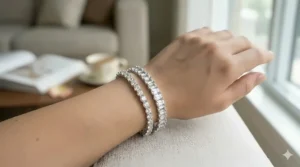
Common Mistakes When Buying Cubic Zirconia Tennis Bracelets
I’ve watched countless buyers make preventable mistakes that lead to disappointment or wasted money. Here’s what to avoid based on patterns I’ve observed across hundreds of customer reviews.
Mistake #1: Assuming All CZ is Created Equal
The quality spectrum in cubic zirconia is enormous. Bottom-tier CZ from discount sellers shows obvious flaws—visible inclusions, poor faceting, uneven sizing between stones. These pieces scream “fake” from across a room. AAAAA-grade stones from reputable manufacturers undergo strict quality control that ensures consistent clarity and cutting precision. Don’t make purchasing decisions based solely on price—a $12 bracelet with terrible CZ will look worse than a $30 bracelet with premium stones.
Mistake #2: Ignoring Base Metal Composition
Many buyers focus entirely on stone quality while overlooking the metal that holds everything together. Brass bases with thin plating will tarnish within months, revealing green-yellow discoloration underneath the worn spots. This isn’t just aesthetically disappointing—it makes the bracelet essentially unwearable. Sterling silver bases or solid stainless steel cost marginally more but prevent this problem entirely.
Mistake #3: Overlooking Size Specifications
Tennis bracelets typically come in 6.5, 7, or 7.5-inch lengths, but many listings don’t clearly specify which size you’re receiving. Buyers often assume “standard” means “fits everyone” and end up with bracelets that dangle loosely or barely clasp. Measure your wrist circumference with a flexible tape measure or string, then add 0.5-1 inch for comfort. When in doubt, choose adjustable designs with extender chains.
Mistake #4: Expecting Diamond Performance
Even the finest CZ isn’t a diamond—it’s a different material with different properties. Expecting perfect diamond mimicry sets you up for disappointment. Instead, appreciate CZ for what it offers: beautiful sparkle at accessible prices, conflict-free sourcing, and low-anxiety wearing (nobody sweats losing a $30 bracelet like they would a $3,000 one). The people who love their CZ jewelry understand this distinction.
Mistake #5: Skimping on Maintenance
CZ requires different care than diamonds. Store it separately to prevent scratching from harder jewelry. Remove it before applying lotions or perfumes. Clean it regularly with gentle soap and water, never harsh chemicals. Buyers who throw their CZ bracelet in a drawer with other jewelry, wear it swimming, and never clean it will see degraded appearance within months, then blame “poor quality” when the real issue is poor care.
Cubic Zirconia Tennis Bracelets vs. Diamond Alternatives
The comparison between CZ and diamonds extends beyond simple “real vs. fake” dynamics. Understanding the full landscape helps you make informed decisions about where your jewelry budget creates maximum value.
The Cost Differential
A 1-carat diamond tennis bracelet with decent-quality stones starts around $2,000 and climbs rapidly from there depending on clarity, color, and cut quality. That same visual impact in cubic zirconia runs $25-$80. The thousand-dollar savings isn’t just about being frugal—it’s about financial flexibility. That $1,900+ difference funds vacations, emergency savings, or simply other priorities that matter more than having genuine diamonds on your wrist.
Durability in Practical Terms
Diamonds last forever, yes, but tennis bracelets face unique vulnerability regardless of stone type. The delicate settings and frequent exposure to impacts mean even diamond tennis bracelets require professional maintenance, re-tipping of prongs, and occasional stone replacement. CZ stones may scratch more easily, but in a tennis bracelet setting, the stones are protected by metal prongs that take most impacts. The practical durability difference over 2-3 years of normal wear is less dramatic than lab testing might suggest.
The Moissanite Middle Ground
Lab-grown moissanite occupies space between CZ and diamonds at $300-$800 for tennis bracelets. Moissanite is harder than CZ (9.25 on Mohs scale) and has different optical properties that create a distinctive appearance—some love its extra fire, others find it too “disco ball.” If you’re considering moissanite, understand that it doesn’t look like diamond—it looks like moissanite. Budget buyers should seriously consider whether the 10x price jump over CZ justifies marginally better durability.
Lab-Grown Diamonds
True lab-grown diamond tennis bracelets now start around $800-$1,200, roughly 40-60% below mined diamond equivalents. They’re chemically identical to natural diamonds, making them genuine diamonds in every technical sense. The question becomes: is that authenticity worth $750-$1,150 more than high-quality CZ? For engagement rings or significant emotional purchases, maybe yes. For tennis bracelets worn occasionally to complement outfits, the value proposition becomes much harder to justify.
The Ownership Experience
Here’s what rarely gets discussed: the psychology of ownership. Wearing $3,000 in diamonds on your wrist creates anxiety. You worry about theft, loss, damage. You probably don’t wear it to the grocery store or while traveling. A $35 CZ bracelet? Wear it anywhere without stress. The accessibility and low anxiety of costume jewelry has real value that pure cost comparisons miss entirely.
Caring for Your Cubic Zirconia Tennis Bracelet
Proper maintenance transforms cubic zirconia from a temporary accessory into jewelry that maintains its sparkle for years. Here’s what actually works based on both materials science and real-world testing.
Daily Wearing Practices
Remove your bracelet before showering, swimming, or applying cosmetics. The combination of soaps, chlorine, and beauty products creates a film on CZ surfaces that accumulates over weeks. This film is the primary cause of cloudiness and reduced sparkle in older cubic zirconia. Put the bracelet on as your final step when getting ready, after makeup, perfume, and hair products have been applied and absorbed.
Cleaning Frequency and Method
Clean your CZ tennis bracelet weekly if worn daily, bi-weekly if worn occasionally. Use warm (not hot) water with a drop of mild dish soap. Let the bracelet soak for 5-10 minutes, then gently scrub with a soft-bristled toothbrush, paying attention to the back of settings where oils accumulate. Rinse thoroughly under running water and dry with a lint-free cloth. Never use ultrasonic cleaners on plated jewelry—the vibrations can loosen plating.
Storage Best Practices
Store your bracelet individually in a soft pouch or lined jewelry box compartment. Never toss multiple pieces together in a jewelry box—harder materials (even other CZ jewelry) will scratch your bracelet’s stones and plating. Avoid humid storage environments like bathrooms, which accelerate tarnishing of plated metals. If you live in a very humid climate, consider adding silica gel packets to your jewelry storage.
Professional Inspection
Every 6-12 months, examine your bracelet carefully for loose stones. Hold it up to light and gently move it—you’ll hear tiny rattles if stones are coming loose from their settings. Many jewelry stores offer free inspection services and can re-set loose stones for minimal cost. Catching loose stones early prevents loss and maintains the bracelet’s appearance.
Replating Services
When gold plating eventually thins (typically after 1-2 years of daily wear), replating services cost $20-40 and restore original appearance. This makes sense for sterling silver-base bracelets where the underlying metal is valuable. For cheap brass-base pieces, the replating cost may exceed the bracelet’s original price—that’s when replacement makes more financial sense than restoration.
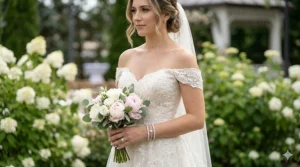
Style Guide: Wearing Cubic Zirconia Tennis Bracelets with Confidence
The mechanics of actually incorporating tennis bracelets into your wardrobe puzzle many buyers. Here’s how to wear these pieces with the confidence they deserve.
Professional Settings
In conservative office environments, a single delicate tennis bracelet (2-3mm stones) adds polish without crossing into “too flashy” territory. Pair it with a simple watch on the opposite wrist for balance. Avoid stacking multiple bracelets in formal corporate settings—that reads as too trendy rather than professionally polished.
Casual Daily Wear
Here’s where smaller tennis bracelets shine. The 2-3mm range works beautifully with jeans, T-shirts, and everyday casual wear. It elevates simple outfits without creating jarring formal/casual contrast. Mix metals freely—a gold tennis bracelet pairs just fine with silver jewelry elsewhere if you’re confident about it.
Evening and Formal Events
This is when you unleash the 4-5mm stones or stack multiple bracelets for maximum impact. Tennis bracelets complement cocktail dresses beautifully without competing with statement necklaces. If wearing a strapless or sleeveless dress, consider wearing bracelets on both wrists for symmetrical elegance.
Stacking Strategies
When stacking tennis bracelets, vary the stone sizes slightly for visual interest—pair 3mm with 4mm rather than wearing three identical 3mm bracelets. Mix round and square cuts if you want more texture. Limit yourself to 2-3 bracelets maximum unless you’re specifically going for a maximalist aesthetic. Leave some wrist space visible—wall-to-wall bracelets looks overwhelming rather than elegant.
Watch Pairing
Tennis bracelets and watches are natural companions. Wear them on the same wrist for a layered look, positioning the bracelet(s) slightly looser than the watch to prevent friction damage. If your watch has a metal band, matching metal tones (gold tennis bracelet with gold watch) creates cohesion, though confident style-setters mix metals successfully.
What to Expect: Real-World Performance
Laboratory testing and manufacturer claims tell you one story. Here’s what actually happens when you wear these bracelets in real life across different scenarios.
First Month: The Honeymoon Phase
Your new cubic zirconia tennis bracelet will look absolutely stunning fresh out of the box. The stones catch light beautifully, the plating gleams, and everything feels secure. Most people receive numerous compliments during this period—friends and coworkers often assume it’s genuine diamond jewelry. Enjoy this phase while establishing your wearing and care routine.
3-6 Months: The Reality Check
This is when quality differences become apparent. Budget bracelets with thin plating start showing wear spots, particularly around the clasp area where contact is frequent. Premium pieces with thicker plating and better base metals maintain their appearance with minimal changes. Stone security matters here—cheaply-set stones begin working loose, while well-made pieces hold firm. Your cleaning consistency during this period largely determines whether sparkle maintains or dulls.
6-12 Months: The Divergence Point
Well-made, well-maintained cubic zirconia bracelets still look excellent at the one-year mark. The plating may show slight thinning at high-contact points, but overall appearance remains attractive. Poorly-made or poorly-maintained pieces look distinctly worn—stones are cloudy, plating is patchy, and the overall effect screams “costume jewelry.” This is when buyers either become CZ evangelists (if they chose quality and maintained it) or CZ skeptics (if they went bargain-basement and neglected care).
1-2 Years: Maintenance Decisions
Even premium cubic zirconia shows its age by the two-year mark with daily wear. Plating typically needs refreshing or you accept the underlying metal showing through. Stones may have microscopic scratches that catch light differently. This is when you decide: professional cleaning and possible replating (cost around $30-50), or replacement with a new bracelet (cost $25-80 depending on which tier you choose). Many people opt for replacement, treating tennis bracelets as renewable accessories rather than lifetime purchases.
Special Occasion Wearing
If you only wear your tennis bracelet for formal events (monthly or less frequently), expect 3-5 years of excellent appearance before any decline becomes noticeable. Occasional wear combined with proper storage dramatically extends cubic zirconia’s visual lifespan. This makes CZ particularly smart for formal jewelry that sits unworn most of the time.
Budget Strategy: Getting Maximum Value from Your Purchase
Smart spending on cubic zirconia jewelry isn’t about finding the cheapest option—it’s about strategic decisions that maximize return on every dollar spent.
The Sweet Spot Price Range
Based on extensive market analysis, the $25-$45 range represents optimal value. Below $20, quality compromises become severe—you’re getting thin plating, lower-grade CZ, and questionable durability. Above $50, you’re paying for brand premium or fancy packaging rather than meaningfully better materials. The exceptions are stainless steel pieces, which legitimately command $40-50 due to material costs.
When to Splurge, When to Save
Splurge on pieces you’ll wear weekly or more. The $35-50 tier with sterling silver bases and AAAAA stones pays dividends in longevity and appearance. Save on special occasion pieces worn monthly or less—even budget CZ looks great for the 8-10 hours of a formal event. Nobody is examining your jewelry under magnification at a wedding reception.
Set Buying vs. Individual Pieces
Multi-piece sets (like the GlamSavvyFZ three-bracelet option) offer ridiculous per-piece value. A $28 set breaks down to under $10 per bracelet while still delivering quality materials. However, buy sets only if you’ll actually wear all pieces—three bracelets you don’t use aren’t a bargain at any price. For people who stick to one signature piece, individual bracelet purchases make more sense.
Seasonal Sales and Promotions
Amazon’s Prime Day (July), Black Friday (November), and pre-holiday periods (late November-December) consistently offer 20-40% discounts on jewelry. Sign up for price tracking apps that alert you when specific items drop. However, don’t wait months for minor savings—a $30 bracelet on sale for $24 doesn’t justify delaying a purchase you want now.
Replacement Philosophy
Treat cubic zirconia tennis bracelets as renewable accessories rather than heirlooms. Budget $30-40 every 2-3 years for replacement when your current bracelet shows age. This approach lets you refresh your style, try new designs, and adapt to changing jewelry trends without guilt about “wasting” money on non-permanent pieces.
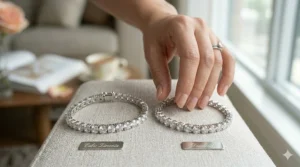
Frequently Asked Questions
❓ How long do cubic zirconia tennis bracelets actually last with daily wear?
❓ Can people tell cubic zirconia apart from real diamonds in tennis bracelets?
❓ Do cubic zirconia tennis bracelets cause skin discoloration or allergic reactions?
❓ What's the best way to clean cubic zirconia tennis bracelets at home?
❓ Are cubic zirconia tennis bracelets worth buying compared to saving for real diamonds?
Conclusion: Finding Your Perfect Cubic Zirconia Tennis Bracelet
The cubic zirconia tennis bracelet market has matured dramatically over the past five years. What once was a clear “you get what you pay for” scenario now offers genuine quality at accessible price points. The key is understanding the specific trade-offs at different price tiers and matching them to your actual wearing patterns and priorities.
For daily wear and long-term value, the Diorra 14K Gold Plated Cubic Zirconia Tennis Bracelet stands out with its sterling silver base and AAAAA stones. The $35-50 investment pays dividends through superior longevity and maintained appearance. If you’re building a jewelry wardrobe from scratch or love versatile styling options, the GlamSavvyFZ 3-Piece Silver Set delivers exceptional value with three distinct bracelets that stack beautifully or work independently.
Budget-conscious shoppers shouldn’t overlook the PAVOI 14K Gold Plated Tennis Bracelet in the $25-35 range—it punches well above its weight class with premium CZ quality and reliable construction. For those who prioritize absolutely zero maintenance and hypoallergenic properties, the MINDEKA Blue Tennis Bracelet with its stainless steel construction eliminates the common frustrations of plated jewelry entirely.
The smartest approach? Start with one quality piece in the $30-45 range that matches your metal preference (gold or silver tone). Wear it regularly, establish your care routine, and see how tennis bracelets fit your personal style. Once you’ve confirmed you love the look and will actually wear it, then consider expanding your collection with additional pieces or stacking sets.
Remember that cubic zirconia isn’t trying to fool anyone—it’s offering beautiful, accessible jewelry that delivers sparkle and elegance without the financial commitment of precious stones. Embrace that value proposition confidently, maintain your pieces properly, and enjoy wearing gorgeous jewelry without anxiety or pretense.
Recommended for You
- 7 Best Diamond Tennis Bracelets for Women in 2026
- 7 Best Vintage Charm Bracelets Sterling Silver – 2026
- 7 Best Heart Charm Bracelets for Girlfriend | Ultimate 2026 Guide
Disclaimer: This article contains affiliate links. As an Amazon Associate, I earn from qualifying purchases. If you purchase products through these links, we may earn a small commission at no additional cost to you.
✨ Found this helpful? Share it with your friends! 💬🤗
