

In This Article
Somewhere between your grandmother’s jewelry box and a Reddit thread about chronic wrist pain, the copper bracelet has quietly refused to die. It has survived decades of skepticism, a small mountain of clinical trials that mostly shrugged, and roughly a billion Instagram ads promising “instant relief.” And yet here you are, reading copper bracelet for arthritis pain reviews because your knuckles ache in the morning and you’re curious whether a $20 piece of metal could actually help.
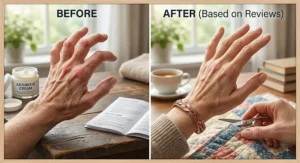
We’re not going to blow smoke. This guide pulls from real product listings, real aggregated review sentiment across thousands of buyers, and the actual peer-reviewed research on copper and magnetic therapy — including the well-known randomized trial that found no measurable benefit beyond placebo. What is copper bracelet for arthritis pain therapy, in plain terms? It’s the practice of wearing a copper (sometimes copper-plus-magnet) band against the skin, based on a folk belief that copper ions absorbed through sweat ease joint inflammation — a theory with some lab-level plausibility but no confirmed clinical payoff.
So why does this guide exist if the science is shaky? Because people keep buying these things, wearing them daily, and reporting — rightly or through placebo — real improvements in how their joints feel. Below, you’ll get seven specific, currently-sold products spanning budget to premium, honest pros and cons, and a framework for deciding whether copper bracelet for joint pain reviews are worth your money or your wrist space.
Quick Comparison Table
| Product | Style | Price Range | Best For |
|---|---|---|---|
| Sabona Original Copper Bracelet | Classic link cuff, no magnets | $25-$35 range | Traditionalists wanting the “original” heritage brand |
| MagnetRX EllipseMAX Copper Magnetic Bracelet | Copper + 5,000 gauss magnets | $30-$45 range | Buyers who want magnetic therapy stacked on copper |
| Feraco Pure Copper Magnetic Bracelet for Men | Copper + neodymium magnets | Under $25 | Budget-conscious first-timers |
| John S. Brana Hammered Copper Cuff | Handmade artisan cuff, no magnets | $30-$40 range | Buyers who want quality craftsmanship over gimmicks |
| DEMMEX Pure Hammered Turkish Copper Cuff | Thick uncoated artisan cuff | $30-$45 range | Women wanting a statement-piece daily wear bracelet |
| ClipGrip Tibetan-Style Copper Cuff (2-Pack) | Raw hammered copper, adjustable | Under $20 | Households wanting his-and-hers or backup pieces |
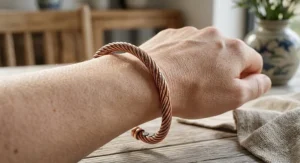
| Sergio Lub Handcrafted Copper Bracelet | Woven multi-strand copper | $25-$40 range | Buyers wanting jewelry-grade design with copper contact |
A quick scan of that table tells most of the story: this category splits cleanly into “magnetic-plus-copper” bracelets chasing a double-therapy effect and “pure copper, no gimmicks” cuffs that lean on craftsmanship and simplicity. Neither camp has a randomized trial in its corner, but the pure-copper pieces tend to win on comfort and skin contact surface area, while the magnetic hybrids appeal to buyers who want to hedge their bets across two folk remedies at once. Price doesn’t track quality here the way it might with electronics — a $15 stamped bracelet and a $40 handmade cuff can both be 99.9% copper, so the premium usually buys you thickness, finish, and a lower chance of fast tarnishing rather than a “stronger” therapeutic effect.
💬 Already have a favorite from the table above? Scroll down to its full breakdown — or keep reading for the science that actually backs (or doesn’t back) any of this.
Top 7 Copper Bracelets for Arthritis: Expert Analysis
1. Sabona Original Copper Bracelet — the heritage brand that started the category
Founded in 1959, Sabona is arguably the reason “copper bracelet” and “arthritis” became linked in the popular imagination in the first place, and the Sabona Original Copper Bracelet is still the brand’s flagship, no-magnet, link-cuff design. It’s a solid copper band with a silver-plated clasp, sized from small (5.5″) through 2XL (7.5″), designed to sit snugly against the wrist so the metal maintains constant skin contact. Sabona’s own literature leans on decades-old research from University of Akron chemist Helmar Dollwet and the Walker and Keats studies on dermal copper assimilation — work we’ll unpack later in this guide, because it’s more nuanced than the marketing copy suggests.
What most buyers overlook about this model is that its main advantage isn’t potency — it’s consistency. Because Sabona has manufactured essentially the same design for over six decades, the fit, sizing, and copper purity are more predictable than newer market entrants that swap suppliers frequently. This makes it a reasonable pick for someone who wants the “original” experience without wading through unfamiliar overseas brands. Reviewers consistently report satisfaction with the clasp mechanism and the way the band sits flush against the wrist, though a subset of buyers have flagged concerns about whether every unit is genuinely solid copper throughout, with a few describing a core material beneath the copper surface after breakage — worth knowing before you buy from third-party sellers rather than the official Sabona storefront.
Pros:
- ✅ Six-decade manufacturing history with predictable sizing
- ✅ Snug link design maximizes skin contact
- ✅ Comes in five wrist sizes for a real custom fit
Cons:
- ❌ A few buyers report core-material concerns on broken units
- ❌ No magnetic option in this specific model
Priced around $25-$35 depending on retailer, the Sabona Original Copper Bracelet sits in the mid-range of this category — you’re paying a small premium for brand history rather than raw material cost, and for buyers who want the “classic” version of this product, that premium feels reasonable.
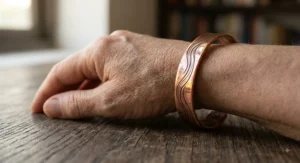
2. MagnetRX EllipseMAX Copper Magnetic Bracelet — strongest magnet strength in this lineup
The MagnetRX EllipseMAX Copper Magnetic Bracelet pairs a copper band with what the brand lists as 5,000-gauss neodymium magnets, making it one of the stronger magnetic options among mainstream copper-magnetic hybrids. The EllipseMAX design uses a smooth, low-profile magnet housing rather than visible bulky discs, which matters more than it sounds — bulkier magnetic bracelets tend to catch on sleeves and gym equipment, and reviewers of competing bulky designs frequently cite that as their top complaint.
Here’s what to weigh: stacking magnetic therapy onto copper therapy doesn’t double your odds of relief, because neither mechanism has strong trial support on its own — but it does double the number of “maybe this is why it’s helping” variables if you do feel a difference, which some buyers find reassuring rather than confusing. Reviewers consistently note comfort during extended daily wear and describe the adjustable clasp as easy to resize without tools. A recurring aggregated complaint across MagnetRX’s magnetic bracelet line involves the plating wearing thin faster than buyers expect on models with a decorative outer finish, so buyers specifically wanting maximum copper-skin contact should double-check whether a given MagnetRX SKU is plated or solid.
Pros:
- ✅ Among the higher gauss-strength magnets in this category
- ✅ Low-profile housing avoids snagging on clothing
- ✅ Tool-free adjustable clasp for quick resizing
Cons:
- ❌ Some SKUs are plated rather than solid copper
- ❌ Magnet strength claims aren’t independently lab-verified
In the $30-$45 range, the MagnetRX EllipseMAX Copper Magnetic Bracelet is a fair value pick specifically for buyers who’ve already decided they want a magnetic-plus-copper combo rather than pure copper alone.
3. Feraco Pure Copper Magnetic Bracelet for Men — most affordable magnetic-copper hybrid
Feraco has built an entire sub-category on Amazon around affordable copper-magnetic jewelry, and the Feraco Pure Copper Magnetic Bracelet for Men is the brand’s most reviewed entry point, typically listed at 99.99% pure copper with a double row of embedded neodymium magnets rated around 3,500-3,800 gauss depending on the specific listing. The eagle-pattern and fold-over clasp variants are the most common styles, and the adjustable sizing tool included in the box is a small but genuinely useful touch for a product in this price bracket.
Based on the spec comparison against pricier competitors, the honest takeaway is that Feraco’s magnet strength numbers land in a similar range to brands charging nearly double, which makes this a legitimate budget pick rather than a stripped-down compromise. What the spec sheet won’t tell you, but aggregated reviewer sentiment suggests, is that the copper finish on these entry-level pieces tends to darken and patina faster than thicker artisan cuffs — some buyers see this as an authenticity signal (real copper oxidizes), while others find the maintenance mildly annoying. Reviewers frequently mention this as their go-to gift purchase for older relatives specifically because of the price point, which lowers the emotional stakes of “trying something that might not work.”
Pros:
- ✅ Competitive magnet strength at a fraction of premium pricing
- ✅ Includes a free sizing/adjustment tool
- ✅ Multiple pattern and clasp style options
Cons:
- ❌ Patina develops faster than thicker artisan cuffs
- ❌ Sizing runs slightly large per aggregated reviewer notes
At under $25, the Feraco Pure Copper Magnetic Bracelet for Men is the easiest entry point in this roundup if you want to test the category without much financial commitment.
4. John S. Brana Hammered Copper Cuff Bracelet — best craftsmanship, handmade in the USA
Handmade personally in a San Francisco studio, the John S. Brana Hammered Copper Cuff Bracelet is 100% uncoated solid copper — no plating, no magnets, no marketing gimmicks, just 20-gauge copper hammered into a textured cuff and backed by a lifetime cleaning-and-polishing guarantee from the designer himself. This is the product in our lineup that leans hardest into “jewelry first, therapy second,” and that framing matters for buyers who’ve grown tired of overtly medical-looking wellness jewelry.
What stands out here isn’t a specific health claim — Brana’s listings don’t lean on arthritis marketing nearly as hard as the magnetic brands do — it’s the material integrity. Solid 20-gauge uncoated copper means maximum surface area is genuinine copper touching skin, which is the exact mechanism the dermal-absorption research (more on that below) actually studied, as opposed to a thin copper-plated alloy. Reviewers consistently praise the hand-finished texture and the lifetime guarantee, which is a meaningfully longer commitment than most jewelry brands in this price range offer. The tradeoff is size — a fixed 6.5-inch circumference with adjustment room, which works for most adult wrists but isn’t as forgiving as fully adjustable designs for very small or very large wrists.
Pros:
- ✅ 100% solid uncoated copper, no plating shortcuts
- ✅ Handmade in the USA with a lifetime polish guarantee
- ✅ Textured hammered finish resists showing scratches
Cons:
- ❌ Limited adjustability compared to open-cuff designs
- ❌ No magnetic option for buyers who want that combo
Around $30-$40, the John S. Brana Hammered Copper Cuff Bracelet commands artisan-jewelry pricing rather than wellness-product pricing, and for buyers prioritizing material purity and craftsmanship over marketing claims, that trade-off makes sense.
5. DEMMEX Pure Hammered Turkish Copper Cuff — thickest, most substantial cuff for women
Handcrafted in Turkey, the DEMMEX Pure Hammered Turkish Copper Cuff is built from 1.5mm-thick high-gauge uncoated copper — noticeably heavier and more substantial than the average stamped copper bracelet, and marketed specifically toward women who want a statement-width cuff (roughly 1.6 inches wide) rather than a thin band. Like the Brana cuff, it’s non-magnetic and leans on pure material contact rather than combined therapies.
Based on the spec comparison, thickness is actually a meaningful variable here in a way marketing rarely explains: a thicker gauge means slower tarnishing, more durability against daily bumps, and — if you subscribe to the dermal-absorption theory at all — simply more copper mass available to interact with skin and sweat over time. Aggregated reviewer sentiment is mixed on the health-claim front specifically; one frequently cited review candidly states the bracelet didn’t relieve pain for that buyer, which is a useful, honest data point rather than a flaw to hide — it lines up with what the controlled research shows about inconsistent individual response. On the craftsmanship side, reviewers are far more uniformly positive, repeatedly praising the adjustable fit and the wooden gift box presentation.
Pros:
- ✅ Thick 1.5mm gauge outlasts thinner stamped bracelets
- ✅ Fully adjustable, one-size-fits-most design
- ✅ Presented in a wooden gift box, ideal for gifting
Cons:
- ❌ At least one prominent review reports no pain relief
- ❌ Wide cuff style may not suit smaller wrists comfortably
In the $30-$45 range, the DEMMEX Pure Hammered Turkish Copper Cuff earns its price through material thickness and finish quality rather than any therapeutic guarantee — treat the wellness angle as a bonus, not the reason to buy.

6. ClipGrip Tibetan-Style Copper Cuff (2-Pack) — best value for trying two styles at once
The ClipGrip Tibetan-Style Copper Cuff ships as a two-pack of raw, uncoated, hammered copper bangles in the Tibetan cuff style, adjustable and marketed for both men and women. Because it’s sold as a pair rather than a single piece, it’s the natural pick for anyone who wants to compare a slightly different weight or finish side-by-side, or who wants a backup for when one bracelet needs a break to air out and re-develop its patina.
Here’s what most buyers overlook about multi-packs in this category: variability. Because raw uncoated copper reacts individually to each wearer’s skin chemistry and sweat composition, having two bracelets from the same production batch lets you directly compare comfort and darkening speed on the same wrist over the same weeks — a small but genuinely useful experiment most single-bracelet buyers never get to run. Reviewers frequently mention gifting the second piece to a family member, effectively splitting the already-low per-unit cost. The trade-off for that value is finish consistency; raw uncoated cuffs in this bracket sometimes show minor tooling marks that thicker artisan pieces sand away.
Pros:
- ✅ Two bracelets for a lower per-unit cost than most singles
- ✅ Raw uncoated copper for maximum skin contact
- ✅ Easy to compare fit and patina development side-by-side
Cons:
- ❌ Finish is less refined than premium single-piece cuffs
- ❌ Adjustable band may loosen faster with frequent resizing
Typically under $20 for the pair, the ClipGrip Tibetan-Style Copper Cuff is the best per-dollar way to sample this category before committing to a pricier single bracelet.
7. Sergio Lub Handcrafted Copper Bracelet — most jewelry-forward design
Sergio Lub has spent decades building a reputation in the copper jewelry space around woven, multi-strand cuff designs that read more as fine jewelry than as a wellness accessory, and the brand’s handcrafted copper bracelets remain a recognizable name for buyers who’ve shopped this category before. The woven-strand construction distributes copper across multiple thin bands rather than one solid cuff, which changes the wearing experience noticeably — more flexible, more form-fitting, less rigid than a single hammered band.
What stands out analytically is the surface-area trade-off: multiple thin woven strands actually expose comparable — sometimes greater — total copper surface area to skin than a single thick cuff, even though the bracelet looks more delicate. For buyers specifically chasing the dermal-contact theory, that’s a detail worth knowing rather than assuming “thicker equals more contact.” Reviewers consistently single out the design as a differentiator from the more utilitarian, medical-looking bracelets elsewhere in this roundup, describing it as something they’d wear even if they weren’t managing joint discomfort — which matters for long-term daily-wear compliance, since a bracelet you’re proud to wear is one you’ll actually keep on.
Pros:
- ✅ Woven design maximizes skin contact without bulk
- ✅ Reads as fine jewelry rather than medical accessory
- ✅ Long-standing brand reputation in copper jewelry specifically
Cons:
- ❌ Thin woven strands may be less durable long-term than solid cuffs
- ❌ Premium design commands premium pricing versus basic cuffs
At $25-$40 depending on the specific weave and finish, the Sergio Lub Handcrafted Copper Bracelet is the pick for buyers who want their arthritis-adjacent purchase to double as everyday jewelry, not just a wellness tool.
Top 7 Products: Full Comparison Table
| Product | Material | Magnets | Adjustable | Price Range | Best For |
|---|---|---|---|---|---|
| Sabona Original Copper Bracelet | Solid copper, silver clasp | No | Sized S-2XL | $25-$35 range | Heritage brand loyalists |
| MagnetRX EllipseMAX Copper Magnetic Bracelet | Copper + neodymium | ~5,000 gauss | Yes | $30-$45 range | Magnetic-plus-copper seekers |
| Feraco Pure Copper Magnetic Bracelet for Men | 99.99% copper | ~3,500-3,800 gauss | Yes | Under $25 | Budget first-timers |
| John S. Brana Hammered Copper Cuff | 100% uncoated solid copper | No | Fixed size, cuff opening | $30-$40 range | Craftsmanship-focused buyers |
| DEMMEX Pure Hammered Turkish Copper Cuff | 1.5mm uncoated copper | No | Yes | $30-$45 range | Women wanting statement width |
| ClipGrip Tibetan-Style Copper Cuff (2-Pack) | Raw uncoated copper | No | Yes | Under $20 | Value / side-by-side testing |
| Sergio Lub Handcrafted Copper Bracelet | Woven copper strands | No | Semi-flexible fit | $25-$40 range | Jewelry-forward daily wear |
Looking at the table, the split between magnetic and non-magnetic options really is the main decision fork for most shoppers, more than brand name or price point. The MagnetRX EllipseMAX and Feraco models suit buyers who like the idea of layering two unproven-but-popular remedies, while John S. Brana, DEMMEX, and Sergio Lub appeal to people who want pure copper contact and don’t want their bracelet to look like a medical device. Budget-focused shoppers gravitate toward Feraco or the ClipGrip two-pack, both under $25, while anyone prioritizing material thickness and durability should look at DEMMEX or Brana first.
🔍 Compare Prices Before You Commit
Take your search for arthritis-friendly jewelry to the next level by checking current pricing and availability on any of the seven picks above. Click through on a highlighted product to see today’s listing, real buyer photos, and the most recent review activity before you decide.
Copper Bracelets vs. Traditional Pain-Relief Alternatives
| Approach | Upfront Cost | Ongoing Cost | Evidence Strength | Best For |
|---|---|---|---|---|
| Copper/magnetic bracelet | $15-$45 one-time | None | Weak — RCTs show no benefit beyond placebo | Low-risk daily habit, symbolic ritual |
| Topical NSAID gel | $10-$20 per tube | Recurring | Moderate — supported by multiple trials | Localized flare-ups |
| Oral NSAIDs | $5-$15 per bottle | Recurring | Strong — well-established for OA/RA pain | Short-term, doctor-guided flare control |
| Physical therapy / exercise | Varies, often insurance-covered | Recurring sessions | Strong — consistently reduces stiffness and improves function | Long-term joint health, mobility |
The honest analysis here is unglamorous: copper and magnetic bracelets sit at the bottom of the evidence ladder compared to NSAID gels, oral medication, and physical therapy, all of which have real trial data behind them for arthritis symptom management. That doesn’t automatically make a bracelet worthless — it costs little, carries almost no side-effect risk for most wearers, and some people genuinely report feeling better while wearing one, even if the mechanism is placebo or simply the psychological comfort of “doing something.” Where a bracelet clearly loses is as a replacement for anything on this list rather than a low-stakes addition alongside it.
Practical Usage Guide: Getting the Most Out of Your Copper Bracelet
Buying the bracelet is the easy part — how you wear it actually affects both comfort and, if the dermal-contact theory has any truth to it, potential exposure. Fit matters more than most buyers expect: a copper bracelet worn loose barely touches skin during movement, while one worn snug (but not tight enough to leave marks) maintains the sweat contact that theories like Walker and Keats’ actually depend on. Most brands, including Sabona and DEMMEX, recommend measuring your wrist and sizing slightly smaller than a typical fashion bracelet for this reason.
In the first 30 days, expect visible darkening or a green-tinted patina, especially on uncoated pieces like the John S. Brana or ClipGrip cuffs — this is a normal oxidation reaction with skin oils and sweat, not a sign of a defective product, and it can be polished off with a soft cloth and mild soap if you prefer the bright look. A common mistake is wearing the bracelet in the shower or pool daily; chlorine and harsh soaps accelerate tarnishing and can degrade any magnet housing on hybrid models. For maintenance, a simple lemon-juice-and-salt polish restores shine on solid copper pieces every few weeks, and swapping wrists occasionally reduces localized skin sensitivity for people prone to mild copper-related discoloration.
Real-World Scenario: Who Actually Reaches for a Copper Bracelet
Picture three different buyers, because the “right” pick genuinely depends on who’s wearing it. First, there’s the retired warehouse worker in his sixties with mild osteoarthritis in both hands, budget-conscious and skeptical of “wellness fads” but willing to try something under $25 — he’s a strong match for the Feraco Pure Copper Magnetic Bracelet, which lets him test the category without much financial risk. Second, there’s the 34-year-old office worker managing early wrist stiffness from years of typing, who wants something she’d wear to work without it looking medical — the Sergio Lub Handcrafted Copper Bracelet or DEMMEX cuff fits that brief far better than a chunky magnetic band.
Third, consider the caregiver shopping for an 80-year-old parent with rheumatoid arthritis and a lifelong fondness for “the original” remedies she remembers from decades past — the Sabona Original Copper Bracelet taps directly into that nostalgia and heritage-brand trust, which matters as much as any spec sheet for that particular buyer. None of these three scenarios assumes the bracelet will meaningfully change clinical outcomes; each one is really about matching lifestyle, budget, and personal history to a low-risk purchase decision.
How to Choose a Copper Bracelet for Arthritis Pain
- Decide on magnetic vs. non-magnetic first. This is the single biggest fork in the category — magnetic hybrids like MagnetRX and Feraco appeal to buyers wanting a “double therapy” feel, while pure copper cuffs like Brana and DEMMEX maximize simplicity and skin contact.
- Prioritize copper purity over decoration. Look for “99.9% pure” or “uncoated solid copper” language rather than “copper-tone” or “copper-plated,” since plating wears thin and reduces any dermal-contact benefit.
- Match thickness to your lifestyle. Thicker cuffs like DEMMEX resist daily wear and tear better; thinner woven designs like Sergio Lub flex more comfortably for active hands.
- Get the sizing right. A snug, adjustable fit beats a loose fashion fit for this specific use case — check whether the listing includes a sizing tool, as Feraco and several DEMMEX SKUs do.
- Set realistic expectations before you buy. Based on the spec comparison and the research below, treat this as a low-cost, low-risk daily habit rather than a medical treatment, and you’ll judge the purchase fairly regardless of outcome.
- Check the return policy. Because individual response varies so widely, brands with generous return windows (several listings note 30-60 day guarantees) reduce your downside if the bracelet simply isn’t for you.
- Read the aggregated reviews, not just the star average. A 4.3-star rating built on “beautiful design” comments tells a different story than one built on “helped my pain” comments — read a sample of the actual text.
What to Expect: Real-World Performance
Translating specs into daily experience: most wearers report that a well-fitted copper bracelet is genuinely unnoticeable after the first week — it becomes background jewelry rather than a constant reminder of joint pain, which some people find psychologically helpful in its own right. Expect skin discoloration (a greenish tint) under the band within days to weeks if you’re prone to it; this is copper reacting with sweat, not an allergic reaction for most people, though a small percentage do experience genuine skin irritation and should discontinue use.
On the pain-relief front specifically, aggregated review sentiment across this category is consistently split roughly down the middle — a meaningful share of wearers report subjective improvement in morning stiffness or ache, typically after two to four weeks of consistent daily wear, while another substantial share report no noticeable change at all. That split maps closely onto what the controlled research (detailed below) predicts: individual, inconsistent response with no reliable population-level effect. If you do notice improvement, honesty compels us to note that the same controlled trials that tested copper bracelets found placebo devices producing comparable improvement rates — which doesn’t mean your relief isn’t real to you, only that the bracelet itself likely isn’t the mechanism.
Copper Bracelets for Seniors and Long-Term Wearers
For older adults managing chronic joint conditions, the calculus around copper bracelets shifts slightly. Skin becomes thinner and more reactive with age, so sizing and finish matter even more — a rough or overly tight cuff can cause real irritation on fragile skin, which is one reason handmade pieces like John S. Brana and DEMMEX, both known for smooth hand-finishing, tend to draw fewer irritation complaints than mass-stamped budget bands. Grip and dexterity also matter for this audience: clasp-free adjustable cuffs are generally easier to put on and remove one-handed than bracelets with small fold-over clasps, which can frustrate wearers with their own hand arthritis — a genuinely ironic design flaw worth flagging before you buy a clasp-style bracelet as a gift.
For seniors on blood thinners or with a history of metal sensitivities, a quick check-in with a physician or pharmacist before adding any new daily-wear item is reasonable, not because copper is dangerous, but because any new skin-contact product deserves that basic diligence for someone managing multiple health conditions at once.
Common Mistakes When Buying a Copper Bracelet for Joint Pain
Expecting overnight results tops the list — nearly every credible aggregated review pattern shows gradual, subtle reported changes over weeks, not dramatic relief within days, and buyers who expect instant results are the most likely to leave frustrated one-star reviews regardless of the product’s actual quality. A second common mistake is buying based on magnet strength alone, treating “5,000 gauss” as a meaningful medical spec when, per the research discussed below, no controlled study has established a dose-response relationship between magnet strength and pain outcomes in humans.
Sizing mistakes are the third big pitfall: ordering a loose, fashion-fit bracelet defeats the entire premise of skin-contact theories, yet it’s an extremely common error since most shoppers size jewelry by comfort rather than snugness. Finally, some buyers fixate on price as a quality signal, assuming a $45 bracelet must work better than a $15 one — but as our product breakdown shows, price in this category tracks material thickness, finish, and brand heritage far more than any therapeutic advantage.
Copper Ion Absorption: What the Research Actually Shows
This is the heart of copper bracelet for arthritis pain reviews, and it deserves a straight answer instead of marketing spin. The foundational research often cited by brands traces back to work by W.R. Walker and D.M. Keats in the 1970s, who studied dermal assimilation of copper in arthritic and rheumatoid patients and found that bracelets lost measurable weight — an average of roughly 13 milligrams of copper per month in one frequently cited figure — suggesting copper was dissolving into sweat and potentially entering the skin. That’s a real, measurable physical phenomenon, not folklore.
Where the science gets murkier is the leap from “copper dissolves into sweat” to “this measurably relieves arthritis pain.” According to the Wilson Disease Association’s clinical review, laboratory diffusion-chamber studies suggest only a small fraction of surface copper — roughly 0.3% from solution and far less from dry contact — actually penetrates intact skin, and it remains unclear precisely how much reaches the bloodstream in real-world wearing conditions. Later dermal-penetration research, including work published in the journal Skin Pharmacology and Physiology, confirmed copper can diffuse into the outer skin layer (the stratum corneum) but stopped short of proving therapeutically meaningful systemic absorption. The most cited pushback comes from a randomized, placebo-controlled crossover trial led by Stewart Richmond at the University of York, described in Arthritis Foundation coverage of the research, which found that neither magnetic wrist straps nor copper bracelets outperformed a placebo device for reducing pain or stiffness in osteoarthritis or rheumatoid arthritis patients.
Here’s the honest synthesis: the dermal-absorption mechanism is real at a chemical level — copper genuinely leaves the bracelet and genuinely reaches skin — but the best-controlled clinical trials to date haven’t been able to translate that into a reliable, population-level pain-relief effect. Individual results vary widely, and that variance is consistent with a placebo-driven or highly individual response rather than a proven pharmacological one.
Magnetic Therapy Claims: Separating Marketing from Evidence
Magnetic therapy claims attached to hybrid bracelets like the MagnetRX EllipseMAX and Feraco models typically center on improved circulation and reduced inflammation, theorized to occur when static magnetic fields interact with iron in the blood or nerve signaling near the skin. It’s an appealing mechanism on paper — and it’s also the exact claim that has been most directly tested and most consistently unsupported in controlled research.
A systematic review and meta-analysis of randomized trials on static magnets for pain, along with the same University of York crossover trial referenced above, found no consistent evidence that magnetic bracelets reduce pain beyond what a placebo device achieves. That doesn’t mean magnetic bracelets are a scam in the legal sense — reputable brands generally avoid explicit medical claims and instead use softer language like “may help” or “many wearers report,” which is accurate marketing given the actual evidence base, even if it invites optimistic assumptions from shoppers skimming product titles. What most buyers overlook is that “thousands of positive customer reviews,” which several brands cite as evidence, is not the same thing as a controlled trial — enthusiastic testimonials are exactly what you’d expect from a placebo-responsive product regardless of whether it works pharmacologically.
💬 Just one click — help others make better buying decisions too!😊
Joint Inflammation: What Actually Reduces It (and Where Bracelets Fit In)
Joint inflammation in osteoarthritis and rheumatoid arthritis involves distinct biological processes — mechanical wear-and-tear cartilage breakdown in the former, autoimmune-driven synovial inflammation in the latter — and treatments with the strongest evidence base target those processes directly. NSAIDs reduce prostaglandin-driven inflammation systemically; physical therapy improves joint mechanics and reduces mechanical inflammatory triggers; for RA specifically, disease-modifying drugs prescribed by a rheumatologist address the underlying immune process in ways no piece of jewelry can.
Where does a copper bracelet fit into that picture, honestly? At best, as a low-cost, low-risk daily ritual that some wearers associate with feeling more in control of a chronic condition — a genuinely valuable psychological effect even without a proven biochemical one. At worst, as a distraction that delays someone from pursuing treatments with actual evidence behind them, which is why every reputable source, including bracelet manufacturers’ own fine print, recommends treating this as a complement to medical care, never a replacement for it.
Long-Term Cost & Maintenance
Run the numbers and copper bracelets are one of the cheapest ongoing “treatments” a person with joint pain could try: a single $20-$45 purchase with no recurring cost, versus NSAID gels or oral medication that recur monthly and add up to hundreds of dollars a year. Maintenance costs are close to zero — a soft cloth, mild soap, and occasional lemon-juice polish keep most solid copper pieces functional for years, and even magnetic hybrids rarely need anything beyond basic cleaning since the magnets are sealed inside the housing on quality products like MagnetRX and Feraco.
The real long-term cost consideration isn’t dollars — it’s opportunity cost. If a bracelet becomes someone’s primary or sole strategy for managing arthritis pain, the “savings” versus evidence-based treatment options can be a false economy if joint damage progresses untreated. Used as a genuinely low-cost addition alongside medical care, though, the total cost of ownership here is about as low-risk as any product in the entire wellness category.
Buyer’s Decision Framework
If you want the lowest financial risk to simply try the category, choose a budget pure-copper or basic magnetic option like Feraco or the ClipGrip two-pack, because you’re testing a hypothesis, not making a long-term jewelry investment. If you want a piece you’d wear even if it did nothing for your joints, choose a design-forward option like Sergio Lub or DEMMEX, because daily-wear compliance improves dramatically when you actually like how something looks. If you specifically want the “classic” heritage experience with predictable sizing and history behind the brand, Sabona remains the most direct route to that.
If you’re buying as a gift for an older relative with dexterity concerns, prioritize clasp-free adjustable cuffs like DEMMEX or John S. Brana over fold-over clasp designs. And if your joint pain is moderate to severe, or you’re managing a diagnosed condition like rheumatoid arthritis rather than mild stiffness, treat any bracelet purchase as a supplement to your physician-guided treatment plan, not a substitute for it — that’s not a hedge, it’s simply what the evidence supports.
Safety, Regulation, and Compliance Guide
Copper and magnetic bracelets are sold as jewelry, not medical devices, in the United States, which means they are not subject to FDA efficacy review the way a prescription arthritis treatment would be — a distinction most product listings disclose in fine print, as required. That’s not a hidden scandal; it’s the correct regulatory category for a product without clinical-trial-backed medical claims, and reputable sellers are careful to use language like “may help” rather than “treats” or “cures” for exactly this reason.
From a physical safety standpoint, copper bracelets carry low risk for most wearers — the main documented issues are skin discoloration (harmless, reversible) and, less commonly, contact irritation in people with existing metal sensitivities. Magnetic bracelets carry one specific and important safety note: anyone with a pacemaker, implanted defibrillator, or similar medical device should consult their doctor before wearing strong magnets near the chest or wrist, since interference, while rare with wrist-worn strength magnets, is a documented theoretical concern worth ruling out individually rather than assuming away.
Features That Actually Matter (And Those That Don’t)
Copper purity percentage matters — 99.9% pure copper genuinely differs from a copper-tone alloy in both appearance and any theoretical dermal-contact benefit. Fit and adjustability matter, for the reasons covered in the usage guide above. Brand transparency about magnet gauge and copper content matters, because it signals a seller willing to be checked against real specs rather than vague marketing.
What doesn’t matter nearly as much as marketing suggests: exact gauss ratings above roughly 3,000, since no clinical evidence establishes a meaningful dose-response threshold for magnet strength on human pain perception. “Number of magnets” as a standalone spec is similarly more marketing than mechanism — six small magnets versus two larger ones haven’t been shown to produce meaningfully different outcomes in the available research. And phrases like “clinically proven” on a product listing deserve real skepticism unless the listing links to an actual study, which most in this category do not.

Frequently Asked Questions
❓ Do copper bracelets really help with arthritis pain?
❓ Which wrist should you wear a copper bracelet on for arthritis?
❓ Why does a copper bracelet turn skin green?
❓ Is a magnetic copper bracelet better than a plain copper one for joint pain?
❓ How long does it take for a copper bracelet to show results, if any?
Conclusion
If you’ve made it this far through the copper bracelet for arthritis pain reviews, you already have more information than the vast majority of shoppers browsing this category on gut instinct alone. The honest bottom line: the science hasn’t caught up to the folklore, with the best-controlled trials showing no reliable advantage over a placebo device, yet the category remains genuinely low-cost and low-risk enough that trying one isn’t an irrational decision, provided you don’t let it replace evidence-based care for a real diagnosed condition.
Among the seven products covered here, your best fit depends entirely on what you’re actually optimizing for — budget experimentation points toward Feraco or the ClipGrip two-pack, craftsmanship and material purity point toward John S. Brana or DEMMEX, heritage and brand trust point toward Sabona, magnetic-plus-copper hedging points toward MagnetRX, and design-forward daily wear points toward Sergio Lub. Whichever you choose, wear it with realistic expectations, keep up with whatever your doctor or physical therapist actually recommends, and let the bracelet be a small comfort rather than your whole strategy.
✨ Ready to Try One for Yourself?
🔍 Compare today’s pricing and availability on any of the seven picks above before you decide — check current listings, recent reviews, and sizing details to find your best match for daily, comfortable wear.
Recommended for You
- Titanium Bracelet for Metal Allergies: 7 Best Picks for 2026
- 7 Best Two-Tone Gold Bracelets for Small Wrists (2026)
- 14k Gold Bracelet vs Gold Vermeil: 7 Picks Compared (2026)
Disclaimer: This article contains affiliate links. As an Amazon Associate, I earn from qualifying purchases. If you purchase products through these links, we may earn a small commission at no additional cost to you.
✨ Found this helpful? Share it with your friends! 💬🤗
