
In This Article
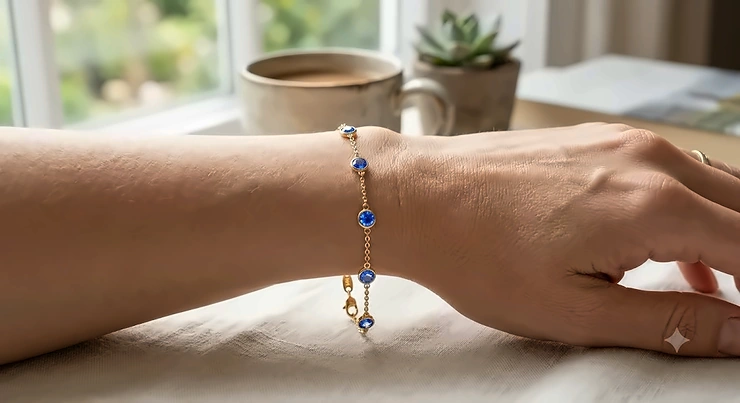
If you were born sometime between the last gasp of summer and the first cool morning of fall, you already know the drill: everyone else gets peridot or ruby, and you get the gem that basically invented the color blue. september birthstone sapphire bracelets are having a real moment in 2026, and honestly, it’s about time. Sapphire is one of the “big three” colored gemstones alongside ruby and emerald, prized for a deep blue that photographs better than it even looks in person — and it looks incredible in person. What is a september birthstone sapphire bracelet? It’s a bracelet, natural or lab-created, set with blue (or occasionally pink, yellow, or white) sapphire, worn to represent a September birthday or simply because that color is genuinely gorgeous.
This guide isn’t a rewritten product listing. It’s built from real specs, real aggregated review sentiment, and a decade’s worth of “wait, is this actually a good deal” questions that most affiliate posts never bother answering. We researched seven actual products — spanning $40 charm sets to four-figure natural gemstone tennis bracelets — so you can figure out which one fits your wrist, your budget, and your reason for buying. Whether you’re shopping sapphire gemstone gifts for a September-born partner or just want september birthday bracelets for yourself, we’ll walk through what the spec sheets actually mean, what reviewers consistently say, and where the marketing overpromises.
Prices below are shown as ranges only, since Amazon pricing shifts constantly — always check the current price on the product page before buying.
Quick Comparison Table
| Bracelet | Style | Price Range | Best For |
|---|---|---|---|
| Angara Natural Blue Sapphire Tennis Bracelet | Natural, 14K rose gold | $1,200–$2,000 range | Buyers who want a genuine gemstone heirloom |
| Angara Sapphire and Diamond Tennis Bracelet | Natural sapphire + diamond, 14K rose gold | $1,600–$2,600 range | Anniversary or milestone gifting |
| Ross-Simons Sapphire and Diamond Tennis Bracelet | Sapphire + diamond, 18kt gold over sterling | Mid-$300s to mid-$500s range | The look of fine jewelry on a tighter budget |
| Gem Stone King Sapphire and Lab-Grown Diamond Bracelet | Lab-created sapphire, sterling silver | Around $100–$180 | Adjustable everyday sparkle |
| Gem And Harmony Lab-Created Sapphire Bracelet | Lab-created, sterling silver tennis style | Under $150 | High carat weight on a budget |
| B. Brilliant Sterling Silver Gemstone Tennis Bracelet | Genuine or simulated, sterling silver | Under $100 | First-time sapphire buyers |
| SEVENWELL September Birthstone Charm Bracelet | Charm/bead style, sterling silver | Under $30 | Small, low-pressure gifts |
Looking at the spread above, the gap between the Angara Natural Blue Sapphire Tennis Bracelet and the SEVENWELL September Birthstone Charm Bracelet isn’t really about quality — it’s about what “sapphire” is doing in each piece. On one end you have mined gemstones set in solid gold; on the other, a small accent stone meant as an affordable birthday token. Neither is a “better” choice in a vacuum; it depends on whether you want an investment piece or a thoughtful trinket. If you’re buying for someone whose birthday is coming up fast and your budget is under $50, skip straight to the last two rows.
💬 Just one click — help others make better buying decisions too!😊
Top 7 September Birthstone Sapphire Bracelets: Expert Analysis
1. Angara Natural Blue Sapphire Tennis Bracelet — genuine mined sapphire in solid gold
This is the piece to start with if “genuine gemstone” isn’t negotiable for you. It’s built with natural blue sapphires in the AA quality grade, set in 14K rose gold, and Angara ships each one with its own Certificate of Authenticity so you’re not just trusting a product photo. Real sapphire, not lab-created, means every stone carries slight natural variation in tone — no two bracelets are identical, which honestly is part of the appeal for buyers who want something that feels one-of-one rather than mass-produced. Based on the spec comparison across Angara’s sapphire line, AA grade sits in the “top 33% of natural sapphires” tier, meaning medium-to-deep blue with visible but not distracting inclusions — a sensible middle ground rather than the ultra-rare, ultra-expensive Heirloom grade. This bracelet is for the buyer who wants a real family-heirloom-in-the-making, not a fashion accessory that gets swapped out next season. Reviewers consistently note that Angara’s customer service and authenticity documentation reduce the anxiety that usually comes with buying fine colored-stone jewelry online, though a recurring theme in feedback is that colored gemstones photograph slightly differently than they appear in daylight, so buyers are wise to view listing photos with that in mind.
Pros:
- ✅ Genuine natural sapphire with authenticity paperwork included
- ✅ Solid 14K gold setting built for decades of wear
- ✅ Each stone naturally unique in tone and character
Cons:
- ❌ Priced well above lab-created alternatives
- ❌ Natural color can look slightly different than photos suggest
At around $1,200-$2,000 depending on current stock and sizing, this is a genuine investment piece rather than a casual gift — but for a September milestone birthday, it earns its price tag.
2. Angara Sapphire and Diamond Tennis Bracelet — sapphire and diamond in an anniversary-ready design
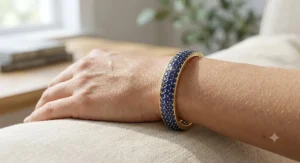
Take the same natural-sapphire foundation and add a diamond accent, and you get a bracelet built specifically around milestone occasions. Angara markets this piece toward wedding anniversaries as much as birthdays, and that dual identity makes sense: sapphire happens to be the traditional gemstone for both the 5th and 45th wedding anniversary, so this bracelet does double duty for September-born spouses. What most buyers overlook about this model is that the diamond accents aren’t just decorative filler — they increase overall sparkle and light performance in a way pure sapphire settings can’t match, since diamond has a higher refractive index and throws more white-light “fire.” The oval-cut sapphire shape referenced in Angara’s own listing maximizes light reflection compared to round cuts, which matters more than most shoppers realize when comparing two similarly priced tennis bracelets. This is the pick for someone buying a “we made it this far” gift rather than a first sapphire purchase. Aggregated buyer feedback for Angara’s tennis-bracelet line frequently praises the packaging experience and the option to size between roughly 5.5 and 8.5 inches, though a common complaint is that resizing after purchase, if needed, isn’t always straightforward.
Pros:
- ✅ Combines sapphire’s color with diamond’s brilliance
- ✅ Doubles as birthday and wedding-anniversary gift
- ✅ Adjustable sizing range for most wrist sizes
Cons:
- ❌ Sits at a premium price point near $1,600-$2,600
- ❌ Post-purchase resizing can be inconvenient
3. Ross-Simons Sapphire and Diamond Tennis Bracelet — the fine-jewelry look without the fine-jewelry price
Ross-Simons has built a decades-long reputation selling gemstone jewelry that borrows the visual language of fine jewelry — gold tones, tennis-bracelet silhouettes, diamond accents — while using 18kt gold over sterling silver rather than solid gold throughout. Here’s what to weigh: gold-over-sterling (sometimes called vermeil) gives you the warm, high-end appearance of gold at a fraction of the cost, but the plating is a thin layer, not a solid-through construction, so it can wear thinner over years of daily use compared to solid 14K gold pieces like the Angara options above. The sapphire and diamond total carat weight on pieces like this tends to land in the 6-10 carat range combined, which reads as substantial sparkle on the wrist even though individual stones are modest in size. This bracelet is for the shopper who wants something that looks and photographs like a four-figure piece at a fraction of that cost, and who’s comfortable with slightly more careful long-term maintenance in exchange. Reviewers consistently report that the sterling silver base feels solid and well-constructed, while a recurring critique in customer feedback is that gold-plated pieces can show brassing at the clasp after years of regular wear.
Pros:
- ✅ Fine-jewelry appearance at a mid-range price
- ✅ Genuine sapphire and diamond accents, not simulants
- ✅ Classic tennis-bracelet design that pairs with anything
Cons:
- ❌ Gold plating will thin with years of heavy wear
- ❌ Less durable long-term than solid gold options
Expect to pay somewhere in the mid-$300s to mid-$500s range, making it one of the better middle-ground picks on this list.
4. Gem Stone King Sapphire and Lab-Grown Diamond Bracelet — adjustable everyday sparkle
Gem Stone King specializes in accessible sterling silver gemstone jewelry, and this bracelet pairs created blue sapphire with lab-grown white diamond accents on a fully adjustable band that extends up to 9 inches. The adjustability alone solves a problem that plagues fixed-length tennis bracelets: you’re not stuck guessing your exact wrist size or paying for resizing later. Per FTC guidance on gemstone advertising, lab-created stones must be clearly labeled as such rather than sold under the unqualified name of the natural gem — and Gem Stone King does exactly that, disclosing “created sapphire” throughout its listings, which is worth noting given how many smaller sellers blur this line. On paper, this means the color and brilliance are essentially identical to mined sapphire (lab-created stones share the same optical, physical, and chemical properties as their natural counterparts), just without the geological rarity — and without the four-figure price tag. This is a strong pick for anyone who wants a genuinely eye-catching bracelet for daily wear without worrying about scratching a $1,500 investment piece. A common theme in aggregated review sentiment is satisfaction with the sparkle-to-price ratio, while some buyers note the clasp mechanism takes a bit of practice to open and close one-handed.
Pros:
- ✅ Fully adjustable sizing up to 9 inches
- ✅ Clearly disclosed lab-created sapphire, per FTC standards
- ✅ Strong sparkle-to-price ratio for daily wear
Cons:
- ❌ Clasp can be fiddly for one-handed adjustment
- ❌ Lacks the rarity value of mined sapphire
Priced in the roughly $100-$180 range, it’s a sensible middle option between charm bracelets and natural gemstone tennis bracelets.
5. Gem And Harmony Lab-Created Sapphire Bracelet — high carat weight, sterling silver build
This tennis bracelet leans into total carat weight as its selling point, featuring a combined weight in the 14-carat range across lab-created blue and white sapphires set in sterling silver on a roughly 7.25-inch band. Here’s the honest math most listings skip: because lab-created sapphire costs a fraction of mined sapphire per carat, brands like Gem And Harmony can offer noticeably higher total carat weight than a natural-stone bracelet at the same price — that’s not a trick, it’s simply how the economics of lab-grown gems work. The spec sheet won’t tell you this, but reviewers note the size and shine of these bracelets often surprise buyers who expected something more modest at this price point, given how substantial 14 carats reads visually on a tennis bracelet design. This is the pick for someone who wants maximum visual impact for a September birthday gift without spending four figures, and who isn’t fixated on “must be mined from the earth” as a requirement. A recurring point in aggregated customer sentiment is praise for the secure box clasp, alongside occasional notes that sterling silver settings need more frequent polishing than gold to avoid tarnish.
Pros:
- ✅ Substantial 14+ carat total weight for the price
- ✅ Secure box clasp praised in customer feedback
- ✅ Sterling silver base keeps cost accessible
Cons:
- ❌ Sterling silver tarnishes faster than gold
- ❌ Fixed 7.25-inch length, less flexible than adjustable styles
Typically priced under $150, this bracelet is a genuinely strong value pick if you prioritize size and sparkle over provenance.
6. B. Brilliant Sterling Silver Gemstone Tennis Bracelet — the low-risk first sapphire purchase
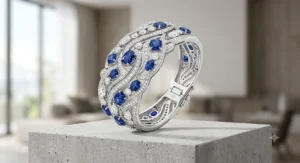
B. Brilliant occupies the entry-level tier of gemstone jewelry, offering genuine, created, or simulated gemstone tennis bracelets in sterling silver at a price where “buying it just to try it” doesn’t feel like a financial decision. What most buyers overlook here is that “entry-level” doesn’t automatically mean lower quality construction — sterling silver tennis bracelets in this tier still use prong or channel settings that hold stones securely, they just skip the premium metals and largest carat weights of pricier options. Based on the spec comparison against pricier alternatives on this list, this bracelet trades carat size and metal purity for accessibility: it’s the version you buy for a coworker’s September birthday, a stocking stuffer, or your own “why not” purchase. Reviewers consistently frame this tier as reliable for the price, while noting that stone clarity and cut precision are understandably more modest than what you’d find in the natural-sapphire pieces higher on this list.
Pros:
- ✅ Genuinely low financial commitment
- ✅ Sterling silver setting feels appropriately solid
- ✅ Works well as a casual or workplace gift
Cons:
- ❌ Stone clarity is noticeably more basic than premium tiers
- ❌ Less durable for daily wear over many years
Priced under $100, it’s a sensible low-risk way to add a sapphire piece to a jewelry collection.
7. SEVENWELL September Birthstone Charm Bracelet — the smallest, lowest-pressure gift
Rounding out the list is a charm-style option built for Pandora-compatible bracelets rather than a standalone tennis piece. The created sapphire accent here is small — a single bead or dangle charm rather than a full stone row — which makes this the pick for buyers who want to acknowledge a September birthday without committing to full fine-jewelry spending. Here’s what the spec sheet won’t spell out: charm-style birthstone pieces like this are designed to be added to an existing charm bracelet collection, so their real value is compatibility, not carat weight. It’s genuinely useful for anyone who already collects charms and just needs the September piece to complete a set, or for a first gift to someone whose jewelry taste you don’t know well yet. Aggregated reviews frequently mention the compatibility with major charm-bracelet brands as the main draw, while some buyers note the created stone is more of an accent than a focal point, which is worth setting expectations around before gifting.
Pros:
- ✅ Extremely accessible price point
- ✅ Compatible with popular charm-bracelet systems
- ✅ Low-pressure gift for casual relationships
Cons:
- ❌ Small stone size, more accent than statement
- ❌ Requires an existing charm bracelet to display fully
At under $30, this is the easiest yes on the entire list, and a smart pick when you need several small september birthday bracelets style gifts at once.
What Makes Sapphire the Perfect September Birthday Bracelets Choice
September birth month jewelry has centered on sapphire for well over a century, and the reasoning holds up better than most birthstone traditions. Sapphire belongs to the corundum mineral family, and according to Wikipedia’s overview of the mineral, it ranks 9 on the Mohs hardness scale, making it the third-hardest natural mineral behind only diamond and moissanite. That combination of durability and deep color means a sapphire bracelet can genuinely survive decades of daily wear without the surface scratching that plagues softer gemstones like opal or turquoise — and it’s exactly why september birthday bracelets built around sapphire tend to become long-term keepsakes rather than trend pieces that fade from rotation.
There’s also a practical gifting angle worth mentioning: because sapphire spans such a wide price range — from $30 charm accents to five-figure natural gemstones — it’s one of the few birthstones that genuinely scales to any budget without the recipient feeling like they got the “cheap version.” A $40 charm and a $2,000 tennis bracelet are both, honestly, sapphire. That flexibility is rare among birthstones and makes September one of the easier birth months to shop for.
Royal Blue Gemstones: Decoding Sapphire Color, Clarity and Value
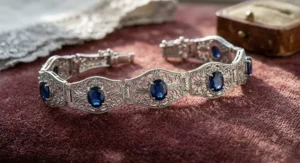
Not all blue sapphire september jewelry is created equal, and the differences aren’t always visible in a product photo. According to GIA’s sapphire quality guide, the most desirable blue sapphires fall in a fairly narrow window — a velvety, medium-to-medium-dark blue with strong, vivid color saturation rather than a pale or overly dark tone. In plain terms: the deep, almost-glowing blue people picture when they hear “royal blue gemstones” is a specific, prized combination of hue and saturation — not just “any blue stone.” Darker navy tones and grayer, washed-out blues are more common and more affordable, while that vivid, saturated middle tone commands a real premium.
Clarity works differently for sapphire than for diamonds. Most blue sapphires carry at least some natural inclusions, and stones with unusually high clarity are genuinely rare, which is part of why they command a real price premium over typical commercial-grade material. That means a natural sapphire bracelet with a few visible inclusions under magnification isn’t necessarily a lower-quality purchase — it’s simply typical for the species. What actually affects long-term value more is treatment. Heat treatment is standard and accepted throughout the trade, while lattice diffusion treatments (which add color rather than just enhance it) are generally less valuable and, per the FTC’s Jewelry Guides, sellers are required to disclose such treatments to buyers. If you’re comparing two similarly priced natural sapphire bracelets, ask the seller directly about treatment — the honest answer changes what you’re actually paying for.
How to Choose a September Birthstone Sapphire Bracelet
Cutting through seven products and a dozen specs, here’s the actual decision framework:
- Decide natural vs. lab-created first. This single choice affects price more than any other spec — natural sapphire commands a rarity premium that lab-created stones simply don’t carry, even with identical optical properties.
- Set a real budget before browsing. Sapphire bracelets span roughly $30 to well over $50,000, so browsing without a number in mind leads to sticker shock or under-shopping.
- Check the metal, not just the stone. Solid gold outlasts gold-over-sterling and sterling silver alone, but costs proportionally more — decide how many decades you need this piece to look new.
- Confirm the bracelet length and adjustability. Fixed-length tennis bracelets require a correct wrist measurement; adjustable styles remove that guesswork entirely.
- Ask about treatment disclosure. Reputable sellers state clearly whether a natural stone is heat-treated, untreated, or lattice-diffused — vague answers are a red flag.
- Match the style to how the bracelet will actually be worn. A tennis bracelet reads as an everyday statement piece; a charm accent reads as a subtle, low-key nod to the birthstone.
- Read the aggregated review sentiment, not just the star average. A 4.6-star rating built on 40 reviews about the same clasp issue tells you more than the number alone.
✨ Don’t Miss These Exclusive Deals!
🔍 Take your september birthstone sapphire bracelets search to the next level with these carefully selected picks. Click on any highlighted item to check current pricing and availability. These pieces make genuinely thoughtful sapphire gemstone gifts your favorite September-born person will actually wear!
Common Mistakes When Buying Sapphire Bracelets
The most frequent mistake buyers make is assuming “sapphire” on a listing title always means a mined, natural stone. Under FTC jewelry advertising rules, sellers are required to clearly disclose when a gemstone is lab-created rather than mined, but the disclosure isn’t always prominent, and casual shoppers skim past it. Always check the product description for words like “created,” “lab-grown,” or “simulated” before assuming you’re buying a natural stone.
A second common error is ignoring metal purity in favor of stone size. A large lab-created sapphire in thin silver-plated base metal will tarnish and discolor faster than a smaller natural stone in solid sterling silver or gold — the setting matters as much as the gem for long-term durability. Third, many buyers skip wrist measurement entirely and guess at bracelet length, which leads to returns or a bracelet that never gets worn because it’s uncomfortably tight or loose. Finally, shoppers frequently overlook aggregated review patterns around clasps and settings, focusing entirely on the stone photos — but a beautiful bracelet with a clasp that pops open during wear is a bracelet you’ll stop wearing within a month.
Sapphire Bracelets vs Diamond Tennis Bracelets
Comparing sapphire and diamond tennis bracelets side by side reveals why sapphire has carved out its own lane rather than competing head-to-head. Diamond tennis bracelets rely on colorless brilliance and light performance — cut quality drives nearly everything about how a diamond bracelet looks. Sapphire tennis bracelets, by contrast, sell on color first and sparkle second, which fundamentally changes what “quality” means when comparing two pieces.
Price behaves differently too. Colorless diamond of a given carat weight typically costs more than a comparable natural sapphire of the same size, since diamond pricing is driven by a globally standardized four-Cs grading system while colored-stone pricing is more fragmented and origin-dependent. That means a natural sapphire bracelet with genuinely impressive size can often be had for less than an equivalent diamond piece — a fact that makes sapphire an appealing choice for buyers who want visual impact without diamond-level spending. The tradeoff: diamond’s colorless brilliance photographs more consistently under different lighting, while sapphire’s color can shift subtly between daylight, indoor lighting, and camera flash. If versatility with existing gold jewelry matters most, diamond is the safer neutral; if a specific birthstone connection or a bold color statement matters more, sapphire wins outright.
Sapphire Bracelets for Virgo and Libra: What Your Zodiac Sign Says About Style
September birthdays split almost evenly between two zodiac signs, and it’s worth understanding the virgo libra birthstone connection before picking a design. Virgo runs from late August through roughly September 22, while Libra picks up from there through late October — meaning most September-born sapphire wearers are actually Virgos, with a smaller group crossing into early Libra season.
Here’s what most zodiac jewelry guides won’t tell you: Virgo and Libra don’t have their own official “zodiac gemstones” recognized industry-wide the way months have birthstones, but both signs are commonly associated with sapphire in modern astrological jewelry marketing because their birthday range overlaps almost entirely with September. Practically speaking, this means a September birthstone sapphire bracelet works as a gift regardless of which side of the Virgo-Libra split the recipient falls on — you’re covered either way, since the connection is really about the calendar month rather than the sign itself. If you want to lean further into the zodiac angle, pairing a sapphire bracelet with a small constellation or symbol charm (Virgo’s maiden glyph or Libra’s scales) adds a personal touch without overcomplicating the gift.
Long-Term Cost & Maintenance: Is a Sapphire Bracelet Worth It
Total cost of ownership looks very different depending on which tier of this list you’re considering. A natural sapphire bracelet in solid gold, like the Angara Natural Blue Sapphire Tennis Bracelet, requires almost no ongoing investment beyond occasional professional cleaning — solid gold doesn’t plate-wear, and untreated or heat-treated sapphire is exceptionally durable for daily wear. The upfront cost is the real investment; maintenance afterward is minimal.
Gold-over-sterling pieces, like the Ross-Simons Sapphire and Diamond Tennis Bracelet, sit in the middle: lower upfront cost, but the thin gold layer will eventually show wear at contact points like the clasp, meaning a possible re-plating cost down the road if you want to keep it looking new indefinitely. Sterling silver pieces, including the Gem And Harmony Lab-Created Sapphire Bracelet and B. Brilliant Sterling Silver Gemstone Tennis Bracelet, cost the least upfront but need more frequent polishing to manage natural tarnish, which is a small recurring time cost rather than a financial one. Charm-style pieces like the SEVENWELL September Birthstone Charm Bracelet carry essentially no maintenance burden given their size and low per-piece investment. Cost-per-wear is where this gets interesting: a $1,500 bracelet worn weekly for twenty years costs roughly $1.44 per wear, while a $40 charm worn occasionally may end up costing more per wear if it sits in a drawer most of the year. Frequency of actual use, not sticker price, is the real driver of long-term value here.
Features That Actually Matter (And Those That Don’t)
After comparing all seven bracelets, a few patterns emerge about what’s genuinely worth paying for versus what’s marketing noise. Carat weight and metal purity actually matter — they drive both appearance and durability in ways you’ll notice daily. Treatment disclosure matters, because it affects both value and appropriate care instructions. Clasp design matters more than most buyers expect, since a bracelet you’re afraid will fall off is a bracelet that stays in the jewelry box.
What matters less than the marketing suggests: exact carat-weight claims stacked with adjective-heavy descriptions (“dazzling,” “exquisite,” “breathtaking”) rarely correlate with actual quality — they’re standard sales copy across nearly every listing on this list and shouldn’t sway a decision on their own. Similarly, “certificate of authenticity” language is meaningful for natural gemstones from reputable sellers like Angara, but far less meaningful when attached to inexpensive lab-created pieces where authenticity of the created stone was never really in question. Focus your attention on stone type, metal, clasp quality, and genuine aggregated review themes — everything else is largely decoration.
Practical Usage Guide: Caring For and Styling Your Sapphire Bracelet
Sapphire’s Mohs hardness of 9 means it resists everyday scratching far better than softer gemstones, but “hard” doesn’t mean “indestructible,” and setting metal is often the more fragile part of the piece. In the first 30 days of wearing a new sapphire bracelet, avoid contact with lotions, perfumes, and chlorinated water — these won’t damage the sapphire itself but can dull the shine of surrounding metal and, on treated stones, occasionally affect fillers used in some treatments. Clean the bracelet with warm water, a small amount of mild soap, and a soft cloth; according to GIA’s sapphire care and cleaning guide, this method is safe for untreated, heat-treated, and lattice-diffusion-treated stones alike. Avoid ultrasonic cleaners for any bracelet with fracture-filled or dyed stones, since intense vibration can worsen existing internal fractures.
For styling, sapphire’s cool blue tone pairs naturally with silver, white gold, and platinum for a crisp, modern look, while rose gold and yellow gold settings (like the Angara Natural Blue Sapphire Tennis Bracelet) lean warmer and more traditional. A common first-30-days mistake is stacking a new sapphire tennis bracelet with several other bold pieces, which competes for attention rather than letting the color lead — most stylists recommend wearing a statement sapphire bracelet solo or with one simple complementary piece, like plain diamond studs. Store the bracelet separately from other jewelry in a soft pouch to prevent surface scratching from harder or rougher-edged pieces sharing the same drawer.
Real-World Scenarios: Matching the Right Bracelet to the Right Person
Consider three realistic buyer profiles. First, a college student with a modest budget wanting a meaningful but affordable gift for a roommate’s September birthday — the SEVENWELL September Birthstone Charm Bracelet or B. Brilliant Sterling Silver Gemstone Tennis Bracelet fits both the price ceiling and the “thoughtful but not overwhelming” tone of that relationship. Second, a professional in their late 30s shopping for their own 45th wedding anniversary — sapphire’s status as the traditional gemstone for that milestone makes the Angara Sapphire and Diamond Tennis Bracelet a genuinely meaningful choice, not just an arbitrary luxury purchase, and the price is justified by the occasion’s significance. Third, someone who wants to build a signature everyday-wear piece without locking up thousands of dollars in fine jewelry — the Gem Stone King Sapphire and Lab-Grown Diamond Bracelet, with its adjustable band and created stones, solves for daily wear without daily anxiety about scratching or losing an expensive gem.
These scenarios matter because “best sapphire bracelet” genuinely depends on context that specs alone can’t capture — budget, occasion, relationship, and how often the piece will actually leave the jewelry box all shape which of the seven options above is the right answer for a given buyer.
Problem → Solution: Fixing Common September Birthstone Bracelet Headaches
Problem: The bracelet doesn’t fit right. Fixed-length tennis bracelets are notoriously easy to mis-size when buying online. Solution: choose an adjustable option like the Gem Stone King Sapphire and Lab-Grown Diamond Bracelet, or measure your wrist with a soft tape and add half an inch before ordering a fixed-length piece.
Problem: You’re not sure if the sapphire is real. Solution: check the listing language directly — FTC rules require sellers to disclose lab-created or simulated stones clearly, so the absence of qualifying language like “created” or “lab-grown” is itself informative, though it’s always worth messaging the seller to confirm.
Problem: Sterling silver settings are tarnishing faster than expected. Solution: store the bracelet in an airtight pouch when not worn, and avoid wearing it in the shower or pool, since chlorinated water accelerates tarnish on silver specifically.
Problem: You want to gift sapphire but the recipient’s taste is unclear. Solution: default to a smaller, lower-commitment piece like the SEVENWELL September Birthstone Charm Bracelet — it signals thoughtfulness without risking a style mismatch on an expensive item.
FAQ
❓ What is the birthstone for September?
❓ Is lab-created sapphire real sapphire?
❓ How much does a sapphire bracelet cost?
❓ Can Virgo and Libra both wear September birthstone jewelry?
❓ How do you clean a sapphire bracelet at home?
Conclusion
September birthstone sapphire bracelets cover an unusually wide range for a single gemstone category — from a $30 charm that quietly nods to a birth month, to a four-figure natural gemstone tennis bracelet built to become a family heirloom. What ties all seven picks together is that sapphire genuinely earns its reputation: a Mohs hardness of 9, a color history spanning centuries of royal association, and a flexibility across price points that few other birthstones can match. The right choice here really does come down to your specific situation — natural versus lab-created, gift versus personal purchase, everyday wear versus special-occasion piece — more than any single “best overall” pick. Whichever of these seven you land on, you’re buying into one of the most durable, most recognizable colored gemstones in the entire jewelry world, and that’s a genuinely solid foundation for a gift or a personal treat.
✨ Don’t Miss These Exclusive Deals!
🔍 Ready to find your favorite from this list? Check current pricing on any of the seven picks above and treat yourself — or someone lucky enough to be born in September — to a bracelet that actually earns its birthstone status!
Recommended for You
- July Birthstone Ruby Bracelets: 7 Stunning Picks for 2026
- 7 Best June Birthstone Pearl Bracelets in 2026: Ultimate Gift Guide
- 7 Emerald Birthstone Bracelets May Buyers Will Love in 2026
Disclaimer: This article contains affiliate links. As an Amazon Associate, I earn from qualifying purchases. If you purchase products through these links, we may earn a small commission at no additional cost to you.
✨ Found this helpful? Share it with your friends! 💬🤗
