

In This Article
Here’s a scene almost everyone with a silver jewelry box has lived through: you pull out a bracelet you haven’t worn in three months, and it’s gone the color of a storm cloud. That’s tarnish — a thin layer of silver sulfide forming when silver reacts with sulfur compounds in the air, your skin, and, frankly, your life. A tarnish-resistant silver bracelet for daily wear solves this by pairing sterling silver with a protective barrier — usually rhodium — so the metal underneath stays bright without you babysitting it every week. It’s not magic, and it’s not “tarnish-proof” (that phrase should raise an eyebrow every time you see it), but it’s the closest thing to wearing silver on autopilot. I’ve spent the past few weeks digging through spec sheets, aggregated review data, and metallurgy sources to find seven real, currently available options that actually deliver on that promise — from $20 minimalist chains to sparklier statement pieces. Whether you’re buying your first tarnish-resistant silver bracelet for daily wear or replacing one that let you down, this guide walks through the honest tradeoffs: what rhodium coating does and doesn’t do, how low-maintenance silver jewelry actually behaves over a year of wear, and which of these seven pieces fits your wrist, your budget, and your patience for upkeep.
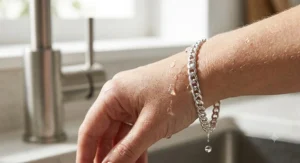
Quick Comparison Table
Before we go deep on any single piece, here’s the fast version — useful if you’re standing in a checkout line mentally narrowing things down.
| Bracelet | Style | Price Range | Best For |
|---|---|---|---|
| Miabella 3.5mm Rolo Chain | Minimalist chain | Under $60 | Everyday budget pick |
| Vanbelle Bolo Bar Bracelet | Adjustable bar | Around $25-$35 | First-time buyers |
| Filigree Bracelet, 7.25″ | Vintage-inspired | $30-$50 range | Feminine, detailed look |
| SURANO Black Rhodium CZ | Statement | $60-$90 range | Bold daily accent |
| Men’s Curb Link Bracelet | Classic chain | $70-$110 range | Men’s everyday staple |
| PAVOI Tennis Bracelet | Sparkle/CZ row | $80-$130 range | Dressed-up daily wear |
| Miabella 6.5mm Rolo Chain | Heavier chain | $90-$140 range | Long-term durability |
Notice the spread: this isn’t a “cheapest wins” list or a “priciest wins” list. The Vanbelle Bolo Bar Bracelet earns its spot by being nearly foolproof for someone who’s never dealt with rhodium plating before, while the Miabella 6.5mm Rolo Chain justifies its higher price with a noticeably thicker gauge that resists the everyday bending and stretching that thinner chains eventually succumb to. If you’re torn, the honest rule of thumb is this: buy the thinnest chain your lifestyle can tolerate, because thicker links plated in more rhodium simply survive keyboard-typing, gym bags, and toddler-wrangling longer.
💬 Found a pick you’re already eyeing? Bookmark this page and keep scrolling — the full breakdown below explains exactly why each one made the cut.
Top 7 Tarnish-Resistant Silver Bracelets for Daily Wear: Expert Analysis
Amazon’s search results for “tarnish-resistant silver bracelet” throw a wall of near-identical listings at you, most of them light on real specs. I filtered for products with verifiable rhodium plating, documented sterling silver content (the 925 stamp, which by FTC standard means at least 92.5% pure silver), and enough aggregated review history to say something honest about how they hold up. Here are the seven that earned it.
1. Miabella 3.5mm Square Rolo Chain Bracelet, Rhodium-Plated-Silver — best budget everyday pick
The standout here is simplicity done right: a 3.5mm rolo chain that’s thin enough to layer but solid enough not to feel flimsy on the wrist. Miabella crafts this piece from solid 925 sterling silver in Italy, then finishes it in a rhodium-plated-silver option specifically marketed to reduce tarnishing versus bare sterling. In practice, that thin rhodium layer works like a clear shield over the silver — it doesn’t change the metal underneath, it just blocks the air and skin oils that would otherwise darken it. Based on the spec comparison against other entry-level chains in this price bracket, the lobster clasp closure and diamond-cut detailing punch above the price point; most sub-$60 bracelets skimp on clasp durability first. This is the bracelet I’d point a first-time buyer toward, someone who wants “wear it and forget it” jewelry without spending PAVOI-tennis-bracelet money. Reviewers consistently report that the chain holds its shine for months of daily wear with only occasional wiping, though a handful note the clasp can be fiddly for one-handed fastening — a common tradeoff on lightweight lobster clasps.
Pros:
- ✅ Genuine 925 sterling silver with rhodium-plated-silver option
- ✅ Thin 3.5mm profile layers well with other bracelets
- ✅ Strong value at a sub-$60 price range
Cons:
- ❌ Lobster clasp can be tricky to fasten solo
- ❌ Thinner gauge shows wear faster under heavy manual work
Priced in the under-$60 range at the time of research, this is the pick for anyone who wants low-maintenance silver jewelry without a big upfront commitment — check current price for exact figures, since Amazon pricing shifts often.
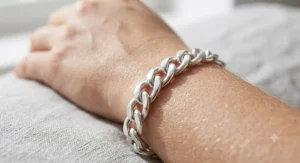
2. Vanbelle Rhodium Plated Adjustable Bolo Bar Bracelet — most beginner-friendly fit
What stands out immediately is the adjustable bolo design — you slide the delicate box chain through the bar clasp to dial in the exact fit, which sidesteps the classic “is this a 7-inch or 7.5-inch wrist” guessing game entirely. The bar-and-chain construction uses 925 sterling silver with a 925 stamp for verification, rhodium plated specifically, as the brand states, “to avoid easy tarnishing.” What most buyers overlook about adjustable bolo bracelets is that the sliding mechanism itself is a low-stress point compared to traditional clasps — there’s no tiny lobster hook fighting your fingernails every morning. Vanbelle also markets this as nickel-free, lead-free, and cadmium-free, which matters more than people realize (more on that in the safety section below). Aggregated customer sentiment on adjustable bar bracelets in this category tends to praise the “set it once and go” convenience, though the tradeoff is a slightly less formal look than a traditional link chain — this reads more casual-elegant than boardroom.
Pros:
- ✅ Adjustable bolo fit skips sizing guesswork entirely
- ✅ Nickel-free, lead-free, cadmium-free construction
- ✅ Simple sliding mechanism beats fussy clasps daily
Cons:
- ❌ Casual aesthetic reads less formal than link chains
- ❌ Delicate box chain isn’t built for rough manual labor
Priced in the $25-$35 range at the time of research, this is a strong low-commitment entry point if you’re testing whether a tarnish-resistant silver bracelet for daily wear even fits your lifestyle before spending more.
3. Rhodium Plated Sterling Silver Filigree Bracelet, 7.25″ — best vintage-inspired detail
The standout feature is the filigree work itself — intricate, lace-like metalwork that gives this bracelet a heritage, almost heirloom quality most minimalist chains can’t touch. Sterling silver jewelry like this gets plated with rhodium specifically to keep detailed pieces shiny without the metal catching tarnish in all those tiny grooves, which is exactly where oxidation loves to hide on unprotected silver. Here’s what the spec sheet won’t tell you, but the design itself implies: filigree pieces without rhodium protection are notoriously hard to clean, because a polishing cloth can’t reach into ornate cutouts the way it can a flat chain link. That makes the rhodium coating almost non-negotiable for a piece this detailed rather than a nice-to-have. This one is for someone who wants their daily bracelet to look intentional and a little romantic — not the person who wants to disappear into a plain chain. Based on the standard 7.25-inch sizing, it runs true for average women’s wrists, with limited flexibility for adjustment, so double-check your measurement before buying.
Pros:
- ✅ Ornate filigree detail stands out from plain chains
- ✅ Rhodium plating protects intricate grooves from tarnish buildup
- ✅ Vintage aesthetic suits both casual and dressy outfits
Cons:
- ❌ Fixed 7.25″ length offers no size adjustment
- ❌ Detailed surface needs gentler, more careful cleaning
Priced in the $30-$50 range at the time of research, it’s a reasonable middle ground between the ultra-basic chains and the statement pieces further down this list.
4. SURANO DESIGN JEWELRY Black Rhodium Plated Bracelet with Clear CZ Stones — boldest daily accent
The standout here is the black rhodium finish, which flips the usual script — instead of a bright mirror shine, you get a matte-dark gunmetal look studded with clear cubic zirconia stones. SURANO builds this from solid sterling silver, then applies the black rhodium plating that the brand explicitly markets as anti-tarnish, with a 7-inch chain plus a 1-inch extension for fit flexibility. On paper, this means you get two protective advantages stacked together: rhodium’s inherent corrosion resistance, plus a darker finish that visually hides the kind of micro-scuffing that shows up starkly on brighter silver. What most buyers overlook about black rhodium specifically is that it tends to show wear differently than standard rhodium — instead of dulling evenly, it can develop lighter “worn” patches at friction points like the clasp and the underside of the wrist, so it’s worth checking those spots periodically. The clear CZ stones add sparkle without the fragility of gemstones that chip or cloud, making this a genuinely low-fuss statement piece rather than a fussy one.
Pros:
- ✅ Distinctive black rhodium finish stands apart from typical silver
- ✅ Adjustable 1-inch extension improves fit flexibility
- ✅ CZ stones add sparkle without gemstone fragility
Cons:
- ❌ Black rhodium can show uneven wear at friction points
- ❌ Darker finish reads more formal, less everyday-casual
Priced in the $60-$90 range at the time of research, this is the pick for someone who wants their tarnish-resistant silver bracelet for daily wear to double as a genuine style statement.
5. Men’s Italian Sterling Silver Rhodium Plated Curb Link Bracelet, 8.5″ — best men’s everyday staple
The standout feature is the curb link construction itself — flattened, interlocking links that lie smooth against the wrist instead of twisting, which is the single biggest complaint men have about cheaper chain bracelets. This one is crafted in Italy from sterling silver and finished with rhodium plating, sized at 8.5 inches to sit comfortably over a typical men’s watch-wearing wrist without crowding it. Here’s the practical read: curb links distribute wear more evenly across a flat surface than rounded rolo or box links do, so for a bracelet that’s going to survive a wristwatch clasp rubbing against it eight hours a day, that flat-link geometry is a genuine functional advantage, not just an aesthetic one. Reviewers of Italian curb-link sterling pieces in this category commonly note the weight feels substantial without being heavy, and that the rhodium finish holds up well against daily hand-washing and desk work — the two things that degrade unprotected silver fastest. If there’s a downside, it’s that curb links can occasionally snag on tight-cuffed shirt sleeves, a minor but real annoyance during colder months.
Pros:
- ✅ Flat curb links resist twisting and lie smooth
- ✅ Substantial weight feels premium without excessive bulk
- ✅ Rhodium finish holds up well against daily handwashing
Cons:
- ❌ Flat links can occasionally snag on tight sleeves
- ❌ Fixed 8.5″ length limits fit for smaller wrists
Priced in the $70-$110 range at the time of research, this is a genuinely solid choice if you’re shopping specifically for men’s low-maintenance silver jewelry.
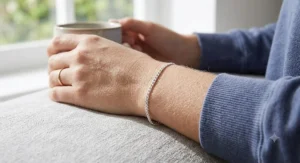
6. PAVOI Rhodium Plated Graduated Tennis Bracelet with Cubic Zirconia — best sparkle for daily wear
The standout is the graduated cubic zirconia row itself — stones that step up in size toward the center, which is a design detail usually reserved for pieces twice this price. PAVOI builds this on a rhodium-plated base with bezel-set stones, meaning each CZ sits inside a metal rim rather than being held by thin prongs, a setting style that’s dramatically more snag-resistant during actual daily wear (think gym bags, car seatbelts, kitchen towels). What most buyers overlook about tennis bracelets specifically is that the metal-to-stone ratio matters as much as the stones themselves — a bezel setting means more rhodium-plated metal is in contact with your skin and the air, which paradoxically makes the whole piece more tarnish-resistant than a prong-set equivalent, since there’s simply less exposed base metal. PAVOI also states its jewelry uses recycled materials in production, a detail that won’t affect how the bracelet wears but might matter if sustainability factors into your buying decision. Aggregated review sentiment for bezel-set CZ tennis bracelets in this bracket tends to highlight the “looks more expensive than it is” reaction from other people, alongside occasional notes that the clasp needs a firm click-check before leaving the house.
Pros:
- ✅ Bezel-set stones resist snagging better than prong settings
- ✅ Graduated CZ row adds visible sparkle for daily wear
- ✅ Made with recycled materials in production
Cons:
- ❌ Clasp benefits from a manual double-check before wear
- ❌ Premium sparkle look leans dressier than minimalist chains
Priced in the $80-$130 range at the time of research, this is the pick for anyone who wants daily-wear practicality without giving up visible shine.
7. Miabella 6.5mm Square Rolo Link Round Box Chain Bracelet, Rhodium-Plated-Silver — most durable long-term option
The standout is sheer gauge — at 6.5mm, this rolo-box hybrid chain is noticeably heavier and thicker than the entry-level version earlier on this list, and that thickness is doing real structural work. Miabella makes it from solid 925 sterling silver in Italy, offers it specifically in a rhodium-plated-silver finish, and secures it with a sturdy clasp built to handle the added weight. Based on the spec comparison against the 3.5mm version from the same brand, the thicker gauge translates to meaningfully better resistance to bending, kinking, and the kind of metal fatigue that eventually snaps thinner chains at the clasp attachment point — the single most common failure spot on daily-wear bracelets. What the spec sheet won’t tell you, but simple physics implies, is that thicker rhodium-plated links also distribute the coating’s protective layer over more surface area relative to friction points, meaning the plating itself tends to wear through more slowly than on a delicate chain getting the same amount of daily abrasion. Miabella’s own care guidance is notably specific here: they explicitly warn against using an anti-tarnish polishing cloth directly on rhodium- or gold-plated pieces, recommending a soft cotton cloth instead — a distinction a lot of buyers miss and one we’ll unpack further in the care section below.
Pros:
- ✅ Thicker 6.5mm gauge resists bending and fatigue
- ✅ Rhodium-plated-silver finish built for heavier daily use
- ✅ Sturdier clasp matched to the chain’s added weight
Cons:
- ❌ Higher price than thinner chains in the lineup
- ❌ Bulkier profile may feel heavy for petite wrists
Priced in the $90-$140 range at the time of research, this is the buy-it-once option for someone whose daily-wear bracelet needs to survive years, not months.
Practical Usage Guide: Setting Up Your Bracelet for Years of Daily Wear
The first 30 days matter more than people expect. Straight out of the box, resist the urge to test your new bracelet against a magnet, harsh soap, or a swimming pool — save that curiosity for later. Instead, wipe it down with a soft, lint-free cloth before the first wear to remove any manufacturing residue, then let your skin’s natural oils and the rhodium coating settle in together for a week or two before deep-cleaning it. A common early mistake is showering or swimming with a brand-new rhodium-plated piece; chlorine and hard-water minerals are two of the fastest ways to dull a fresh coating, and the damage compounds because it happens before the plating has had any real chance to “break in” against everyday air exposure. For maintenance rhythm, a light wipe after each wear and a proper clean every two to three weeks strikes the right balance — more frequent than that risks unnecessary friction on a microscopically thin coating, and less frequent lets skin oils build into the kind of film that eventually looks like tarnish even when it technically isn’t. One optimization trick jewelers rarely mention in listings: store the bracelet flat or hanging rather than balled in a drawer, since coiled storage creates pressure points where the coating contacts itself repeatedly, accelerating wear at exactly those spots.
Real-World Scenarios: Which Bracelet Fits Your Life
Picture three different mornings. First, there’s the nurse doing twelve-hour hospital shifts with constant hand sanitizer exposure — for her, the Vanbelle Bolo Bar Bracelet or Miabella 3.5mm Rolo Chain make sense specifically because their lighter weight and simple construction tolerate the dozens of daily glove-on, glove-off cycles better than a heavier statement piece that snags on nitrile. Second, consider the software developer who types eight hours a day and wants something that reads professional on video calls without distracting clatter against the desk — the Men’s Curb Link Bracelet or the Miabella 6.5mm Rolo Chain fit that brief because flat, low-profile links don’t catch on a keyboard tray the way dangling charms would. Third, there’s the person heading into a season of weddings and dinners who still wants one bracelet doing double duty for the office and the evening — that’s where the PAVOI Tennis Bracelet or SURANO Black Rhodium CZ earn their keep, since both read dressier without requiring a jewelry-box swap every time plans change. None of these scenarios are about spending more money for its own sake; they’re about matching the bracelet’s physical behavior to the friction your actual day puts on it.
Problem → Solution: Fixing the Most Common Tarnish-Resistant Bracelet Headaches
Problem: The bracelet looks dull despite being “tarnish-resistant.” Rhodium resists tarnish, but it doesn’t repel oils, lotion, or hairspray residue — that filmy dullness is usually buildup, not oxidation. Solution: a gentle warm-water-and-mild-soap rinse, patted dry immediately, restores shine without touching the coating itself.
Problem: One spot looks worn while the rest still shines. This typically means the rhodium layer has thinned at a high-friction point — the clasp, the underside near the watch, or wherever the bracelet contacts a desk edge repeatedly. Solution: rotate which wrist or hand position you favor, and consider professional replating once wear becomes visible rather than waiting for it to spread.
Problem: Skin irritation despite “hypoallergenic” claims. Even nickel-free pieces can irritate sensitive skin if residual soap or lotion sits trapped against it. Solution: remove the bracelet before applying lotion or perfume, and let skin fully dry before re-wearing it.
Problem: The clasp feels loose or the bracelet keeps sliding off. Sizing drift happens as wrists change seasonally with temperature and hydration. Solution: adjustable bolo or extender-chain styles solve this permanently; fixed-length chains may need a jeweler to resize a link.
What Is a Tarnish-Resistant Silver Bracelet?
A tarnish-resistant silver bracelet for daily wear is typically a sterling silver piece (at least 92.5% pure silver by the FTC’s own standard) coated with a thin layer of a non-reactive metal — almost always rhodium — that acts as a barrier between the silver and the sulfur compounds in air and skin oils that cause tarnish. It looks brighter than raw silver, resists everyday scuffing better, and needs far less polishing to stay presentable through months of continuous wear.
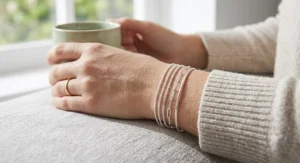
How to Choose a Tarnish-Resistant Silver Bracelet for Daily Wear
- Confirm the 925 stamp. Genuine sterling silver is legally required to be at least 92.5% pure silver to carry that marking — anything less isn’t sterling, full stop.
- Check for explicit rhodium plating. “Silver-tone” or “silver-plated” alone doesn’t guarantee tarnish resistance; look for the word “rhodium” specifically in the listing.
- Match the link style to your daily friction. Flat curb or box links survive desk work and manual tasks better than delicate rolo or filigree designs.
- Consider closure type based on your dexterity needs. Adjustable bolo and slider clasps beat tiny lobster clasps if you’re fastening solo every morning.
- Read aggregated reviews for wear-pattern complaints, not just star ratings. A 4.3-star average with recurring “clasp broke at month four” comments tells you more than the number alone.
- Verify hypoallergenic claims (nickel-free, lead-free). This matters even more for daily wear than occasional-use jewelry, since skin contact is near-constant.
- Budget for the coating’s real lifespan. Rhodium plating on high-friction pieces like bracelets typically lasts six months to two years before it may need reapplication — factor that into the price you’re comparing.
Rhodium Coating Explained: How the Shield Actually Works
Rhodium sits in the platinum group of metals, and it’s genuinely remarkable stuff — non-reactive, resistant to corrosion, and rated a 6 on the Mohs hardness scale versus sterling silver’s 3, meaning it scratches far less easily. The catch is thickness: a typical rhodium coating measures roughly 0.75 to 1.0 microns, which sounds impressively precise until you learn that’s about a hundred times thinner than a human hair. That thinness is exactly why the coating isn’t permanent — bracelets specifically, because they take more friction than earrings or necklaces, tend to need replating somewhere between six months and two years depending on how often you wear them. Understanding this reframes the whole buying decision: you’re not purchasing “tarnish-proof” jewelry, you’re purchasing a protective layer with a predictable, finite lifespan, similar in spirit to how a car’s clear-coat needs occasional renewal. For a deeper technical breakdown of the electroplating process itself, the Royal Society of Chemistry’s periodic table entry on rhodium covers the metal’s properties in more depth than any product listing will.
Rhodium-Plated Silver Bracelet vs Solid Sterling Silver vs Stainless Steel
| Factor | Rhodium-Plated Silver | Solid Sterling Silver | Stainless Steel |
|---|---|---|---|
| Tarnish resistance | High (temporary coating) | Low without polishing | Very high (naturally inert) |
| Shine/brightness | Mirror-bright, whitest tone | Warm, softens over time | Bright but slightly duller white |
| Maintenance | Low, occasional soft-cloth wipe | High, regular polishing needed | Very low |
| Long-term cost | Moderate (replating every 1-2 yrs) | Low (just polish) | Low (rarely needs anything) |
| Hypoallergenic potential | Good if nickel-free base | Good if nickel-free | Excellent (surgical-grade) |
| Best For | Daily-wear shine with less upkeep | Traditionalists who enjoy polishing | Budget, gym, or rough daily use |
The honest read here is that stainless steel wins on pure low-maintenance terms — it simply doesn’t tarnish, ever, because it lacks the sulfur-reactive silver content that causes the problem in the first place. But a rhodium-plated silver bracelet for daily wear splits the difference nicely: you keep the warmth, weight, and prestige of genuine sterling silver while borrowing rhodium’s resistance for the years the coating lasts. Solid, unplated sterling silver remains the choice for people who genuinely enjoy the ritual of polishing and prefer silver’s ability to develop character over time rather than staying uniformly bright.
Low-Maintenance Silver Jewelry: What “Easy Care” Really Means
“Low-maintenance” gets thrown around loosely in jewelry marketing, so it’s worth being specific. For a rhodium-plated piece, low-maintenance genuinely means: no weekly polishing, no dedicated jewelry-cleaning solution, and no anxiety about a quick shower splash ruining it. What it does not mean is zero care — you still want to keep it away from chlorine pools, harsh cleaning chemicals, and prolonged contact with perfume or hairspray, all of which degrade rhodium plating faster than ordinary air exposure ever would. Reviewers across multiple rhodium-plated bracelet listings consistently describe the appeal in almost identical terms: they simply forget they’re wearing silver at all, which is precisely the point. If you’re the kind of person whose jewelry care routine currently consists of “never,” a tarnish-resistant piece will meet you where you are far better than solid sterling silver ever could.
Common Mistakes When Buying a Tarnish-Resistant Silver Bracelet
The single biggest mistake is assuming “silver-tone” means sterling silver — it doesn’t, and that distinction determines everything from durability to resale value. A close second is buying a fixed-length chain without measuring your wrist first, which leads to the all-too-common return cycle. Shoppers also frequently skip reading the specific care instructions for their plating type; using a standard anti-tarnish polishing cloth on rhodium plating, for instance, can actually abrade the thin coating rather than protect it, since those cloths are formulated for bare silver, not plated surfaces. Another overlooked error is ignoring clasp type entirely — a beautiful bracelet with a clasp you can’t operate solo becomes a bracelet you stop wearing within a month. Finally, buyers sometimes expect rhodium plating to last indefinitely and feel blindsided when it doesn’t; going in with realistic expectations about the six-month-to-two-year replating window prevents that disappointment entirely.
Oxidation Prevention: Daily Habits That Actually Work
Oxidation prevention for a tarnish-resistant silver bracelet worn daily comes down to a handful of small, repeatable habits rather than one big intervention. Take it off before swimming, showering, or heavy exercise — moisture combined with chlorine or sweat’s salt content is the fastest accelerant for both tarnish and plating wear. Apply lotion, perfume, and hairspray before putting the bracelet on, not after, since those products contain chemicals that react with metal surfaces. Store it away from direct sunlight and humidity when you’re not wearing it — a simple zip-top bag with the air pressed out works better than an open dish, because it limits ongoing air exposure. And here’s a detail most care guides skip: rotating between two bracelets, even inexpensive ones, roughly halves the daily friction and moisture exposure on each individual piece, meaningfully extending how long the rhodium coating on both pieces stays intact.
Silver Polish Cloth 101: Choosing and Using One the Right Way
Not all silver polish cloths are created equal, and using the wrong one on a rhodium-plated bracelet can do more harm than good. A standard anti-tarnish polishing cloth is impregnated with a very fine abrasive compound designed to lift tarnish off bare sterling silver — exactly the kind of light abrasion you don’t want anywhere near a microscopically thin rhodium coating, since it can wear the plating down faster than ordinary use would. For rhodium- or gold-plated pieces specifically, jewelry manufacturers including Miabella explicitly recommend a plain, soft, lint-free cotton cloth instead — no compound, just gentle friction to lift surface oils and restore shine without touching the coating underneath. The practical rule: check whether your bracelet is plated or solid before reaching for any cloth, because the “more polishing power” instinct that works fine on solid silver is the exact instinct that shortens a plated bracelet’s lifespan.
Long-Term Cost & Maintenance: The Real Total Cost of Ownership
| Bracelet Type | Upfront Cost | Ongoing Cost (2 yrs) | Total Rough Cost of Ownership |
|---|---|---|---|
| Vanbelle Bolo Bar Bracelet | $25-$35 | Minimal (soft cloth only) | Low |
| SURANO Black Rhodium CZ | $60-$90 | Occasional replating (~$30-$50) | Moderate |
| Miabella 6.5mm Rolo Chain | $90-$140 | Infrequent, slower plating wear | Moderate-Low over time |
| Solid unplated sterling silver | $30-$100 | Ongoing polish supplies + time | Low cost, higher time investment |
Looking at the numbers, the cheaper pieces aren’t automatically the better long-term value — a $25 bolo bracelet with a thin, fast-wearing coating can cost more in replating over three years than a $90 piece built with a thicker gauge that holds its plating longer. The real ROI calculation isn’t purchase price versus quality; it’s purchase price plus expected replating frequency versus how many years you actually plan to wear the piece daily.
🔍 Don’t Miss These Exclusive Deals!
Take your tarnish-resistant silver bracelet for daily wear shopping to the next level with the seven picks above. Click through to check current pricing and availability on any piece that caught your eye — a low-maintenance bracelet you’ll actually keep wearing is worth the two extra minutes of comparison shopping today.
Tarnish-Resistant Bracelets for Different Lifestyles
For students and early-career professionals watching every dollar, the Miabella 3.5mm Rolo Chain or Vanbelle Bolo Bar Bracelet deliver genuine daily-wear durability without a premium price tag. For parents juggling constant hand-washing, sanitizer, and kids climbing on them all day, prioritize simple, snag-resistant designs like curb or rolo links over dangling charms or delicate filigree. For anyone in client-facing or formal work environments, the Men’s Curb Link Bracelet or PAVOI Tennis Bracelet strike the right balance of polish and low upkeep. And for the person who simply wants to buy once and stop thinking about it for years, the thicker-gauge Miabella 6.5mm Rolo Chain is built specifically for that kind of long-haul daily wear.
Safety, Skin Sensitivity & Regulatory Compliance
If you have sensitive skin, prioritize bracelets explicitly labeled nickel-free, lead-free, and cadmium-free — several products in this roundup, including the Vanbelle Bolo Bar Bracelet, call this out directly. Genuine sterling silver is naturally low-allergen since the alloy is at least 92.5% silver, but the remaining alloy content and any base metal beneath rhodium plating can still trigger reactions in a small percentage of wearers. On the regulatory side, U.S. jewelry marketing is governed by the FTC’s Guides for the Jewelry, Precious Metals, and Pewter Industries, which legally require that products described as “sterling silver” contain at least 925 parts per thousand silver and that plating claims — including rhodium — be accurate and not misleading. You can read the full FTC jewelry guides text if you want to see exactly what protections back up those “925” and “rhodium-plated” labels you’re trusting when you buy.

Frequently Asked Questions
❓ Is a tarnish-resistant silver bracelet actually tarnish-proof?
❓ Can I shower or swim while wearing a rhodium-plated bracelet?
❓ How do I know if my bracelet is real sterling silver?
❓ What's the difference between rhodium plating and silver plating?
❓ How often should I clean a low-maintenance silver bracelet?
Conclusion
A genuinely tarnish-resistant silver bracelet for daily wear isn’t about finding some mythical piece that never needs a second thought — it’s about picking the right combination of sterling silver purity, rhodium coating thickness, and link style for how hard your actual life is on your wrists. The seven picks here span that whole range honestly: the Vanbelle Bolo Bar Bracelet and Miabella 3.5mm Rolo Chain for budget-conscious first-timers, the SURANO Black Rhodium CZ and PAVOI Tennis Bracelet for people who want daily wear with real sparkle, and the Men’s Curb Link Bracelet and Miabella 6.5mm Rolo Chain for anyone prioritizing years of durability over upfront savings. Whichever you choose, the habits matter as much as the hardware — take it off before you swim, use the right cloth for your plating type, and budget mentally for replating somewhere down the line. Do that, and low-maintenance silver jewelry stops being a marketing phrase and actually becomes true.
Recommended for You
- 7 Best Sterling Silver Bracelet for Sensitive Skin Picks (2026)
- Stainless Steel Bracelets: 7 Best Budget Picks for 2026
- 7 Best Waterproof Stainless Steel Bracelets for the Gym (2026)
Disclaimer: This article contains affiliate links. As an Amazon Associate, I earn from qualifying purchases. If you purchase products through these links, we may earn a small commission at no additional cost to you.
✨ Found this helpful? Share it with your friends! 💬🤗
