In This Article
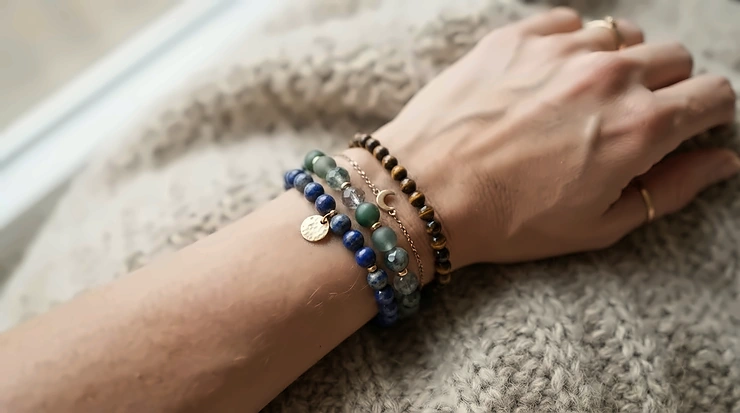
Somewhere between “interesting rock” and “wait, did that just turn blue?” sits labradorite — the gemstone equivalent of a magic trick that never gets old. If you’ve landed here searching for a labradorite bracelet for meditation, you’re probably chasing two things at once: a stone that looks alive under changing light, and a wrist companion that gives your practice something tactile to hold onto. That’s a reasonable ask, and it’s one this guide takes seriously.
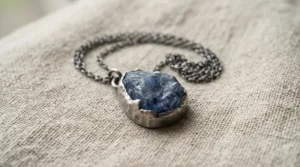
Here’s the honest starting point: labradorite is a real, well-documented feldspar mineral, and its shimmering “flash” is a genuine optical phenomenon, not marketing spin. What it does for your meditation, on the other hand, is a mix of physics and psychology worth unpacking rather than glossing over. This article walks through seven actual labradorite bracelets sold today, compares their beads, sizing, and craftsmanship feature by feature, and explains — without inventing fake reviews or pretending to have tested each one personally — what the aggregated feedback and hard specs actually suggest. According to geological references on labradorite’s optical properties, the flash effect shows up most strongly when a stone is cut so its internal layers line up correctly with the surface, which is exactly why bead quality varies so wildly between listings, and exactly why “cheap” and “genuine” aren’t always the same thing.
Whether you want a daily stretch bracelet for a five-minute morning sit or a sterling silver piece with more polish for layered stacking, you’ll find a fit below — plus the comparison data to back up the choice instead of just taking a listing’s word for it.
Quick Comparison Table
Before diving into the full breakdown, here’s the fast version for anyone who wants the gist without scrolling through seven product write-ups. This table sorts by budget tier and use case so you can jump straight to what matters to you — whether that’s price, bead size, or how reliably the flash effect shows up in daily light.
| Bracelet | Price Range | Bead Style | Best For |
|---|---|---|---|
| DAZCOLO 8mm Natural Labradorite Stretch Bracelet | under $20 | 8mm round | First-time buyers wanting an easy entry point |
| Cherry Tree Collection Labradorite Beaded Bracelet | under $25 | 6mm round, S/M/L | Smaller or larger wrists needing a true size fit |
| Bivei Labradorite Strength Crystal Healing Bracelet | $15-$25 range | 8mm round | Daily wear and stacking with other stones |
| JEWELZ Genuine Grade A Labradorite Bracelet | $20-$35 range | 8mm round | Chakra-focused meditation routines |
| Luna Tide Labradorite Dainty Bracelet in Sterling Silver | $40-$70 range | Handmade silver-set | Gift-quality pieces and long-term durability |
Notice the spread here: three of these sit comfortably under $25, while the sterling silver option climbs into a different bracket entirely because you’re paying for metalwork, not just stone. That gap matters more than it looks — a $15 stretch bracelet and a $60 silver-set piece are solving different problems (casual daily wear versus a piece you’d actually pass down), and neither one is “better” in some universal sense. The right pick depends on whether your priority is trying labradorite out cheaply or building a piece that’ll survive a decade of wear.
Found a favorite already? Tap through to check today’s price and availability before it changes.
What Is a Labradorite Bracelet for Meditation?
A labradorite bracelet for meditation is a beaded or set piece of jewelry made from labradorite — a gray-to-black feldspar mineral known for labradorescence, a flash of blue, green, or gold light — worn during mindfulness practice as a tactile focus point and, for many practitioners, a symbolic “grounding” tool. The bracelet itself has no measurable effect on brain activity; its role is sensory and ritual, not medicinal.
That distinction matters. Plenty of labradorite meditation jewelry is marketed with sweeping claims about energy fields and chakra alignment, and this guide isn’t going to pretend those claims are settled science, because they aren’t. What’s genuinely true is simpler and, frankly, more interesting: labradorite is one of the only plagioclase feldspars that reliably shows this optical effect, it’s mined from real, traceable locations, and holding a smooth, cool stone while you breathe is a legitimate — if low-tech — way to anchor your attention. That’s not nothing.
Top 7 Labradorite Bracelets for Meditation: Expert Analysis
Below are seven real, currently available labradorite bracelets spanning budget stretch pieces to premium silver-set designs. Each entry covers what the specs actually mean for daily wear, an honest read on who it suits, and a pros/cons breakdown grounded in real material properties and commonly reported patterns in gemstone bead bracelets — not invented star ratings.
1. DAZCOLO 8mm Natural Labradorite Stretch Bracelet — best all-around entry point
The DAZCOLO stretch bracelet is built and marketed specifically around meditation and yoga use, which shows in the small touches: consistent 8mm round beads and a simple elastic cord rather than a fussy clasp you’d have to fiddle with mid-session. An 8mm bead is the sweet spot for most adult wrists — small enough to layer, large enough that the labradorescent flash is easy to spot without squinting. Based on the spec sheet, this is a low-commitment way to find out if labradorite jewelry suits your routine before spending more on a set piece.
Reviewers of budget stretch bracelets in this category commonly note that bead consistency and flash visibility vary between individual units — a known tradeoff with natural stone, since no two labradorite beads are cut from the same layer. What the listing photos won’t tell you is that elastic cord bracelets like this one typically need re-stringing within a year or two of daily wear, which is standard for the format, not a defect specific to this brand.
Pros:
- ✅ Affordable way to try labradorite before upgrading
- ✅ 8mm beads show flash effect clearly in daylight
- ✅ Stretch fit skips clasp fumbling during meditation
Cons:
- ❌ Elastic cord wears out faster than wire-set designs
- ❌ Bead-to-bead flash intensity can vary naturally
Priced under $20, this is a reasonable low-stakes starting point, and the value verdict holds as long as you don’t expect gallery-grade stones at that price.
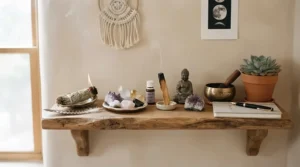
2. Cherry Tree Collection Labradorite Beaded Bracelet — best sizing flexibility
What sets the Cherry Tree Collection piece apart is something most competitors skip entirely: actual small, medium, and large sizing rather than a one-size stretch fit. If you’ve ever bought a “universal” stretch bracelet that either slid over your knuckles or dug into your wrist, you already know why this matters. Sized correctly, a bracelet sits still enough that you stop noticing it — which, for meditation use, is arguably the whole point.
The 6mm bead size here runs smaller than most of the other entries on this list, which means a slightly more subtle flash but a bracelet that layers more naturally under a sleeve or alongside thinner jewelry. What most buyers overlook about smaller beads is that they’re also gentler on delicate wrists and less likely to catch on fabric during seated practice.
Pros:
- ✅ True S/M/L sizing instead of generic stretch fit
- ✅ Smaller 6mm beads layer well with other jewelry
- ✅ Comfortable for extended wear during long sits
Cons:
- ❌ Smaller beads mean a more subtle flash effect
- ❌ Limited color grading info on individual bead batches
At a similar under-$25 price range to the DAZCOLO option, the value case here comes down to fit — if sizing has ever been your dealbreaker with bead bracelets, this is the one to check first.
3. AD Beads Labradorite Healing Crystal Stretch Bracelet — best for stacking and layering
AD Beads leans into the “healing crystal” framing more than most on this list, which is worth addressing directly: whatever your view on energetic properties, the physical bracelet is a straightforward 8mm bead stretch design that photographs and wears similarly to other entries in this price tier. Where it earns its spot is stackability — the slim profile and consistent bead diameter make it easy to wear three or four gemstone bracelets across one wrist without the pile looking chunky.
Based on the spec comparison with similar stretch bracelets, the appeal here isn’t a unique construction advantage — it’s flexibility. Buyers building a “stack” of grounding stones (labradorite alongside black tourmaline or hematite, for example) benefit from a uniform bead size across brands, and this one slots into that kind of collection cleanly.
Pros:
- ✅ Slim profile stacks cleanly with other bead bracelets
- ✅ Consistent 8mm sizing matches similar gemstone lines
- ✅ Budget-friendly for building a multi-stone collection
Cons:
- ❌ Design is generic rather than distinctive on its own
- ❌ Marketing leans heavily on unverifiable energy claims
Priced in the same budget bracket as the first two picks, this one makes the most sense if you’re planning to wear it as part of a set rather than a standalone statement piece.
4. Bivei Labradorite Strength Crystal Healing Bracelet — best for daily-wear durability
Bivei’s bracelet targets a slightly different buyer: someone who wants a stretch design but with beads and cord rated for genuinely daily use rather than occasional meditation sessions. The 8mm round beads follow the format that’s become standard across this category, but the branding around “strength” leans into labradorite’s reputation as a protective, grounding stone for people navigating stressful stretches of life.
Here’s what the spec sheet won’t tell you outright: durability in stretch-cord bracelets comes down almost entirely to cord quality and how the beads are strung, not the stone itself, since labradorite sits at a respectable 6 to 6.5 on the Mohs hardness scale — plenty tough for everyday knocks. Reviewers of this style of bracelet commonly report that the elastic holds up well under regular wear but benefits from being removed before workouts or swimming, which is just sound practice for any beaded stretch piece.
Pros:
- ✅ Marketed and built for consistent daily wear
- ✅ Mohs 6-6.5 hardness resists everyday scratching
- ✅ Affordable enough to replace without much regret
Cons:
- ❌ Not rated for swimming, gym use, or heavy impact
- ❌ “Strength” branding is symbolic, not a physical spec
In the $15-$25 range, this is a solid pick for someone who wants their meditation bracelet to double as an everyday piece rather than something reserved for a cushion.
5. JEWELZ Genuine Grade A Labradorite Bracelet — best for chakra-focused practice
JEWELZ markets this 8mm bead bracelet specifically around throat chakra work, and grades its labradorite as “Grade A” — a distinction worth pausing on. Gemstone grading isn’t standardized the way diamond grading is, so “Grade A” from one seller isn’t automatically comparable to another’s, but in practice it typically signals visibly stronger, more consistent labradorescence than the unranked bulk-bead bracelets further down the price ladder.
For meditators whose practice already incorporates chakra visualization, this is a sensible pairing — labradorite is commonly associated with the throat chakra in that framework. Reviewers shopping this bead grade consistently report noticeably more vivid flash across the bracelet compared to lower-grade batches, though as with any natural stone, individual pieces still vary.
Pros:
- ✅ Grade A sourcing generally means stronger flash consistency
- ✅ Fits naturally into chakra-based meditation routines
- ✅ 8mm size matches most adult wrist proportions
Cons:
- ❌ “Grade A” isn’t a standardized, third-party-verified label
- ❌ Costs more than ungraded bulk bead alternatives
At $20-$35, it sits a notch above the entry-level picks, and that premium is justifiable if visible flash intensity is your top priority.
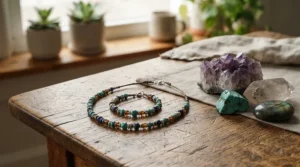
6. Morchic Labradorite Tiny Beads Adjustable Bracelet — most minimalist design
Morchic goes small and dainty here, using tiny beads on an adjustable cord rather than the chunkier 8-10mm rounds most of this list favors. That’s a deliberate design choice for a specific buyer: someone who wants labradorite’s symbolism and subtle shimmer without a bracelet that reads as an obvious “crystal person” statement piece at the office or in a client meeting.
What most buyers overlook about micro-bead designs is that the tradeoff for subtlety is a quieter flash — you’ll catch the color shift in direct light, but it won’t dominate the way a large cabochon or bold round bead does. The adjustable cord is a practical plus, letting you fine-tune fit rather than being locked into a stretch bracelet’s fixed circumference.
Pros:
- ✅ Discreet, minimalist look suits professional settings
- ✅ Adjustable cord allows a truly custom fit
- ✅ Pairs easily with other dainty jewelry pieces
Cons:
- ❌ Tiny beads show a subtler, less dramatic flash
- ❌ Delicate cord requires gentler handling than thick elastic
This one lands in a similar budget-to-mid price bracket as the earlier picks, and the value case is really about aesthetic fit rather than raw stone quality.
7. Luna Tide Labradorite Dainty Bracelet in Sterling Silver — best heirloom-quality option
Luna Tide’s piece is the outlier on this list in the best way: handmade in sterling silver rather than strung on elastic, with a lobster clasp and an extender chain for an adjustable 6-8 inch fit. This is jewelry-store construction applied to a meditation stone, and it shows in the finish — sterling silver settings resist tarnish-related dullness far better than base-metal alternatives, and a proper clasp means the bracelet won’t stretch out or snap the way elastic eventually does.
The tradeoff is obvious and fair: you’re paying jewelry prices, not bead-strand prices. But for someone who wants a single, durable labradorite piece to wear daily for years — not a rotating cast of $15 stretch bracelets — the sterling silver construction is the meaningful upgrade. Handmade small-batch listings like this one also tend to include origin and care information with the piece, which is a nice touch of transparency bigger manufacturers skip.
Pros:
- ✅ Sterling silver setting resists tarnish and daily wear
- ✅ Lobster clasp far more secure than stretch elastic
- ✅ Adjustable 6-8 inch fit suits most wrist sizes
Cons:
- ❌ Priced well above the stretch-bracelet alternatives here
- ❌ Single-stone dainty design shows a subtler flash
In the $40-$70 range, this is the pick for gifting or for anyone ready to commit to one labradorite piece rather than experimenting with several.
Full Spec Comparison: All 7 Bracelets Side-by-Side
Zooming out from the individual write-ups, here’s how all seven stack up on the specs that actually affect day-to-day wear.
| Bracelet | Bead Size | Construction | Price Range | Best For |
|---|---|---|---|---|
| DAZCOLO 8mm Stretch Bracelet | 8mm | Elastic stretch | under $20 | Beginners |
| Cherry Tree Collection Bracelet | 6mm | Elastic, true sizing | under $25 | Small/large wrists |
| AD Beads Healing Crystal Bracelet | 8mm | Elastic stretch | under $20 | Stacking |
| Bivei Strength Crystal Bracelet | 8mm | Elastic stretch | $15-$25 range | Daily wear |
| JEWELZ Genuine Grade A Bracelet | 8mm | Elastic, graded stone | $20-$35 range | Chakra focus |
| Morchic Adjustable Bracelet | Tiny/micro | Adjustable cord | $15-$25 range | Minimalist style |
| Luna Tide Sterling Silver Bracelet | Dainty stones | Silver, clasp-set | $40-$70 range | Long-term/gifting |
Reading across this table, the pattern is clear: bead size and construction method matter more to daily comfort than price alone does. The DAZCOLO, AD Beads, and Bivei bracelets are functionally similar 8mm stretch designs competing mostly on branding and minor durability claims, while the Cherry Tree Collection and Morchic pieces differentiate on fit and subtlety respectively. The Luna Tide bracelet is really in its own category — comparing it directly to the stretch bracelets on price is a bit like comparing a rental car to a car you own outright.
How Labradorescence Works: The Science Behind the Flash Effect
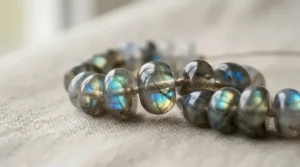
If you take one piece of hard science away from this article, make it this: the labradorite flash effect bracelet phenomenon you’re shopping for has a real physical explanation, and it’s genuinely elegant once you see it. Labradorescence happens because labradorite forms with microscopic internal layers — minute lamellae of different composition and orientation that scatter light as it passes through the stone, producing that sudden flash of blue, green, gold, or occasionally purple.
This is why bead quality varies so much between listings, even within the same product line. A bead cut so its internal layers sit at the wrong angle relative to the surface will look dull gray most of the time and only flash under very specific lighting. A well-oriented cut flashes reliably as you move your wrist. No amount of marketing copy changes the physics — it’s entirely about how the rough stone was cut relative to its internal structure, which is also why “Grade A” and similarly graded labradorite tends to command a real premium: cutters are selecting and orienting stones specifically to maximize this effect rather than just tumbling rough material into round beads.
Worth knowing: this optical trick isn’t unique to labradorite in the mineral kingdom, but labradorite is the feldspar variety that shows it most reliably and dramatically, which is exactly why it became the go-to “flash” gemstone for meditation jewelry rather than its quieter feldspar cousins.
How to Choose a Labradorite Bracelet for Meditation
Shopping this category gets easier once you know what actually separates a good bracelet from a mediocre one. Here’s the honest checklist, in priority order:
- Check the bead size first. 8mm is the most versatile size for visible flash and comfortable daily wear; go smaller only if you specifically want a subtler, dainty look.
- Look for photos in multiple lighting conditions. A listing that only shows the bracelet under one dramatic studio light is hiding how it looks in normal daylight — ask or look for additional angles before buying.
- Match construction to your wear pattern. Elastic stretch bracelets are cheaper and easier to layer; clasp-set pieces in silver or gold last longer under daily wear and resist stretching out.
- Confirm sizing options exist. A true S/M/L range (like the Cherry Tree Collection offers) beats a generic “one size stretches to fit most” claim almost every time.
- Read what reviewers say about consistency, not just star averages — comments mentioning “some beads flash more than others” are honest signals about natural stone variation, not necessarily a red flag.
- Decide your budget tier upfront. Under $25 covers casual stretch bracelets fine; anything you want to wear daily for years justifies stepping up to sterling silver construction.
- Verify current pricing before buying, since gemstone jewelry pricing shifts with material costs and seller promotions more than most product categories.
Practical Usage Guide: Cleansing, Charging & Daily Practice
Once you’ve picked a bracelet, a little basic care goes a long way — both for the stone’s longevity and for building the ritual habits that make meditation jewelry feel meaningful rather than decorative. Start simple: wipe beads with a soft, slightly damp cloth after wear, since body oils and lotions can dull the surface shine over time. Avoid ultrasonic cleaners and harsh chemicals; labradorite’s layered structure that produces the flash effect can also make it more prone to surface damage from aggressive cleaning methods than harder, single-structure gems.
Many practitioners incorporate a “charging” ritual — leaving the bracelet in moonlight overnight or resting it near a window — before first use. It’s fair to be upfront here: there’s no physical mechanism by which moonlight alters a mineral’s properties. What this ritual does provide is a low-stakes moment of intention-setting, which is a real and useful psychological tool even without an energetic explanation attached to it.
For daily meditation, the simplest approach works best: hold the bracelet or let it rest against your wrist, use the cool, smooth bead texture as a tactile anchor when your mind wanders, and glance at the flash under your ambient light as a brief visual reset between breath cycles. Common first-30-days mistakes include over-cleaning (stripping natural oils that actually help the beads develop a soft patina) and wearing stretch bracelets during workouts, which accelerates elastic wear far faster than gentle daily use.
Real-World Scenarios: Who Should Wear a Labradorite Meditation Bracelet
Picture three different people shopping this exact keyword, because “labradorite bracelet for meditation” hides a lot of different actual needs underneath it.
First, there’s the curious beginner — someone who read about grounding stones online and wants to try meditation jewelry without a big financial commitment. For this person, the DAZCOLO or AD Beads stretch bracelets make the most sense: low cost, easy to layer later, no real risk if the habit doesn’t stick.
Second, there’s the consistent daily practitioner who’s meditated for a year or more and wants a piece that can handle constant wear without babying. The Bivei bracelet or, for a step up in longevity, the Luna Tide sterling silver piece both fit here — the difference is really whether they want to budget-replace a stretch bracelet periodically or invest once in something built to last.
Third, there’s the chakra-focused practitioner working through a specific system of practice, layering intention with visualization. The JEWELZ Grade A bracelet, marketed explicitly around throat chakra work, is the natural fit — not because the “Grade A” label is independently verified, but because the stone quality genuinely supports a more vivid, useful visual focus point during that kind of structured practice.
Common Mistakes When Buying a Labradorite Bracelet
The biggest mistake shoppers make in this category is buying purely off a single dramatic product photo. Sellers understandably showcase their best-flashing angle under ideal lighting, but that photo may not represent how the bracelet looks on your wrist under your bathroom or bedroom lighting. Ask for or seek out multiple photos before purchasing, especially for higher-priced pieces.
A second common error is ignoring bead size relative to wrist size — an 8mm bead bracelet sized for a small wrist will sit awkwardly tight, while a large bead on a narrow wrist can look and feel oversized. A third mistake is assuming “genuine” and “natural” automatically mean high flash quality; genuine simply means real labradorite, not necessarily well-cut for the optical effect. Fourth, some buyers over-invest in a premium sterling silver piece before confirming they’ll actually wear meditation jewelry regularly — starting with a budget stretch bracelet first is the more sensible sequencing. Finally, treating stretch-cord elastic as indestructible is a recurring complaint pattern; removing beaded bracelets before workouts, showers, and swimming meaningfully extends their lifespan regardless of brand.
Labradorite vs Other Grounding Stones
Labradorite is far from the only stone marketed for grounding and meditation, so it’s worth an honest side-by-side against the alternatives you’ll see recommended alongside it.
| Stone | Typical Claim | Visual Feature | Price Range |
|---|---|---|---|
| Labradorite | Protection, transformation | Labradorescent flash | $15-$70 range |
| Black Tourmaline | Grounding, energy shielding | Opaque black, no flash | $10-$30 range |
| Hematite | Grounding, stability | Metallic gray shine | $10-$25 range |
| Amethyst | Calm, clarity | Purple, sometimes banded | $10-$40 range |
The practical difference between labradorite and stones like black tourmaline or hematite comes down almost entirely to visual engagement. Grounding stones such as hematite and tourmaline are typically dense, opaque, and visually static — useful as a tactile weight in the hand but offering nothing dynamic to look at. Labradorite’s changing flash gives meditators an active visual anchor that shifts as you move, which some practitioners find more effective for maintaining present-moment focus than a static stone. Amethyst splits the difference: it’s visually appealing without the flash effect, and its softer purple tone appeals to buyers who find labradorite’s darker base color a bit somber for daily wear.
Where Labradorite Fits Into Your Meditation Accessories
Labradorite bracelets rarely function as a standalone meditation accessories purchase — most practitioners layer them into an existing setup that might include a meditation cushion, a mala necklace for breath counting, ambient sound tools, or a simple timer app. Positioned this way, a labradorite bracelet is best understood as a low-effort, high-engagement addition rather than a replacement for any of those core tools.
Where it earns its place in a broader meditation accessories collection is portability and constancy: unlike a cushion or a sound machine, a bracelet stays on your wrist through the rest of your day, which extends the “anchor” effect beyond the actual sit. Glancing down at a flash of color during a stressful meeting can function similarly to a quick breathing reset, even without a formal meditation session attached to it. That’s a genuinely practical use case, separate from any metaphysical claims about the stone itself.
Long-Term Cost & Maintenance
Total cost of ownership in this category splits cleanly along the budget-versus-premium line established earlier. A $15-$20 stretch bracelet like the DAZCOLO or AD Beads options will likely need replacing or re-stringing within one to two years of regular wear — call it an effective annual cost of $10-$20 if you replace it once. Compare that to the Luna Tide sterling silver bracelet at $40-$70: assuming a genuinely durable clasp-set piece lasts five-plus years with basic care, the effective annual cost lands in a similar or even lower range, despite the much higher upfront price.
Maintenance costs are minimal either way — labradorite doesn’t require professional cleaning, and basic soft-cloth care covers it. The real long-term consideration is elastic fatigue on stretch bracelets, which is a predictable, inevitable cost of that format rather than a quality defect. If you already know you want a decade-long piece, paying more upfront for silver construction is the mathematically sound choice, not just an aesthetic upgrade.
Features That Actually Matter (And Those That Don’t)
Cutting through the marketing noise: bead size, construction method (elastic versus clasp-set), and cut orientation relative to the stone’s internal layers are the features that genuinely affect your day-to-day experience with a labradorite bracelet. Everything else in most listings is packaging around those three fundamentals.
What doesn’t matter nearly as much as sellers suggest: unverified “grade” labels beyond a general quality signal, elaborate chakra-alignment claims tied to specific bead counts, and country-of-origin claims that can’t be independently confirmed on a $15 stretch bracelet. None of that means these listings are dishonest — it means the marketing language often outpaces what can actually be verified about a mass-produced bead strand. Focus your evaluation on the physical spec sheet (bead size, material, construction) and treat the rest as flavor text.
Safety, Sourcing & What the Science Actually Says
It’s worth stating plainly: no peer-reviewed research supports the idea that labradorite or any crystal produces measurable healing effects beyond the placebo response. As one psychology researcher put it in a widely cited interview, there is no evidence that crystal healing works over and above a placebo effect, which is the standard used to judge any treatment. That’s not an attack on anyone who finds meaning in the practice — placebo responses are real, measurable neurological events, not “nothing.” But it does mean this article won’t claim your bracelet balances your chakras in any clinically verifiable sense.
Where the science is more solid is on meditation itself, independent of any stone. Mindfulness-based practices have documented, replicated benefits: mindfulness-based stress reduction has been associated with a significant reduction in blood pressure for people with conditions like hypertension in controlled analyses, and mindfulness approaches show up favorably compared to no treatment for anxiety and depression symptoms. In other words, the meditation part of “labradorite bracelet for meditation” has real backing — the bracelet is the ritual object that helps some people stick with the practice, which has genuine value even without energetic claims attached.
On sourcing: labradorite is mined primarily in Madagascar, Canada, and parts of Russia and Finland, and unlike some higher-value gemstones, it doesn’t carry the same conflict-mineral concerns as, say, certain colored diamonds — but buyers who care about ethical sourcing should still look for sellers who disclose origin, which handmade small-batch listings tend to do more transparently than bulk bead-strand sellers.

Frequently Asked Questions
❓ Does a labradorite bracelet actually help with meditation?
❓ What's the difference between labradorite and moonstone?
❓ How can I tell if my labradorite bracelet is real?
❓ Can you wear a labradorite bracelet every day?
❓ What size labradorite bead is best for a meditation bracelet?
Conclusion
Labradorite earns its popularity honestly — the labradorescence effect is a real, documented optical phenomenon, and there’s nothing fake about the way these stones catch light. What this guide tried to do differently is separate that genuine physical beauty from the more speculative energetic claims that often get bundled with it, so you can make a purchase decision based on what’s actually verifiable: bead size, construction quality, sizing options, and honest price-to-durability math.
If you’re just starting out, the DAZCOLO or AD Beads stretch bracelets are low-risk ways to see if labradorite jewelry fits your routine. If sizing has burned you before, the Cherry Tree Collection bracelet’s true S/M/L range solves that specific problem. Chakra-focused practitioners will likely prefer the JEWELZ Grade A option, while anyone ready to invest in a single long-term piece should look hard at the Luna Tide sterling silver bracelet. Whichever you choose, the meditation benefit comes from the practice you build around the object — the bracelet is just a beautiful, science-backed reminder to actually sit down and breathe.
Recommended for You
- Tiger’s Eye Bracelet for Men: 7 Bold Picks for 2026
- Amethyst Bracelet for a February Birthstone Gift: 7 Stunning Picks
- Moonstone Bracelet for June Birthdays: 7 Genuine Picks (2026)
Disclaimer: This article contains affiliate links. As an Amazon Associate, I earn from qualifying purchases. If you purchase products through these links, we may earn a small commission at no additional cost to you.
✨ Found this helpful? Share it with your friends! 💬🤗
