
In This Article
Here’s a scene that plays out in comment sections and jewelry counters every single day: two bracelets sit side by side, both round, both white, both undeniably pearl. One costs about as much as a nice dinner out. The other costs about as much as the flight you’d take to actually go somewhere nice. Same gemstone, wildly different price tags — and that gap is exactly why the freshwater pearl bracelet vs akoya pearl bracelet debate refuses to die down. What is a freshwater pearl bracelet, in plain terms? It’s a strand of cultured pearls grown inside freshwater mussels, usually in Chinese ponds, prized for affordability, color variety, and surprisingly tough nacre. An akoya pearl bracelet, by contrast, is grown inside a small saltwater oyster (mostly off the coast of Japan) and trades some of that toughness for a mirror-bright, almost liquid shine that’s hard to fake. Neither is “fake” and neither is a rip-off — they’re just different tools built for different jobs, and this guide exists to help you figure out which tool fits your hand. We’ll walk through seven real, currently available options, break down nacre thickness in a way that actually makes sense, and get honest about where each pearl type quietly outperforms the other.
Quick Comparison: Freshwater Pearl Bracelet vs Akoya Pearl Bracelet
Before we get into individual products, here’s the bird’s-eye view. Think of this as the CliffsNotes version of everything that follows.
| Factor | Freshwater Pearl Bracelet | Akoya Pearl Bracelet |
|---|---|---|
| Typical price range | Around $25–$220 | Around $250–$750+ |
| Luster style | Soft, satiny glow | Sharp, mirror-like shine |
| Nacre thickness | Thick (solid nucleus, more forgiving) | Thinner shell around a bead nucleus |
| Shape consistency | Slightly baroque to near-round | Consistently round, tightly matched |
| Best for | Everyday wear, color variety, gifting on a budget | Formal occasions, heirloom pieces, mirror-shine lovers |
The table above tells you almost everything you need to know at a glance, but the numbers only make sense once you know what’s driving them. Freshwater pearls are essentially solid nacre from the inside out, since most modern freshwater cultivation uses tissue nucleation rather than a bead, which is exactly why they shrug off decades of wear even at bargain prices. Akoya pearls, on the other hand, are built around a round mother-of-pearl bead and coated in a thinner nacre layer, which is what produces that famous mirror-like reflection but also means the nacre itself needs closer scrutiny before you buy. If your budget and your priorities line up with the left column, keep that in mind as we get into specific bracelets — and if a laser-sharp shine is non-negotiable, the right column is where you’ll want to focus your reading.
💬 Already have a favorite pearl type? Scroll down to the product picks — your bracelet might already be waiting for you below.
Top 7 Freshwater and Akoya Pearl Bracelets: Expert Analysis
We dug through current listings, cross-referenced specs against pearl-grading standards, and pulled aggregated review sentiment where it was genuinely verifiable. Here are seven real bracelets spanning budget freshwater to premium akoya, plus a couple of variants worth knowing about.
1. PAVOI 18K Gold Plated Beaded Freshwater Cultured Pearl Bracelet — best entry point under $40
If you’ve never owned a pearl bracelet and aren’t ready to commit real money to the experiment, this is where most people should start. The dainty beaded design pairs small freshwater pearls with 18K gold-plated beads on a design meant for everyday stacking rather than formal-event solo wear.
Specs-wise, this is a lightweight, beaded-strand construction rather than a solid pearl-only strand, and the pearls themselves sit in the smaller, more affordable size range typical of dainty freshwater jewelry. What that means practically: it’s built to be worn constantly — showering, sleeping, stacking with other bracelets — without you babying it, because a $30 piece isn’t precious enough to make you paranoid.
Who should buy this: college students, gift-givers on a tight budget, and anyone testing whether they even like wearing pearls before spending real money. Reviewers consistently mention that PAVOI’s gold plating holds up better than expected for the price, though a small but recurring theme in feedback is that plating can thin with heavy daily wear over a year or more — a normal trade-off at this price tier, not a defect unique to this piece.
Pros:
- ✅ Extremely low financial barrier to entry
- ✅ Lightweight enough for genuine everyday wear
- ✅ Easy to stack with other gold jewelry
Cons:
- ❌ Gold plating will eventually thin with daily wear
- ❌ Pearls are smaller and less dramatic than dedicated strands
Expect this bracelet to sit in the under-$40 range at the time of research, prices may vary. For the price of a nice lunch, it’s a legitimately reasonable value verdict if your goal is casual, stackable pearl jewelry rather than a statement piece.
2. The Pearl Source White Freshwater Pearl Bracelet (925 Sterling Silver, 7.0–7.5mm) — best classic freshwater strand
This is the bracelet most people picture when they hear “pearl bracelet.” A single strand of AAA-graded cultured freshwater pearls in the 7.0–7.5mm range, finished with a sterling silver clasp, from a brand that’s been in the pearl business since 1991.
The 7.0–7.5mm size sits in the sweet spot between “too dainty to notice” and “too large to wear daily,” and AAA grading on freshwater pearls generally signals a high percentage of blemish-free surface along with strong, even luster. Sterling silver keeps the metal cost down without sacrificing the hypoallergenic properties that matter for sensitive wrists.
Based on the spec comparison with cheaper freshwater options, the thicker, more consistent nacre here (a natural byproduct of freshwater tissue-nucleation growth) is what separates a $30 bracelet from one in the low hundreds — you’re paying for surface quality and matching, not a fundamentally different pearl. Reviewers frequently note that the clasp feels sturdier than expected and that the pearls maintain their luster after months of regular wear, though a handful mention wishing the length ran slightly longer for larger wrists.
Pros:
- ✅ AAA-grade surface quality and matching
- ✅ Hypoallergenic sterling silver clasp
- ✅ Reputable brand with authenticity documentation
Cons:
- ❌ Standard length may run short for larger wrists
- ❌ White freshwater lacks the mirror-sharp shine of akoya
At the time of research, this bracelet typically falls in the $100–$150 range — a genuinely solid mid-tier freshwater pearl bracelet pick for someone who wants “real pearls” without the akoya price jump.
3. Belacqua AA Quality Cultured Freshwater Pearl Strand Bracelet (14K Rose Gold Beads, 8.0–8.5mm) — best for a warm, modern look
Rose gold has quietly become the metal of choice for buyers who want pearls to feel current rather than inherited-from-grandma, and this piece leans into that trend with real 14K rose gold beads spaced between 8.0–8.5mm freshwater pearls.
The larger 8.0–8.5mm size gives this bracelet noticeably more presence on the wrist than the 7.0–7.5mm strand above, and the 14K gold beads (not gold plating) mean the warm tone won’t fade the way plated pieces eventually do. What most buyers overlook about beaded designs like this is that the gold spacer beads also protect the pearls from constant pearl-on-pearl friction, which can very slightly extend surface longevity over time compared to a tightly strung solid strand.
This is the pick for weddings, anniversary dinners, and anyone whose existing jewelry box already leans warm-toned rather than silver. Aggregated review sentiment points to strong satisfaction with the gift-box presentation and the visible weight/quality of the gold beads, with occasional notes that the 7.5-inch length runs snug on larger wrists.
Pros:
- ✅ Real 14K gold beads, not plating
- ✅ Larger 8.0–8.5mm pearls read as a statement piece
- ✅ Warm rose gold pairs well with modern gold jewelry
Cons:
- ❌ Runs snug for larger wrist sizes
- ❌ Real gold beads add meaningfully to the price versus silver options
Expect a price in the $150–$220 range at the time of research. Compared to the sterling silver option above, you’re paying a real-gold premium here, and the value verdict comes down entirely to whether rose gold is your metal.
4. The Pearl Source Japanese Akoya Pearl Bracelet (5.5–6.0mm, 14K White Gold, AAA Grade) — best entry into real akoya
This is where the freshwater pearl bracelet vs akoya pearl bracelet decision starts to feel real, because this is the smallest, most affordable genuine Japanese akoya bracelet worth considering, and the price jump from freshwater becomes obvious immediately.
At 5.5–6.0mm, these pearls are noticeably smaller than the freshwater options above, which is exactly how akoya keeps entry pricing manageable — smaller akoya pearls require less cultivation time and carry a lower per-pearl material cost. AAA grading on akoya is stricter than on freshwater in practice, generally demanding near-round shape, minimal blemishing, and that hallmark sharp luster reflection. What the spec sheet won’t tell you, but reviewers note, is that even at this smaller size, the mirror-like shine is immediately visible next to a same-sized freshwater pearl in direct light.
This bracelet suits someone who wants to say “these are real akoya pearls” without spending akoya-necklace money, and it’s a common first-akoya-purchase for buyers upgrading from freshwater. Feedback commonly praises the 14K white gold clasp’s refinement, with a recurring caution that akoya pearls in general require more careful storage than freshwater due to a comparatively thinner nacre layer.
Pros:
- ✅ Genuine Japanese akoya at an accessible size
- ✅ Sharper luster than any freshwater pearl at this price
- ✅ 14K white gold clasp elevates the overall look
Cons:
- ❌ Smaller pearl size reads as more delicate/formal
- ❌ Requires more careful storage than freshwater pearls
At the time of research, expect this bracelet in the $250–$350 range — roughly double the cost of the premium freshwater pick above, for a genuine leap in shine and shape consistency.
5. The Pearl Source Real Japanese Akoya Pearl Bracelet (AAA, 7.0–7.5mm, 14K White Gold Clasp) — best all-around akoya pick
Step up to 7.0–7.5mm and you land in what most jewelers consider the classic, most-flattering akoya size range — large enough to make a visible statement, not so large that it stops looking like an everyday-elegant piece.
The AAA grading here demands near-round shape, thick-for-akoya nacre, and a matched, high-luster surface across every pearl on the strand, and at this size the difference from the 5.5–6.0mm option above is easy to see with the naked eye. Here’s what to weigh: the price increase from the smaller akoya bracelet isn’t just about bigger pearls — larger, well-matched akoya pearls are proportionally rarer in any given saltwater harvest, which is why price scales faster than size on this end of the akoya spectrum.
Buyers gravitating toward this bracelet tend to be shopping for anniversaries, milestone birthdays, or a “last pearl bracelet I’ll ever need to buy” purchase. Aggregated customer sentiment consistently highlights the visible jump in luster compared to freshwater alternatives, alongside a recurring note that buyers should request the seller’s grading documentation before purchase — standard due diligence for any akoya purchase at this price point.
Pros:
- ✅ Classic 7.0–7.5mm size flatters most wrists
- ✅ Noticeably thicker nacre than smaller akoya sizes
- ✅ 14K white gold clasp built for daily security
Cons:
- ❌ Meaningful price jump from the 5.5–6.0mm akoya option
- ❌ Still requires akoya-specific care routines
At the time of research, this bracelet generally sits in the $500–$700 range — a real investment, but one that reviewers consistently frame as “worth it” if akoya’s mirror-shine is genuinely what you’re after.
6. The Pearl Source 14K Gold 7.0–7.5mm AAA Round White Japanese Akoya Saltwater Cultured Pearl Bracelet — best for a traditional yellow-gold finish
Functionally similar in size and grade to the pick above, this variant swaps white gold for a classic 14K yellow gold clasp — a small detail that matters enormously if your existing jewelry, or the recipient’s, already leans warm rather than cool-toned.
The specs mirror the white-gold version closely: AAA-graded, round, 7.0–7.5mm, high-luster Japanese akoya. On paper this means near-identical quality; in practice, the choice between this and pick #5 comes down entirely to which metal tone you already wear, since mixing white and yellow gold on the same wrist is a styling choice some people love and others actively avoid.
The Pearl Source backs this piece with a 60-day money-back guarantee and Jewelers of America membership, two details that matter more than they sound like they should when you’re spending several hundred dollars on jewelry you can’t personally inspect before buying. Reviewers frequently mention the box presentation and clasp security as standout positives, with occasional comments about wanting more transparency on the specific pearl origin farm.
Pros:
- ✅ Classic yellow gold pairs with traditional jewelry collections
- ✅ 60-day money-back guarantee reduces purchase risk
- ✅ Same AAA grading and size as the white-gold equivalent
Cons:
- ❌ Yellow gold won’t suit every existing jewelry wardrobe
- ❌ Comparable price to pick #5, so the decision is purely aesthetic
Pricing sits in a similar $550–$750 range at the time of research. Between this and the white-gold akoya pick above, the value verdict is a tie — pick based on your metal preference, not on quality differences, because there essentially aren’t any.
7. The Pearl Source Black Akoya Pearl Bracelet (AA+, 5.5–6.0mm, 14K White Gold) — best lesser-known variant for a bolder look
Most people default to white when they picture akoya, which is exactly why this black akoya option is worth knowing about — it’s a genuinely underrated way to get akoya’s signature shine in a color that reads more modern and less “grandmother’s jewelry box.”
Important honesty note here: black akoya pearls are color-treated, not naturally black — a fact any reputable seller discloses, and one you should always confirm before buying dyed pearl jewelry. AA+ grading (one step below AAA) reflects a slightly more relaxed standard on surface blemishing, which keeps the price more accessible than the white AAA akoya pieces above while still delivering that same sharp saltwater luster, now in a striking dark finish.
This bracelet suits buyers who already own white pearls and want a second piece that doesn’t just duplicate what’s in the jewelry box, or anyone shopping for a more fashion-forward gift. Review sentiment for color-treated akoya generally centers on how well the black tone holds up over time; reputable treatments are stable under normal wear, though pearls are still natural material and should avoid harsh chemical exposure regardless of color.
Pros:
- ✅ Distinctive black finish stands out from typical white akoya
- ✅ Same sharp saltwater luster as white akoya
- ✅ More accessible price than AAA white akoya options
Cons:
- ❌ Color is treated, not a natural akoya color
- ❌ AA+ grading means slightly more visible surface variation than AAA
Expect a price around $300–$450 at the time of research — a smart middle ground between freshwater affordability and full-price white akoya, if a bold color is part of what you’re shopping for.
Practical Usage Guide: Caring for Your Pearl Bracelet
Buying the right bracelet is only half the job — pearls are organic gemstones, and how you treat them after purchase determines whether they look this good in ten years or turn dull and brittle in two. Here’s what neither Amazon listing tells you outright.
First 30 days matter more than people expect. Pearls are still bonding to their setting and adjusting to being worn against skin oils, perfume, and lotion for the first time, so wipe your bracelet down with a soft, slightly damp cloth after every wear during this period — it’s a habit-forming window, and skipping it early makes skipping it later feel normal too.
The single most common mistake is putting pearls on before perfume, hairspray, or lotion instead of after. Those chemicals attack nacre and clasp metal alike, and akoya pearls — with their comparatively thinner nacre layer — show the damage faster than freshwater strands do. A simple maintenance schedule looks like this: wipe after every wear, store flat or in a soft pouch (never a plastic bag, which traps moisture), and have the silk thread professionally restrung roughly every one to two years of regular wear, since thread stretches and weakens long before the pearls themselves do.

Real-World Scenarios: Which Pearl Bracelet Fits Your Life
Specs are useful, but most people shop by imagining themselves actually wearing the thing. Here are three real-world profiles to help you see yourself in one of these picks.
The daily-wear minimalist: If you’re a college student or early-career professional who wants pearls in permanent rotation with everything else you own, the PAVOI beaded freshwater bracelet or the classic sterling silver freshwater strand make the most sense. Low financial stress means you’ll actually wear it instead of saving it for “special occasions” that never come.
The milestone-anniversary shopper: If you’re marking a 10th, 25th, or 50th anniversary and want something that reads as a genuine investment, the 7.0–7.5mm AAA akoya bracelet (in either white or yellow gold) is built for exactly this moment. It photographs beautifully and it’s the kind of piece that gets handed down rather than replaced.
The second-piece collector: If you already own a white pearl strand and want variety without buying a completely different gemstone, the rose gold freshwater strand or the black akoya bracelet both deliver a fresh look while staying in the pearl family you already love.
So, Which Pearl Bracelet Is Better For You? A Decision Framework
The honest answer to “which pearl bracelet is better” is: better for what? Here’s a simple framework rather than a single verdict.
If daily wear without worry is your top priority, choose freshwater, because its thicker, more forgiving nacre structure tolerates the occasional bumped-against-a-doorframe moment better than akoya’s thinner shell. If mirror-bright shine under evening light is non-negotiable, choose akoya, because no freshwater pearl at any price fully replicates that saltwater luster. If budget is genuinely tight, freshwater wins outright — there’s no akoya bracelet on the market that competes with a $30–$150 freshwater piece on pure value. If you’re buying a “forever” heirloom piece meant to be photographed and eventually passed down, akoya’s shape consistency and prestige generally justify the premium.
💬 Still torn between the two? Scroll back up and compare picks #2 and #5 side by side — they’re the clearest apples-to-apples freshwater-vs-akoya comparison in this guide.
How to Choose a Freshwater Pearl Bracelet vs Akoya Pearl Bracelet
Shopping for pearls without a framework is how people end up overpaying or underbuying. Use these seven steps.
- Set your budget first. Freshwater realistically ranges from about $25 to $220; akoya starts around $250 and climbs past $700. Knowing your ceiling eliminates half the listings instantly.
- Decide how often you’ll wear it. Daily wear favors freshwater’s durability; occasional formal wear tolerates akoya’s more delicate nacre.
- Check the nacre and surface grade. Look for AA or AAA grading and confirm what percentage blemish-free surface that grade actually requires from the specific seller.
- Compare pearl size to your wrist. 6–7mm suits smaller wrists and daily wear; 7.5–8.5mm makes more of a statement for formal settings.
- Match the metal to your existing jewelry. White gold and silver pair with cool-toned pieces; yellow and rose gold pair with warm-toned collections.
- Ask about origin and treatment disclosure. Reputable sellers state pearl origin (Japan vs China) and disclose any color treatment, as required for pearls sold in the U.S.
- Confirm the return policy before buying. Pearls are hard to evaluate from photos alone, so a money-back guarantee (like the 60-day window offered on some akoya listings above) meaningfully lowers your risk.
Freshwater Pearl Bracelet vs Akoya Pearl Bracelet: The Full Comparison
| Feature | Freshwater Pearl Bracelet | Akoya Pearl Bracelet |
|---|---|---|
| Origin | Chinese freshwater mussels | Japanese (mostly) saltwater oysters |
| Nucleation | Tissue-nucleated, often solid nacre | Bead-nucleated, thinner nacre shell |
| Shape | Near-round to slightly baroque | Consistently round |
| Luster | Soft, satiny | Sharp, mirror-like |
| Durability for daily wear | Higher | Moderate, needs more care |
| Best for | Value, color variety, everyday wear | Shine, formal wear, heirloom pieces |
Looking at the comparison above, the freshwater pearl bracelet wins decisively on durability-per-dollar, while the akoya pearl bracelet wins just as decisively on pure visual luster — neither table cell is really debatable among pearl specialists. Where it gets more interesting is nacre: because freshwater pearls typically grow with a solid or nearly solid nacre structure, a scratch or thinning spot is statistically less likely to expose a visible nucleus, whereas akoya’s thinner nacre shell over a bead core means quality control on nacre thickness genuinely matters more at purchase time. Buyers chasing pure “does it look expensive in photos” impact should lean akoya; buyers who want the pearl to survive being worn to the gym should lean freshwater.
Akoya vs Freshwater Pearl Quality: What the Grading Systems Actually Measure
The phrase “akoya vs freshwater pearl quality” gets thrown around a lot, but the two pearl types aren’t actually graded on identical scales, and that’s where a lot of buyer confusion starts. Most retailers use an A-to-AAA scale adapted loosely from Japanese grading traditions, evaluating luster, surface cleanliness, shape, color, and nacre thickness together rather than any single factor in isolation. According to the Gemological Institute of America’s updated pearl value factors, nacre is now assessed on a more granular scale than the old “acceptable/unacceptable” split, reflecting how much nacre quality actually varies even within a single quality tier.
Here’s the part that trips people up: an AAA freshwater pearl and an AAA akoya pearl are not directly comparable, because freshwater’s baseline nacre thickness starts higher due to its tissue-nucleation growth process, while akoya’s AAA grade leans more heavily on luster and roundness. Practically speaking, this means a “top quality” claim only means something in the context of the specific pearl type — always ask what factors a seller’s AAA grade is actually measuring rather than assuming the label alone settles the question.
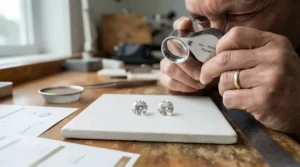
Pearl Origin Differences: Japan, China, and Why It’s Stamped on the Tag
Pearl origin differences aren’t just geographic trivia — they directly shape price, appearance, and how honestly a listing can describe its product. Akoya pearls come almost exclusively from Pinctada fucata oysters cultivated in Japan’s cooler coastal bays (with smaller-scale production in China and Vietnam), and Japanese-origin akoya specifically commands a premium in the resale and collector market due to that region’s century-plus cultivation expertise. Freshwater pearls, meanwhile, are overwhelmingly grown in man-made ponds across China, where tissue-nucleation techniques allow multiple pearls to be cultivated per mussel — a major reason freshwater pricing stays so much lower than akoya’s.
Origin claims aren’t just marketing flourish, either. Under the FTC’s Jewelry Guides, sellers advertising “cultured” pearls must actually disclose that the pearls are cultured rather than simply naming the pearl type, and misrepresenting origin or cultivation method is treated as a genuine consumer-protection issue, not a minor labeling technicality. If a listing is vague about origin, that’s a reasonable flag to ask follow-up questions before buying — especially at akoya price points where “Japanese” versus “unspecified” can shift the price by hundreds of dollars.
Nacre Thickness Explained: The Number That Predicts Durability
If you remember one technical term from this entire guide, make it nacre thickness — it’s the single factor most directly tied to how long your bracelet will actually look good. Nacre is the iridescent substance the mollusk secretes in layers around the nucleus (whether that’s a bead, in akoya’s case, or organic tissue, in freshwater’s case), and thicker, more evenly layered nacre produces both better luster and better long-term durability.
Here’s why this matters more for akoya specifically: because akoya pearls form around a solid bead nucleus, thin nacre risks exposing that bead core if the surface wears down over years of contact — something freshwater’s typically thicker, more solid nacre structure is naturally more resistant to. Pearl specialists generally note that top-tier saltwater pearl types can carry nacre several millimeters thick, while commercial-grade pearls sit much thinner, which is exactly why grading systems weight nacre so heavily. The practical takeaway: when a listing doesn’t mention nacre thickness or grading criteria at all, that omission itself is worth noting, since reputable sellers of both pearl types tend to be specific about it.
💬 Curious how nacre thickness compares across our top 7 picks? Scroll back up — every product listing above calls it out directly.
Price-Per-Quality Ratio: Getting the Most Nacre for Your Dollar
Price-per-quality ratio is where freshwater pearls genuinely dominate the conversation. Because freshwater cultivation yields multiple pearls per mussel and grows with generally thicker natural nacre, you’re paying less per pearl while often getting comparable or superior nacre thickness compared to a similarly-priced akoya piece — you’re simply trading away akoya’s signature sharp luster in the exchange.
Akoya’s price-per-quality math works differently: you’re paying a premium specifically for luster and shape consistency, two factors that are genuinely harder to achieve in saltwater cultivation and that scale in cost disproportionately as size and grade increase. Long-term cost matters here too — akoya’s thinner nacre generally means more frequent professional inspection and potentially earlier restringing intervals compared to a freshwater strand, a real (if modest) ongoing cost that’s worth factoring into any total-cost-of-ownership comparison between the two.
| Price Tier | Freshwater Value | Akoya Value |
|---|---|---|
| Under $150 | Strong — AAA quality widely available | Rare — mostly small, lower-grade pearls |
| $150–$400 | Excellent — premium metals, larger sizes | Fair — entry-level genuine akoya |
| $400+ | Diminishing returns for most buyers | Strong — classic 7–8mm AAA territory |
Looking at the table above, freshwater pearls deliver the strongest price-per-quality ratio below $400, while akoya only starts justifying its premium once you’re solidly in classic 7–8mm AAA territory. Buyers on a tight budget genuinely lose little by choosing freshwater; buyers with $400+ to spend and a specific taste for mirror-shine are the ones for whom akoya’s premium reliably pays off.
Common Mistakes When Buying a Pearl Bracelet
Even careful shoppers trip over the same handful of errors, so let’s name them directly. The first is assuming “AAA” means the same thing across every seller and every pearl type — grading isn’t federally standardized, so a AAA claim is only as trustworthy as the retailer making it. The second is buying based on photos alone without checking for nacre or grading disclosure in the actual listing text, since lighting and photo editing can make thin-nacre pearls look far more lustrous than they are in person. The third is ignoring wrist-size and length specifications, which is how buyers end up with a $600 akoya bracelet that fits like a choker. The fourth is skipping the return policy entirely — always confirm a money-back window exists before buying pearls you can’t physically inspect first. The fifth is treating black or colored akoya as a naturally-occurring color rather than the disclosed treatment it almost always is.
Safety, Regulations and Treatment Disclosure: What Sellers Must Tell You
Pearl jewelry sits under real consumer-protection rules, not just industry tradition. The FTC has taken enforcement action against major retailers for misrepresenting imitation pearls as genuine cultured pearls, which underscores that “cultured pearl” is a legally meaningful term, not just marketing language — a cultured pearl must actually form inside a living mollusk, whereas an imitation pearl is a manufactured product only simulating the appearance. Treatments matter here too: bleaching and luster enhancement are common, accepted, and generally not required to be disclosed on white akoya and freshwater pearls, but dye treatments that produce colors like black akoya are a different category and reputable sellers state this clearly in the listing.
Practically, this means two things for you as a buyer. First, if a listing describes pearls simply as “pearl” without the word “cultured” or “genuine,” ask directly what you’re buying before purchasing. Second, if a color looks unusual for the pearl type (black akoya, for instance), treat the absence of a treatment disclosure as a red flag rather than a bonus feature.

Frequently Asked Questions
❓ Is a freshwater pearl bracelet real pearl or fake?
❓ Which pearl bracelet is better for everyday wear?
❓ Why is akoya pearl bracelet so much more expensive than freshwater?
❓ Can you tell akoya and freshwater pearls apart just by looking?
❓ How do I know if my pearl bracelet has good nacre thickness?
Conclusion
There’s no universal winner in the freshwater pearl bracelet vs akoya pearl bracelet debate, and honestly, anyone selling you a one-size-fits-all answer is skipping the part where your budget, wear habits, and personal taste actually matter more than any spec sheet. Freshwater pearls deliver remarkable value, genuine durability, and color variety that akoya simply can’t match at the same price. Akoya pearls deliver a shine and shape consistency that freshwater, even at its best, doesn’t fully replicate — and for the right occasion, that premium is worth paying. Use the seven picks above as real starting points, apply the decision framework to your own situation, and you’ll land on a bracelet you’re genuinely happy to wear rather than one you just settled for.
Recommended for You
- Freshwater Pearl Bracelet For Wedding: 7 Stunning Picks (2026)
- South Sea Pearl Bracelet for Anniversary Gift: 7 Best Picks 2026
- Freshwater Pearl Bracelet: 7 Best Picks Ranked for 2026
Disclaimer: This article contains affiliate links. As an Amazon Associate, I earn from qualifying purchases. If you purchase products through these links, we may earn a small commission at no additional cost to you.
✨ Found this helpful? Share it with your friends! 💬🤗
