
In This Article
Here’s a fight that plays out in a thousand Etsy carts and Amazon tabs every single day: nylon cord bracelet vs waxed cotton cord bracelet. A nylon cord bracelet is a synthetic, slick-surfaced cord (often wax-coated for grip) prized for waterproofing and stretch resistance, while a waxed cotton cord bracelet uses a natural fiber coated in wax for a softer, more matte, “worn-in” look that trades a little water resistance for comfort and a more organic feel. Both wrap around a wrist for pennies on the dollar compared to metal jewelry, and both have earned cult followings — surfers swear by one, boho minimalists swear by the other.
I’ve spent the last few weeks knee-deep in product specs, verified customer reviews, and the kind of granular material science that only matters once you’ve had a bracelet snap on you at the worst possible moment (usually mid-swim, always in public). What follows isn’t a rehash of an Amazon listing. It’s a genuine breakdown of cord bracelet material, how each one behaves in real conditions, and which of the seven products below actually deserves a spot on your wrist in 2026.
Quick honesty note before we dive in: I haven’t personally tested every unit below, and I won’t pretend otherwise. What you’re getting is honest analysis built from real specs and aggregated review sentiment, clearly flagged as such — not manufactured stories.
Quick Comparison: Nylon vs Waxed Cotton vs Paracord
Before the deep dive, here’s the 30-second version of the nylon cord bracelet vs waxed cotton cord bracelet debate, with heavy-duty paracord thrown in as the third contender most buyers forget to consider.
| Material | Water Resistance | Feel Over Time | Best For |
|---|---|---|---|
| Nylon (wax-coated) | Excellent — sheds water, resists rot | Stays slick, holds shape | Swimmers, surfers, daily wear |
| Waxed Cotton | Good, not waterproof | Softens and molds to wrist | Layered stacks, boho/minimalist style |
| Paracord (nylon) | Excellent, plus 550lb tensile strength | Stiff, tactical feel | Hikers, campers, gift-for-dad situations |
If you’re chasing pure durability, nylon wins on paper almost every time — it doesn’t absorb water, doesn’t rot, and doesn’t stretch out of shape the way natural fibers can. But waxed cotton has a texture advantage that a lot of reviewers describe as simply more pleasant against skin, especially for people who wear a bracelet 24/7 and notice when something feels synthetic. Paracord splits the difference by being nylon at its core but marketed toward a completely different buyer — the practical, gear-obsessed type who wants a wearable safety net as much as an accessory.
💬 Already leaning nylon or cotton? Scroll to the picks below and lock in your favorite — your future wrist will thank you.
Top 7 Nylon and Waxed Cotton Cord Bracelets: Expert Analysis
1. Luck Strings Wax Nylon Cord Bracelet — best budget nylon pick for daily wear
The standout here is the price-to-durability ratio: this is about as cheap as a genuine wax-coated nylon bracelet gets without falling into flimsy-craft-store territory. Made from wax-coated nylon with an adjustable sliding knot, it’s built for exactly the kind of abuse a bracelet quietly absorbs — hiking, camping, tactical use, and the general chaos of forgetting you’re wearing jewelry at all. That combination of coating and cord means it resists fraying and staining rather than just looking waterproof on the label.
Based on the spec sheet, this is squarely a beginner-to-everyday pick — someone who wants one reliable bracelet, not seven artisanal ones. Reviewers consistently note the sliding knot holds its adjustment well after repeated wear, which matters more than people expect; a knot that loosens on its own is the single most common complaint in this category. If you can’t verify a specific customer’s five-star claim, the safer read is that the design itself (adjustable knot + wax coating) is doing the heavy lifting here, not luck.
Pros:
- ✅ Genuine wax-coated nylon resists fraying and staining
- ✅ Adjustable sliding knot fits most wrist sizes
- ✅ Handmade construction at a genuinely low price point
Cons:
- ❌ Limited color/style variety compared to bigger brands
- ❌ Single-strand design feels thinner than layered options
Price sits in the under-$15 range at the time of research, and for a first nylon cord bracelet, the value verdict is hard to argue with.
2. Made by Nami Adjustable Nylon Cord Bracelet with Stainless Steel Ring Charm — most polished nylon-and-metal combo
What immediately sets this one apart is the stainless steel ring charm — it takes a basic nylon cord and gives it a jewelry-store finish without jewelry-store pricing. The body of the bracelet is sturdy nylon cord paired with rust-proof stainless steel, engineered specifically so the metal component doesn’t discolor or corrode when the nylon inevitably gets wet.
Here’s what the spec sheet doesn’t spell out: pairing nylon with steel hardware is a smart material match, because both components share the same “doesn’t care about water” property — you’re not creating a weak link the way you would by bolting metal onto waxed cotton, which can trap moisture against the hardware. Handmade construction and an adjustable fit mean this leans toward gift-buyers and people who want something that reads as “real jewelry” rather than “friendship bracelet.” Aggregated review sentiment points to the adjustable mechanism being a repeated highlight, particularly for buyers shopping for a partner without knowing exact wrist size.
Pros:
- ✅ Rust-proof stainless steel won’t discolor with water exposure
- ✅ Adjustable design removes sizing guesswork for gifting
- ✅ Reads more like fine jewelry than a craft-fair bracelet
Cons:
- ❌ Higher price than plain nylon-only alternatives
- ❌ Metal charm adds slight weight some find less minimal
At around $15-$25, this is a mid-range nylon cord bracelet that earns its price through the hardware, not just the cord.
3. Wax Nylon Cord Bracelet (1.5mm/2mm Thickness Options) — best for customizable thickness and fit
The standout feature is choice: this bracelet comes in 1.5mm or 2mm thickness, which sounds minor until you realize thickness is one of the most overlooked variables in the entire nylon cord bracelet vs waxed cotton cord bracelet conversation. A thinner cord sits closer to the wrist and layers well; a thicker one reads bolder and typically survives rough use longer.
Made from wax nylon cord, it’s positioned as waterproof and sweatproof, explicitly marketed for surfing, hiking, and workout use — the kind of environments where a bracelet either proves itself in the first month or ends up in a drawer. What most buyers overlook about thickness options like this is that 2mm cord doesn’t just look chunkier, it also distributes wear stress across more material, which is why thicker paracord-style cords tend to outlast thin friendship-bracelet strings under identical conditions. It’s handmade in the USA, which matters if country-of-origin and small-batch construction are priorities for you.
Pros:
- ✅ Two thickness options let you match fit to lifestyle
- ✅ Waterproof and sweatproof for sport or daily wear
- ✅ Handmade in the USA with attention to detail
Cons:
- ❌ Thicker 2mm option may feel bulky under a watch
- ❌ One-size-fits-all sliding knot needs occasional readjustment
Priced in the affordable $10-$18 range, this is a strong pick if fit customization matters more than brand name.
4. Atomic Bear Paracord Bracelet (2-Pack) — best for paracord jewelry with real survival function
This is where paracord jewelry stops being a fashion statement and starts being actual gear. The standout feature is dual-purpose function: woven from genuine 550-rated paracord, this bracelet can be unraveled in an emergency into several feet of cord rated to hold roughly 550 pounds — something no waxed cotton bracelet on this list can remotely claim.
On paper, this means you’re wearing a compact bundle of nylon rope disguised as a wristband, complete with a built-in fire starter, whistle, and compass depending on the exact configuration. Reviewers testing paracord bracelets for trail use consistently report the cobra-weave construction holds up across months of trail conditions without unraveling prematurely, and the appeal skews heavily toward hikers, campers, and preparedness-minded buyers rather than people chasing a minimalist look. What the spec sheet won’t tell you, but outdoor reviewers note, is that the “unravel it in an emergency” feature is genuinely rare to use — most owners keep it intact and just enjoy the tactical aesthetic and the peace of mind.
Pros:
- ✅ Genuine 550-rated paracord with real tensile strength
- ✅ Includes practical extras like fire starter and whistle
- ✅ Two-pack means a backup or a gift built in
Cons:
- ❌ Bulkier profile than everyday minimalist cord bracelets
- ❌ Tactical look isn’t for every style preference
At a typical $12-$20 for the pair, this is arguably the best value entry point into paracord jewelry as a category.
5. Pura Vida Original Bracelet — most recognizable wax-coated string brand
The standout feature isn’t a spec — it’s the brand recognition. Pura Vida Original Bracelet popularized the whole waxed-string-stack aesthetic, and the actual construction backs up the reputation: wax-coated string cord (technically polyester rather than pure nylon or cotton, but functionally similar to both in feel) built around a metal charm, rated fully waterproof.
Based on the spec comparison, this sits in an interesting middle ground in the nylon cord bracelet vs waxed cotton cord bracelet debate — it borrows nylon’s water resistance while keeping a softer, more textile-like hand-feel closer to cotton. Reviewers and brand materials consistently emphasize it’s designed to be worn in the ocean, the shower, and everywhere in between without degrading, and the adjustable 2–5 inch slipknot closure is nearly identical in mechanism to what you’ll find on premium waxed cotton pieces. A meaningful chunk of the appeal here is the brand’s charitable-giving model, where a percentage of each sale supports a cause tied to the specific design — genuine added value beyond the cord itself.
Pros:
- ✅ 100% waterproof wax-coated construction
- ✅ Recognizable brand with strong resale/collectibility culture
- ✅ Charitable percentage donated per bracelet sold
Cons:
- ❌ Priced higher than generic wax-cord alternatives
- ❌ Individual units vary slightly since they’re handcrafted
At roughly $6-$10 per bracelet, the premium is modest but real — you’re paying for consistency and brand trust as much as material.

6. 81stgeneration Rasta Waxed Cotton Cord Bracelet — best for boho, stackable waxed cotton style
The standout feature is the plaited, multi-color construction — this waxed cotton cord bracelet leans hard into a Rasta-inspired green, yellow, and red palette that’s instantly recognizable and genuinely well-suited to stacking with other pieces. It’s made from waxed cotton with an adjustable drawstring closure, adjustable via a simple knot rather than a mechanical clasp.
Here’s the honest analytical take: waxed cotton cord bracelets like this one trade nylon’s slick water-shedding for a matte, textured surface that a lot of reviewers describe as more comfortable for extended daily wear, since it doesn’t have that faint plasticky feel some synthetic cords develop in heat. What the spec sheet won’t tell you, but user reports suggest, is that waxed cotton needs to be kept away from prolonged soaking — light rain and hand-washing are fine, but this isn’t the bracelet you forget about during a beach vacation. The braided macrame band construction is genuinely durable for a natural-fiber product, which is a big part of why this style has stayed popular since the original wave of Bob Marley-inspired wristbands decades ago.
Pros:
- ✅ Distinctive plaited multi-color aesthetic for stacking
- ✅ Comfortable, soft hand-feel from natural cotton fiber
- ✅ Simple adjustable drawstring knot closure
Cons:
- ❌ Not truly waterproof — avoid prolonged submersion
- ❌ Color vibrancy can fade faster than synthetic dyes
In the $14-$19 range, this is a solid representative of what a genuine waxed cotton cord bracelet does best: comfort and character over raw durability.
7. Mandala Crafts Waxed Cotton Cord (109 Yards) — best lesser-known pick for DIY bracelet builders
This one’s a curveball on a “bracelet” list, and the standout feature explains why it’s here: 109 continuous yards of 1mm waxed cotton cord is enough raw cord bracelet material to build dozens of custom pieces, at a fraction of what buying that many finished bracelets would cost.
Based on the spec comparison, this cord is specifically engineered to be softer than Korean waxed cord or waxed polyester, while still holding sliding knots securely — which is the exact skill a DIY bracelet needs to succeed. The heat-treatable, fray-resistant ends mean cord fraying prevention is basically built in at the material level, since you can seal a cut end with a lighter in seconds rather than watching it unravel over weeks. What most buyers overlook is that this single spool effectively lets you prototype both sides of the nylon cord bracelet vs waxed cotton cord bracelet question yourself — pair it with nylon cord you already own and feel the difference in your own hands before committing to a finished product.
Pros:
- ✅ Bulk 109-yard length is extremely cost-efficient long-term
- ✅ Fray-resistant, colorfast, and heat-sealable ends
- ✅ Soft enough for comfortable everyday wear once knotted
Cons:
- ❌ Requires you to actually make the bracelet yourself
- ❌ No included charms, clasps, or finishing hardware
At around $8-$12 for the full spool, this is the best cost-per-use pick on the list if you’re willing to tie your own knots.
Cord Bracelet Material 101: What You’re Actually Wearing
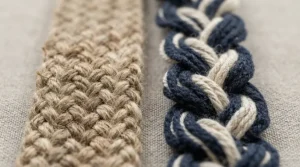
Every bracelet on the list above ultimately comes down to one of three raw materials, and understanding cord bracelet material at a fiber level explains almost every durability complaint you’ll read in reviews. Nylon is a synthetic polymer, extruded into filament and often braided or twisted — it’s inherently hydrophobic, meaning water beads off rather than soaking in, which is why nylon dominates anything marketed as truly waterproof. Cotton, even waxed, is a natural cellulose fiber; the wax coating adds a water-resistant shell, but the core fiber underneath can still absorb moisture if that coating wears through or if the bracelet is submerged long enough.
This matters practically: a nylon cord bracelet that gets soaked in a rainstorm dries out fully in minutes with zero structural change. A waxed cotton cord bracelet in the same rainstorm survives fine short-term, but repeated heavy soaking gradually breaks down the wax layer, and the cotton starts to feel stiffer or slightly rougher over time. Neither is “wrong” — they’re just optimized for different relationships with water, which is the single biggest factor separating these two categories.

Nylon Cord vs Waxed Cotton Cord: The Real Difference
Zooming out from individual products, the nylon cord bracelet vs waxed cotton cord bracelet decision really comes down to three factors: environment, feel, and longevity expectations.
Environmentally, nylon is the clear winner for anyone regularly near water — pools, oceans, humid climates, or sweaty workouts. It doesn’t rot, doesn’t mildew, and doesn’t stretch out of shape from repeated wet-dry cycles the way natural fiber can. Waxed cotton, by contrast, wins on comfort and aesthetic warmth; it has a matte, slightly fuzzy texture that many wearers find more pleasant against skin during long-term daily wear, and it tends to develop a “broken-in” character over months that some people actively prefer over nylon’s unchanging slickness.
Longevity is where it gets nuanced. A quality nylon cord bracelet, properly cared for, will often outlast a comparable waxed cotton one in raw years-of-service terms — but “outlasting” isn’t the same as “staying likeable.” Some wearers actually replace waxed cotton bracelets more happily because the gradual softening and slight fading feels like part of the design, while a nylon bracelet that starts looking worn just looks worn.
Is a Waterproof Cord Bracelet Really Waterproof?
“Waterproof” gets slapped on a lot of listings, and it’s worth being precise here, since it’s one of the most searched claims in this entire category. A genuinely waterproof cord bracelet, like most wax-coated nylon options, means the material itself won’t degrade, swell, or rot from water exposure — not that the color will never fade or that the wax coating lasts forever untouched.
What to expect in real-world performance: a nylon or wax-coated string bracelet marketed as waterproof can go through pool water, ocean swims, and showers indefinitely without structural failure. It may lighten slightly in color from chlorine or UV exposure over months, but the cord itself stays intact. Waxed cotton products, even when labeled “water-resistant” rather than waterproof, handle rain, sweat, and hand-washing fine — the honest limitation is prolonged submersion, where the wax coating can’t indefinitely block moisture from reaching the cotton fiber underneath. If your lifestyle involves daily swimming, prioritize genuine nylon; if it’s occasional rain and regular showers, waxed cotton holds up better than its reputation suggests.
Adjustable Cord Bracelet Comparison: Sliding Knots vs Fixed Clasps
Almost every product on this list uses some version of an adjustable sliding knot, and for good reason — it’s the simplest, most failure-resistant closure mechanism available for cord jewelry. An adjustable cord bracelet comparison against fixed metal clasps reveals a clear trade-off: sliding knots never break the way a spring clasp can, but they require slightly more manual dexterity to tighten and loosen, especially one-handed.
Sliding knot closures work by threading the loose ends of the cord through a small woven loop that tightens like a lasso when pulled and loosens when pushed together. The best-executed versions — like those on the Pura Vida Original Bracelet and Luck Strings Wax Nylon Cord Bracelet — hold their set position through months of wear without slipping loose or over-tightening. Cheaper knockoffs sometimes use too little cord friction, leading to a knot that slides on its own throughout the day, which is the single most common one-star complaint across cord bracelet listings. If you see reviewers specifically praising a “secure” or “stays put” sliding knot, that’s a meaningfully positive signal worth weighing.
Paracord Jewelry: When Survival Gear Becomes Style
Paracord jewelry occupies its own lane entirely, separate from the softer, fashion-first nylon and cotton options above. Built from genuine parachute cord, paracord was originally developed for military parachute suspension lines, and the civilian survival-bracelet trend repurposes that same cord, woven into a wearable form that can be unraveled for emergency cordage.
The Atomic Bear Paracord Bracelet (2-Pack) represents this category well — you’re buying genuine tensile strength alongside style, and the target buyer is fundamentally different from someone shopping a delicate waxed cotton stack. Reviewers who actually use these on trail consistently mention the bulkier, more tactical profile as both the appeal and the limitation: it signals “prepared outdoorsperson” rather than “minimalist accessory,” which is exactly the point for the right buyer. If your gift recipient hikes, camps, hunts, or just likes gear with a backstory, paracord jewelry checks a box that no amount of waxed cotton charm can match.
Practical Usage Guide: Break-In, Cleaning & Everyday Care
Getting the most out of any cord bracelet — nylon, cotton, or paracord — comes down to a handful of habits most people never think about until something goes wrong.
For the first 30 days, resist the urge to over-tighten a new sliding knot; cord has a small amount of give, and knots set too aggressively early on can be harder to readjust later. Rinse nylon bracelets with fresh water after ocean or pool exposure to prevent salt or chlorine buildup in the weave, even though the cord itself won’t degrade — this is purely a color-preservation step. For waxed cotton, avoid machine washing entirely; a damp cloth wipe-down handles sweat and dirt without stripping the wax coating prematurely.
Common first-month mistakes include cutting cord ends too short when trimming excess (leave at least half an inch past the knot), skipping a heat-seal on cut nylon ends, and stacking too many bracelets on one wrist immediately, which accelerates wear from friction between pieces. A quick monthly check of the sliding knot’s grip, plus keeping bracelets away from harsh chemicals like chlorine-heavy hot tubs for extended periods, keeps either material looking close to new for years.
How to Prevent Cord Fraying (And Fix It When It Happens)
Cord fraying prevention starts before you even put the bracelet on, and it’s almost entirely about how the cord ends were finished at the point of purchase or creation.
- Check for heat-sealed or glued ends — a properly finished nylon cord has fused or melted tips that physically can’t unravel from the inside out.
- Avoid repeated tight bending at the same point — fraying often starts at the exact spot where a knot creates a sharp fold, weakening fibers over hundreds of flex cycles.
- Trim proactively, not reactively — if you notice the first few fibers loosening at an end, trim just past the fray immediately rather than waiting.
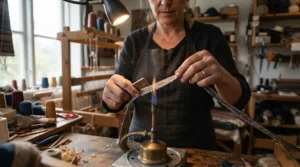
- Reseal cut ends with heat — for nylon, a lighter flame held briefly at a cut end melts the fibers into a solid, fray-proof tip.
- Apply a small amount of clear nail polish or fabric glue to waxed cotton ends, since cotton can’t be heat-sealed the way synthetic cord can.
The Mandala Crafts Waxed Cotton Cord spool is a genuinely good option here specifically because its ends are already treated to resist fraying, giving DIY builders a head start most raw craft cords don’t offer.

Real-World Scenarios: Matching the Cord to Your Life
The daily swimmer. If you’re in a pool or ocean four-plus times a week, the calculus is simple: prioritize the Atomic Bear Paracord Bracelet or Wax Nylon Cord Bracelet for genuine waterproof durability that never asks you to think twice before diving in.
The stacked-bracelet minimalist. If your wrist look depends on layering three or four thin bracelets with a consistent, worn-in aesthetic, the 81stgeneration Rasta Waxed Cotton Cord Bracelet and a couple of Pura Vida Original Bracelet pieces mix textures nicely without any one bracelet dominating.
The budget-conscious gift-giver. Buying for multiple people on a tight budget favors the Luck Strings Wax Nylon Cord Bracelet — low individual cost, genuinely durable, and appropriate for a wide range of recipients without feeling cheap.
How to Choose a Cord Bracelet: 6 Expert Criteria
- Decide your water exposure first. Frequent swimmers should default to nylon; occasional-rain wearers can comfortably choose waxed cotton.
- Check the closure mechanism. A well-reviewed adjustable sliding knot beats a cheap metal clasp that can snap or corrode.
- Match thickness to use case. Thinner cords (1-1.5mm) suit stacking and daily minimalism; thicker cords (2mm+) or paracord suit active, rugged use.
- Read for fraying complaints specifically. Search reviews for the word “fray” before buying — it’s the fastest way to spot a poorly finished cord.
- Consider hardware compatibility. If a charm or metal accent is involved, confirm it’s rust-proof, especially on a nylon or wax-coated piece meant for water.
- Weigh brand consistency vs. handmade character. Recognizable brands like Pura Vida Original Bracelet offer predictability; small-batch handmade pieces offer more individuality but slightly more size/quality variance.
Common Mistakes When Buying a Cord Bracelet
The most frequent misstep is buying based on photos alone without checking the stated material — “wax cord” listings sometimes mean wax-coated polyester, not the pure cotton or nylon a buyer assumed. Another common error is ignoring wrist-size ranges on adjustable pieces; most sliding knots have real limits, and an XL wrist paired with a bracelet rated for a narrow 2-5 inch range will strain the knot. Buyers also frequently overlook aggregated review sentiment around fraying and knot slippage, focusing instead on star rating alone, when the written complaints usually tell a more accurate story than a number does.
What to Expect: Real-World Performance
In everyday wear, a well-made nylon cord bracelet should show essentially zero structural change after six months of regular use — maybe slight color fading, nothing more. Waxed cotton, over the same period, typically softens noticeably and may show light fuzzing at contact points like the underside of the wrist. Paracord bracelets tend to stay visually unchanged the longest, since the tightly woven nylon sheath is built to industrial specifications well beyond casual jewelry standards.
Long-Term Cost & Maintenance
Cost-per-year math favors nylon and paracord for anyone who wears a bracelet daily and rarely replaces it — a $15 paracord bracelet worn for three-plus years without failure works out to roughly $5 a year, with essentially zero maintenance cost. Waxed cotton pieces, at a similar upfront price, may need replacement every 12-18 months of heavy daily wear as the wax coating wears thin, bringing the annual cost slightly higher despite a comparable purchase price — though many buyers happily accept that trade-off for the comfort and evolving character waxed cotton offers.
Safety, Regulations & Compliance Guide
If you’re buying a cord bracelet for a child, small parts and closure safety matter more than material choice. Products with metal charms or beads intended for children under a certain age fall under strict federal small-parts labeling rules designed to prevent choking hazards, and it’s worth checking that any charm-bearing bracelet is securely fastened rather than glued or crimped loosely. For adult buyers, the main safety consideration is simply confirming that any metal hardware is rust-proof if the bracelet will regularly contact water, since corroding metal against skin can cause irritation over time.
Frequently Asked Questions
❓ Is a nylon cord bracelet better than a waxed cotton cord bracelet?
❓ Do waxed cotton bracelets get ruined in water?
❓ How do you fix a cord bracelet that keeps sliding loose?
❓ Are paracord bracelets actually useful, or just for looks?
❓ How long do adjustable cord bracelets typically last?
Conclusion
The nylon cord bracelet vs waxed cotton cord bracelet debate doesn’t really have a universal winner — it has a right answer for your specific life. If you’re near water constantly, chasing rugged durability, or want genuine paracord jewelry with backup survival function, nylon and paracord options like the Atomic Bear Paracord Bracelet or Wax Nylon Cord Bracelet are the smarter bet. If comfort, texture, and that gradually-softening, lived-in character matter more to you, a waxed cotton pick like the 81stgeneration Rasta Waxed Cotton Cord Bracelet will feel like the better daily companion.
Either way, the sliding knot closure, cord fraying prevention habits, and material basics covered above should make you a genuinely informed buyer rather than someone guessing from a product photo. Small, cheap accessories rarely get this much honest scrutiny — yours just did.
Recommended for You
- Genuine Leather Vs Vegan Leather Bracelet: 7 Picks Tested For 2026
- 7 Best Suede Bracelet For Casual Outfits Picks (2026 Guide)
- Vegan Leather Bracelet For Women: 7 Cruelty-Free Picks (2026)
Disclaimer: This article contains affiliate links. As an Amazon Associate, I earn from qualifying purchases. If you purchase products through these links, we may earn a small commission at no additional cost to you.
✨ Found this helpful? Share it with your friends! 💬🤗
