
In This Article
Picture the third set of heavy rows. Your palms are chalky and your forearms are on fire. Somewhere under your sleeve, a wrist accessory is slowly turning into a damp, slippery nuisance. That is the moment a silicone bracelet for gym workouts stops being a style choice and becomes a piece of kit.

Here’s the honest framing. The best silicone bracelet for gym workouts today is usually a slim fitness band with a soft silicone strap, not a plain rubber wristband. It holds a heart-rate sensor, a battery, and a screen or a silent sensor pod, all in a package light enough that you forget it’s there until your set ends. A plain rubber loop looks the part but tells you nothing about your training.
I should be upfront about how this guide was built. It’s based on spec sheets, editorial reviews, and aggregated user feedback from the sources linked throughout. It isn’t based on personal ownership of these products. Where reviews couldn’t be verified for a specific model, I say so. Prices are ranges, because they shift constantly and you should always check current pricing.
You’ll get seven real products, a plain-English breakdown of the ratings that matter (IP68, 5ATM), and practical guidance on skin comfort, fit, and cleaning. You’ll also learn where a band fits next to the rest of your weightlifting gear. Nothing here repeats an Amazon listing. The aim is to help you decide.
Quick Comparison: 7 Silicone Gym Bands at a Glance
Before the deep dives, here’s the cheat sheet. Battery figures come from editorial spec roundups and manufacturer claims, so real-world numbers drop with heavy use of the screen and sensors.
| Product | Standout trait | Battery (claimed) | Water rating | Approx. price range | Best For |
|---|---|---|---|---|---|
| Xiaomi Smart Band 10 | Value king | ~21 days | 5ATM | Under $70 | Budget lifters |
| Amazfit Band 7 | Slim, screen-forward | ~18 days | Water-resistant (check spec) | Around $50 | Minimalists |
| Fitbit Inspire 3 | Lightweight comfort | ~10 days | Water-resistant (check spec) | $80-$100 | First-time trackers |
| Fitbit Charge 6 | Gym-equipment heart-rate sync | ~6-7 days | Swim-proof (check spec) | $100-$160 | All-round gym use |
| Garmin vivosmart 5 | No-fuss Garmin ecosystem | ~7 days | 5ATM | $120-$150 | Garmin loyalists |
| Garmin vívoactive 5 | Subscription-free depth | ~11 days | 5ATM (check spec) | $250-$300 | Data-hungry lifters |
| WHOOP 5.0 | Screenless recovery focus | ~14 days | Water-resistant (check spec) | Membership-based | Serious recovery tracking |
Looking at the table, the Xiaomi Smart Band 10 wins on pure value, while the WHOOP 5.0 takes the opposite route and charges you for a coaching ecosystem rather than a gadget. If you want a screen and Bluetooth sync with cardio machines, the Fitbit Charge 6 sits in the middle. If you hate subscriptions, the Garmin vívoactive 5 and Garmin vivosmart 5 avoid them.
💬 Just one click — help others make better buying decisions too!😊
Top 7 Silicone Bracelet for Gym Workouts Picks: Expert Analysis
Wearable reviewers consistently rate screenless and slim-band options highly for lifters, as Wareable’s gym wearable roundup shows. Each pick below is framed around lifting-floor realities: sweat, barbell contact, and the odd wrist-wrap session.
1. Xiaomi Smart Band 10 — best value under $70
Start with the Xiaomi Smart Band 10, because its price-to-feature ratio is hard to ignore. Editorial roundups cite a bright AMOLED screen (a 1.72-inch panel at around 1,500 nits), 150+ sport modes, and roughly 21 days of battery.
On a gym floor, brightness matters more than it sounds. Chalk dust and fluorescent glare wash out dim screens, so a bright panel saves you from squinting between sets. The 5ATM rating means a sweaty wrist and a post-workout rinse are well within its comfort zone.
Reviewers consistently describe it as delivering most of a premium tracker’s features at a fraction of the cost. A recurring complaint is that the companion app feels less polished than Garmin’s or Fitbit’s, and some roundups note heart-rate accuracy sits below premium options. Availability and warranty for global-market units may vary, so verify before buying.
Pros:
- ✅ Bright AMOLED screen readable under gym lights
- ✅ Very long claimed battery life
- ✅ Huge range of workout modes
Cons:
- ❌ Companion app less polished than rivals
- ❌ Heart-rate accuracy below premium trackers
Price: typically under $70, and a strong value verdict for anyone who wants a capable silicone bracelet for gym workouts without a subscription.

2. Amazfit Band 7 — slimmest budget band with a big screen
The Amazfit Band 7 earns its place through sheer comfort. It has a full-colour AMOLED screen (198 x 368 pixels), noticeably sharper than the monochrome OLED on the Garmin vivosmart 5, and it launched at an entry price around $50.
A sharper display matters in a very practical way: you can read your heart-rate zone mid-set without bringing your wrist to your face. The band also recognises a handful of common activities automatically, such as running, walking, and rowing machine, and reviewers cite battery life in the neighbourhood of 18 days.
Editorial reviews flag two trade-offs. There’s no built-in GPS, so outdoor runs lean on your phone, and the app ecosystem is smaller than Garmin’s or Fitbit’s. For gym-only users, neither is a dealbreaker. I’d treat this as the “wear it and forget it” option for people who lift indoors and want the lightest possible wrist presence.
Pros:
- ✅ Sharp AMOLED display for the price
- ✅ Strong claimed battery life
- ✅ Slim, unobtrusive profile on the wrist
Cons:
- ❌ No built-in GPS
- ❌ Smaller app ecosystem than major rivals
Price: around $50, a good value verdict for indoor-only lifters.
3. Fitbit Inspire 3 — lightweight comfort for first-time trackers
The Fitbit Inspire 3 is the gentle on-ramp. Reviews highlight a lightweight, slim design, around 10 days of battery, stress-management tools, and a six-month Premium trial included with purchase.
What does “lightweight” mean when you’re lifting? It means the band won’t dig into your wrist during front-rack positions or press-ups, and it’s less likely to snag on a barbell sleeve. For someone just beginning to track gym sessions, that matters more than a long spec list.
The honest catch: community feedback from Fitbit users tends to prefer the Fitbit Charge 6 for screen readability, noting the Inspire line’s display is harder to read. If you have good eyesight and want to keep things simple, the Inspire is hard to fault.
Pros:
- ✅ Very light and comfortable to wear
- ✅ Decent multi-day battery life
- ✅ Premium trial included at purchase
Cons:
- ❌ Smaller screen harder to read mid-workout
- ❌ Fewer gym-specific features than the Charge 6
Price: roughly $80-$100, and a solid value verdict for beginners.
4. Fitbit Charge 6 — Bluetooth heart rate on gym machines
If one product anchors this category, it’s the Fitbit Charge 6. Multiple editorial roundups pick it as an all-rounder, praising Bluetooth heart-rate broadcast to compatible gym equipment, 40+ exercise modes, built-in GPS, ECG, and roughly 6-7 days of battery.
The gym-equipment sync is the headline for treadmill and bike users: your wrist heart rate can feed supported machines directly, so you aren’t gripping sensors with sweaty palms. For lifters, the exercise modes and daily readiness score add a layer of context between training days.
Reviewers do raise two recurring points. The full set of health insights depends on a Fitbit Premium subscription, and some forum users complain that protruding sensors can irritate skin with longer wear. If you’re prone to rashes, read the skin-care section later in this guide before committing.
Pros:
- ✅ Bluetooth heart rate sync with compatible machines
- ✅ Built-in GPS and ECG features
- ✅ Wide range of exercise modes
Cons:
- ❌ Premium subscription unlocks fuller insights
- ❌ Some users report sensor-related skin irritation
Price: broadly $100-$160 depending on sales, and a good value verdict for all-round gym use.
5. Garmin vivosmart 5 — the no-nonsense Garmin ecosystem band
The Garmin vivosmart 5 isn’t flashy, and that’s the appeal. It has a monochrome OLED display (88 x 154 pixels), which sounds humble next to AMOLED rivals, but it connects you to the Garmin Connect app without a subscription.
On the gym floor, the small display means fewer distractions and more battery sipped. Garmin’s strength is its health dashboards, including its Body Battery energy metric on supported models, which gives lifters a rough readiness cue between sessions.
Aggregated impressions on user forums are mixed on comfort. Some owners complain about silicone strap irritation across several brands, Garmin included, so strap material and fit deserve attention here. Editorial comparisons praise its value against the Amazfit Band 7, though note the Amazfit’s screen is clearly better.
Pros:
- ✅ Free Garmin Connect app, no subscription
- ✅ Compact, minimal-distraction design
- ✅ 5ATM rating suits sweat and rinsing
Cons:
- ❌ Small monochrome screen less vivid
- ❌ Some users report strap-related skin irritation
Price: around $120-$150, with a value verdict that favours Garmin loyalists.

6. Garmin vívoactive 5 — subscription-free depth for data-hungry lifters
The Garmin vívoactive 5 is the step up when you want more data without a monthly bill. Editorial reviews highlight an AMOLED display, roughly 11 days of battery, Body Battery tracking, and 30+ preloaded sports apps.
For lifting, what it practically gives you is a screen bright enough to check between sets and a readiness view that helps you decide whether to push or ease off. It’s a smartwatch-style device, so it’s chunkier than a pure band, but still manageable under a sleeve.
Several reviewers name it the best subscription-free option for lifting. The trade-off is simply cost and size: it’s the priciest watch-style option here, and its footprint is larger than the true “bracelet” bands.
Pros:
- ✅ Bright AMOLED screen for quick glances
- ✅ No subscription required for core features
- ✅ Body Battery readiness insights
Cons:
- ❌ Pricier than slim-band competitors
- ❌ Bulkier than true bracelet-style options
Price: broadly $250-$300, a fair value verdict if you want depth without a subscription.
7. WHOOP 5.0 — screenless recovery coaching
The WHOOP 5.0 flips the whole idea. There’s no screen, so nothing on your wrist begs for attention mid-set. Wareable names it the best gym wearable overall, and other roundups cite a roughly 14-day battery and a Strength Trainer feature with guided content.
That screenless design is a real advantage if you hate checking numbers during lifts. The trade is that you read everything through the app, and you pay through a membership model rather than a one-time hardware purchase, which several reviewers call costly.
I’d frame this as a recovery-and-load tool, not a flashy accessory. If you want a silicone bracelet for gym workouts that quietly records strain and sleep, it fits. If you want a quick glance at your watch for rest timing, look elsewhere. Check the current band material options before buying, since strap styles vary by purchase.
Pros:
- ✅ No screen, no mid-set distraction
- ✅ Strong recovery-focused analytics
- ✅ Long claimed battery life
Cons:
- ❌ Membership cost ongoing
- ❌ Everything lives in the app
Price: membership-based, so compare total yearly cost, a worthwhile verdict for committed data-driven athletes.
Top 7 Specs Comparison
| Product | Display | Gym-specific angle | Subscription needed? | Best For |
|---|---|---|---|---|
| Xiaomi Smart Band 10 | AMOLED, bright | 150+ sport modes | No | Value hunters |
| Amazfit Band 7 | AMOLED, sharp | Auto activity detection | No | Minimalists |
| Fitbit Inspire 3 | Small screen | Light, simple tracking | Optional Premium | Beginners |
| Fitbit Charge 6 | Colour screen | Bluetooth sync to machines | Optional Premium | All-rounders |
| Garmin vivosmart 5 | Monochrome OLED | Garmin Connect ecosystem | No | Garmin fans |
| Garmin vívoactive 5 | AMOLED | Body Battery, sports apps | No | Data seekers |
| WHOOP 5.0 | None | Recovery and Strength Trainer | Yes (membership) | Recovery nerds |
Reading the table, subscription is the quiet dividing line. The Garmin vívoactive 5 and Xiaomi Smart Band 10 keep your long-term costs predictable, while the WHOOP 5.0 and Fitbit Charge 6 reward users who actually engage with their apps. Pick based on whether you’ll genuinely open the dashboard every week.
What Is a Silicone Bracelet for Gym Workouts?
A silicone bracelet for gym workouts is a soft, flexible wrist band made from silicone, ranging from a basic rubber loop to a full fitness tracker with a silicone strap. It resists sweat, rinses clean, and stays comfortable through heavy training. For tracking, choose one with a heart-rate sensor.
That 40-ish word definition matters because the term is loose. Searchers often mean one of three things: a plain silicone wristband with a slogan, a replacement strap for a smartwatch, or a full fitness band. This guide concentrates on the third, because it gives you the most for your money.
Why silicone? It’s non-porous, flexible, and easy to wipe down. That’s why it dominates sport straps. The IP code system used on many devices is also relevant, since it describes how well a band’s casing handles dust and water, a topic we’ll unpack shortly.

How to Choose a Silicone Bracelet for Gym Workouts
Follow these seven steps, in order, to avoid regret:
- Decide whether you need a screen. Lifters who hate distraction may love a screenless option; others need a glanceable display for rest timers.
- Check the water rating. Look for IP68 and, ideally, 5ATM, then verify the manufacturer states what activities are supported.
- Weigh subscription costs. A cheap band with a pricey membership can cost more over two years than a premium subscription-free one.
- Test strap comfort and fit. Soft silicone with a secure closure beats a stiff strap that slides on sweaty wrists.
- Look for gym-specific features. Heart-rate broadcast to machines, strength modes, and rep awareness matter more than step counting.
- Consider battery life realistically. Claimed numbers shrink under heavy use, so favour a margin of safety.
- Think about skin sensitivity. If you’ve reacted to wearables before, prioritise materials and fit over features.
Notice what’s absent: brand loyalty. Pick the band that fits your training pattern and the app you’ll actually open.
Sweatproof Gym Bracelet: What the Ratings Actually Promise
Marketing loves the phrase “sweatproof gym bracelet”, but the label alone doesn’t tell you much. The useful language is in ratings. IP68 means dust-tight and able to handle immersion in fresh water to a stated depth, while 5ATM relates to water pressure equivalent to 50 metres, as Wareable’s IP and ATM explainer lays out.
In practice, sweat is mild compared with those lab tests. A band carrying either rating will cope with a hard session and a quick rinse. Where things go wrong is long-term: seals can degrade, and heat from saunas or hot soapy water can shorten a device’s water resistance.
Here’s the practical translation. If a product lists a rating, trust it for sweat and showers. If it only says “water-resistant” with no number, treat it more cautiously and check the manufacturer’s specification. A genuinely sweatproof gym bracelet is the one whose maker documents what it can survive, not the one with the boldest ad copy.
Flexible Workout Accessory: Fit, Stretch, and Wrist Position
A flexible workout accessory earns its keep when you move. Wrist extension during bench pressing and front squats puts a band under pressure that a desk day never does. Softer silicone compounds tend to feel more pliable against the skin, and textured or channelled surfaces can improve airflow, according to product-material guides.
Fit is the underrated variable. Too loose and the sensor drifts, giving noisy heart-rate data. Too tight and you risk restricted circulation and irritation. Editorial guidance on wearable rashes also notes that wearing a band tight for accurate readings can block sweat ducts on hot or humid days.
A simple rule: snug enough that it doesn’t slide during a set, loose enough that you can slip a fingertip underneath. During heavy lifts, some people move the band slightly up the forearm. It’s a small trick, but it keeps the sensor clear of the bend of the wrist.
Durable Silicone Fitness Band: Lifespan and Care
A durable silicone fitness band should survive months of sweat, chalk, and the occasional scrape against a rack. Durability depends on tear, UV, abrasion, and chemical resistance, and product-material guides highlight that cleaning agents and hand sanitiser can compromise certain silicone compounds over time.
What shortens a band’s life? Heat, harsh chemicals, and neglect. Salt crystallises on the strap and wicks into small cracks, while a never-cleaned band slowly gathers bacteria and odour.
Care is easy. Rinse after sweaty sessions, wipe with mild soap weekly, and dry thoroughly before wearing again. Keep sanitiser and strong cleaners away from the strap. A small spare strap is a cheap insurance policy, and swapping straps also lets your skin breathe.
Sweat-Resistant Materials: Silicone vs the Alternatives
Silicone isn’t the only option. Nylon weaves and leather also appear on wrists, each with trade-offs. Some skin-care guidance notes that rubber, silicone, or synthetic fabrics can trigger irritation in sensitive people, while leather and natural fabrics are more breathable but less friendly to sweat.
| Material | Sweat handling | Cleaning | Breathability | Best For |
|---|---|---|---|---|
| Silicone | Excellent, non-porous | Rinse and wipe | Moderate | Heavy sweaters and lifters |
| Woven nylon | Good, quick-drying | Machine or hand wash | High | Sensitive skin, warm gyms |
| Leather | Poor, absorbs moisture | Difficult | High | Office wear, not workouts |
The table makes the case plainly. Silicone wins on convenience and hygiene, but woven nylon is worth considering if you’re prone to rashes. Leather is a poor match for gym sweat, since it soaks up moisture and degrades. The practical takeaway: silicone is the default among sweat-resistant materials for lifters, with a nylon strap as the backup plan for sensitive wrists.
Weightlifting Gear: Where a Band Fits in Your Kit
Think of your weightlifting gear as a system. Belts, wrist wraps, chalk, and shoes handle mechanics. A silicone fitness band handles information. They shouldn’t fight each other.
Here’s where things collide. Tight wrist wraps can compress a band against the skin and distort sensor readings, and heavy barbell contact can scratch screens. Some lifters slide the band slightly higher or move it to the non-dominant wrist for the heaviest sets.
Editorial reviews of strength-focused wearables also note that heart-rate readings are not always perfectly accurate during intense lifting, since muscle tension and wrist flexion interfere with optical sensors. A chest strap is generally considered more precise for clinical-grade heart-rate data, so treat wrist data as a trend, not gospel. For most lifters, trends are all you need: how hard did the session feel, how did you recover, and did you sleep?

Fitness Accessories: Building a Smart, Minimal Stack
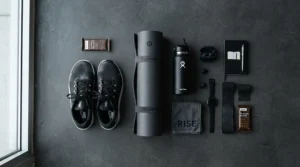
The best fitness accessories are the ones you actually use. A band, a decent water bottle, a towel, and perhaps a spare strap cover most needs. Piling on gadgets creates clutter, not progress.
Consider layering by purpose. A band covers all-day tracking and sleep. A chest strap adds precision if heart-rate zones matter to you. A notebook or app logs lifts. Each tool should solve one problem, and your silicone bracelet for gym workouts should sit comfortably alongside the others.
If you’re building from scratch, start with the band, then add pieces only when a real limitation shows up. That approach keeps spending sensible and stops the bag from becoming a museum of unused gadgets.
Practical Usage Guide: Set Up, Wear, and Maintain Your Band
Getting more from a band is mostly about habits. Use this guide for your first 30 days.
Setup:
- Update firmware and the companion app before your first workout.
- Enter accurate height, weight, and age so calorie and zone estimates make sense.
- Choose the wrist deliberately, ideally the non-dominant one.
First-use tips:
- Wear it snug for the first week to learn what fit gives clean readings.
- Start with a few workout modes rather than all of them.
- Compare your resting heart rate morning to morning, not session to session.
Maintenance schedule:
- After each workout: rinse and pat dry.
- Weekly: wash with mild soap and let the strap air-dry.
- Monthly: remove the strap, check for cracks, and clean beneath it.
Common mistakes in the first 30 days: wearing it too tight, never cleaning under the band, trusting calorie numbers too literally, and ignoring skin warnings. Guides on strap hygiene suggest washing it after each workout to remove sweat, salt, and bacteria that contribute to irritation. Treat your band like a gym towel: it needs regular cleaning, or it gets unpleasant.
Real-World Scenarios: Which Band for Which Lifter?
The budget-conscious college lifter. Four days a week, a modest budget, and no appetite for subscriptions. The Xiaomi Smart Band 10 fits: long battery, bright screen, and no recurring fees. Charge it on a Sunday and forget about it.
The treadmill-heavy cardio mixer. Three cardio days plus two lifting days, using gym machines with Bluetooth. The Fitbit Charge 6 suits this pattern, since reviewers highlight its heart-rate broadcast to compatible machines and its built-in GPS for the occasional outdoor run.
The recovery-obsessed powerlifter. Training heavy, sleeping carefully, and wanting readiness feedback without a screen. The WHOOP 5.0 matches that mindset, as long as you accept the membership. If you’d rather avoid fees, the Garmin vívoactive 5 offers readiness-style metrics without a subscription.
The minimalist who hates fuss. One band, little maintenance, indoor training. The Amazfit Band 7 keeps weight and complexity low, with a screen that’s easy to read.
Problem and Solution Guide: Common Gym Band Headaches
Problem 1: Skin irritation. Some wearers react to silicone, dyes, or trapped sweat. Dermatology-backed guidance in Livestrong’s roundup for sensitive skin points to lightweight, sweat-resistant straps and breathable cloth alternatives. Solution: rotate straps, clean daily, loosen the fit, and try a woven nylon band if redness persists.
Problem 2: Inaccurate heart rate during lifts. Wrist flexion and muscle tension confuse optical sensors. Solution: tighten slightly for sets, then loosen between them, or pair the band with a chest strap for precision.
Problem 3: The strap slides. Sweat reduces friction. Solution: wear it a finger-width above the wrist bone and choose a strap with a secure closure.
Problem 4: Odour and grime. Salt and bacteria linger on silicone. Solution: wash with mild soap after sessions and dry thoroughly.
Problem 5: Short battery life. Always-on displays and constant sensors drain faster than spec sheets promise. Solution: switch off the always-on display, trim notifications, and charge on a rest day.
Price Range and Value: What You Actually Pay Over Two Years
Sticker price isn’t total cost. Subscriptions, spare straps, and replacements all add up. Here’s the rough picture, using ranges only, so check current pricing before buying.
| Product | Upfront range | Ongoing cost | Two-year value note | Best For |
|---|---|---|---|---|
| Xiaomi Smart Band 10 | Under $70 | None | Cheapest to own | Budget buyers |
| Amazfit Band 7 | Around $50 | None | Very low cost | Minimalists |
| Fitbit Inspire 3 | $80-$100 | Optional Premium | Low if you skip Premium | Beginners |
| Fitbit Charge 6 | $100-$160 | Optional Premium | Moderate with Premium | All-rounders |
| Garmin vivosmart 5 | $120-$150 | None | Predictable | Garmin fans |
| Garmin vívoactive 5 | $250-$300 | None | Higher upfront, steady | Data seekers |
| WHOOP 5.0 | Membership-based | Ongoing | Highest long-term | Serious athletes |
The pattern is clear. The WHOOP 5.0 costs the most over time but offers the most coaching, while the Xiaomi Smart Band 10 and Amazfit Band 7 keep spending lowest. The Garmin vívoactive 5 is the sweet spot if you value depth and hate recurring bills.
FAQ: Silicone Bracelet for Gym Workouts
❓ Is a silicone bracelet for gym workouts safe for sensitive skin?
❓ Can I swim or shower with a sweatproof gym bracelet?
❓ How tight should a flexible workout accessory be on my wrist?
❓ How often should I clean a durable silicone fitness band?
❓ Is a fitness tracker band accurate enough for weightlifting gear tracking?
Conclusion: Pick the Band That Matches Your Training, Not Your Ego
A silicone bracelet for gym workouts should do three things: survive your sweat, stay out of your way, and give you data you’ll actually use. The seven options here cover the main routes. The Xiaomi Smart Band 10 and Amazfit Band 7 keep costs low, the Fitbit Inspire 3 and Fitbit Charge 6 cover beginners and all-rounders, the Garmin vivosmart 5 and Garmin vívoactive 5 skip subscriptions, and the WHOOP 5.0 serves recovery-focused lifters.
Remember the practical rules. Verify ratings, clean the strap, fit it sensibly, and treat wrist heart rate as a trend. If your skin complains, try a different strap rather than powering through. Everything in this guide rests on published specs and aggregated reviews, not personal testing, so check current details before you buy.
Recommended for You
- Acrylic Bracelet Under $20: 7 Stunning Picks For 2026
- Wood Bracelet For Teen Boys: 7 Best Picks In 2026
- Coconut Shell Bracelet For Sustainable Fashion: 7 Best Picks 2026
Disclaimer: This article contains affiliate links. As an Amazon Associate, I earn from qualifying purchases. If you purchase products through these links, we may earn a small commission at no additional cost to you.
✨ Found this helpful? Share it with your friends! 💬🤗
